28 Simple Balayage on Dark Hair 2027 for a Subtle Glow
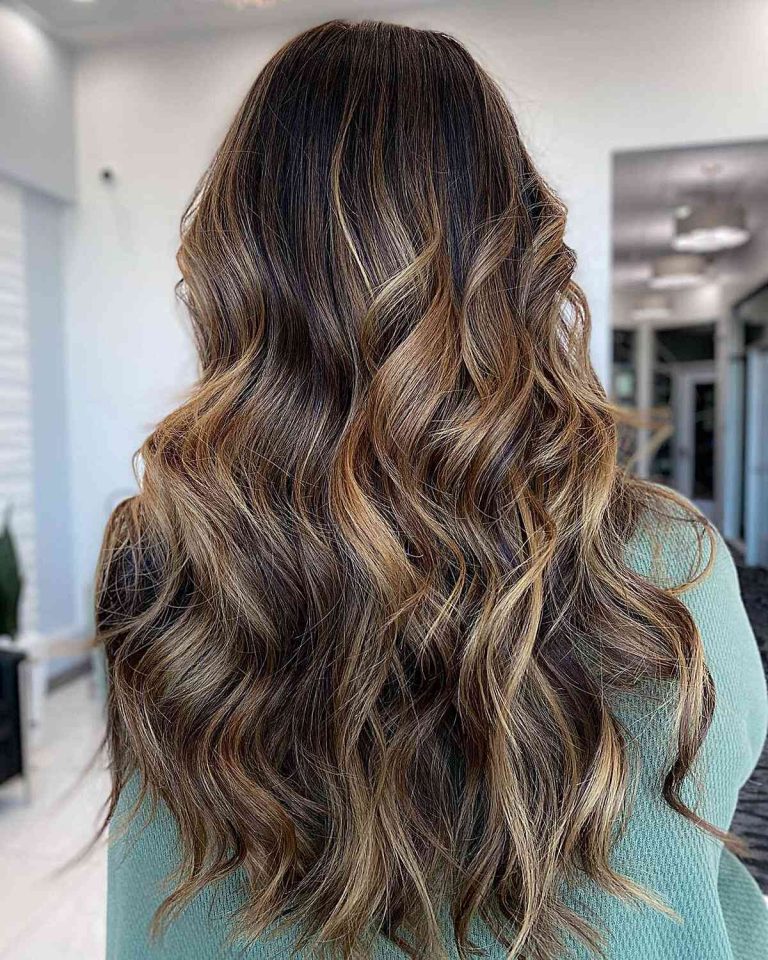
Simple Balayage on Dark Hair 2027 featuring subtle caramel or ash blonde tones for a sun-kissed glow. See 28 easy hair color ideas to enhance your dark locks.

You want dimension without a hard grow-out line, and you have dark hair. That means the stylist paints lighter strands freehand, starting lower down, so your roots stay natural for months. It is a low-commitment way to add depth and light.
Which is why Simple Balayage on Dark Hair 2027 fills so many saved boards. The 28 examples here cover every balance of tone and texture, from caramel to ash, wavy to straight, fine to thick. If you have been stuck between wanting a change and dreading the upkeep, this collection gives you real options.
Caramel balayage strands on dark brown wavy layers
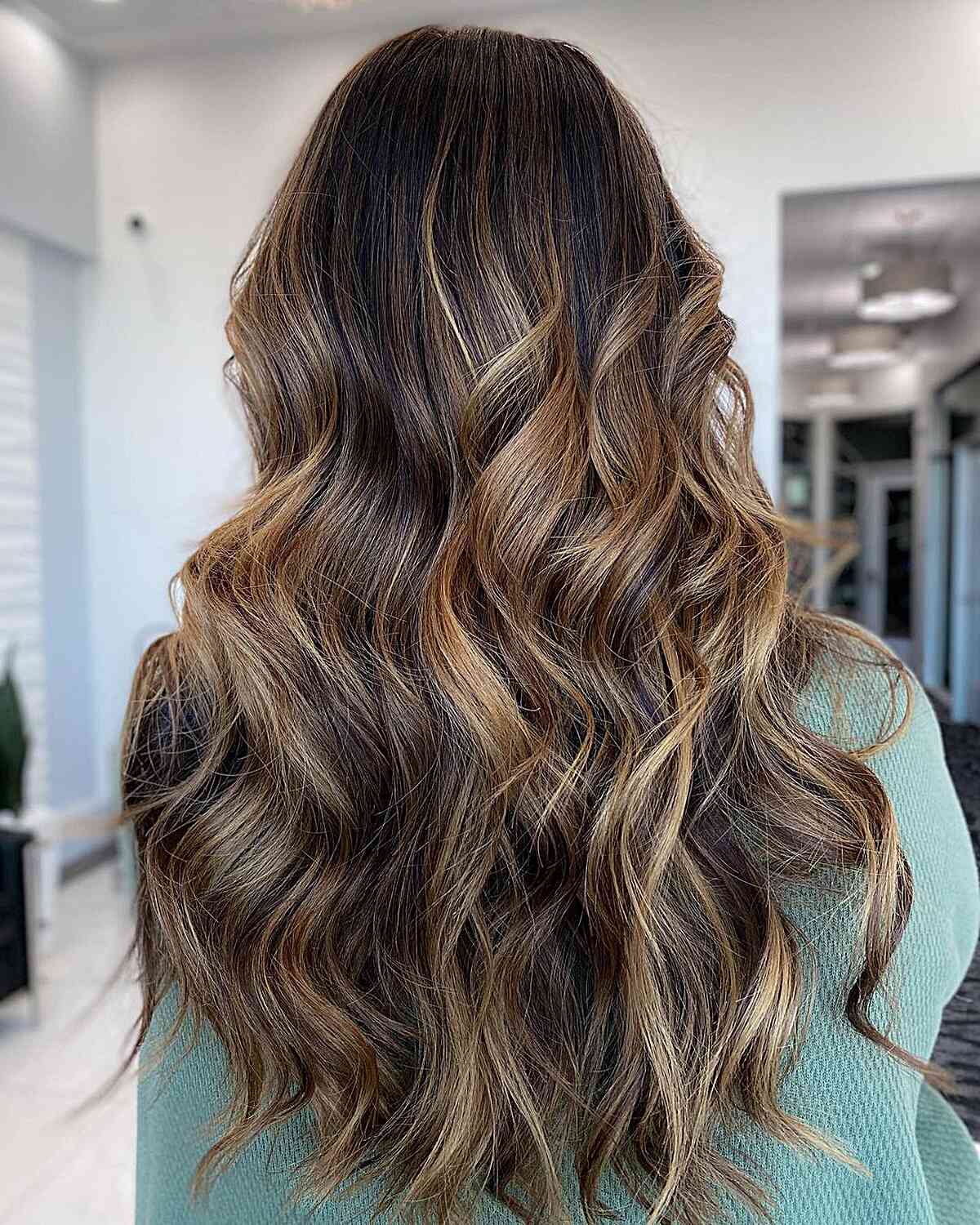
Dark brown base meets caramel balayage strands that run through wavy, thick layers. The middle part lets the color fall evenly on both sides, while the blowout adds lift at the roots and soft bend through the ends. This works best on hair that starts at shoulder length or longer and holds a wave naturally. Skip it if your texture is very fine and won’t keep the shape past lunch. Tell your colorist: dark brown base with caramel balayage, long wavy layers. A trim every six to eight weeks keeps the layers from looking stringy.
Soft, flowing look from caramel balayage on dark hair
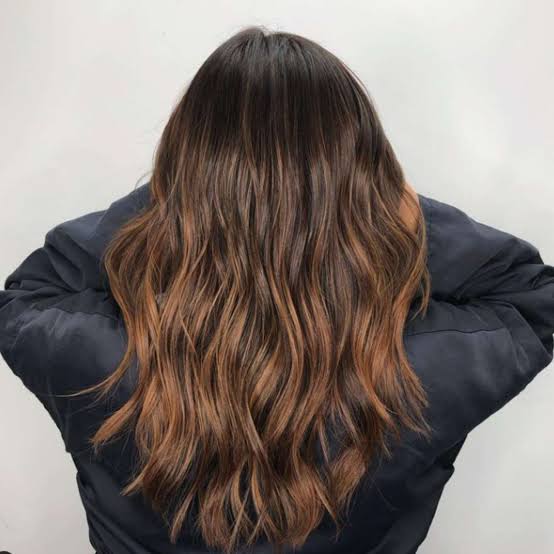
Consider this the quieter cousin of the first look. Where section one relies on visible strands, this one blends caramel through the ends for a softer finish. The wavy, thick texture and layered cut create a flowing shape that moves with a rough dry or a quick blowout. It suits thick hair at least collarbone length. This look requires a dramatic color change or straight hair that won’t catch the blend.
Lighter blonde balayage on dark brown waves
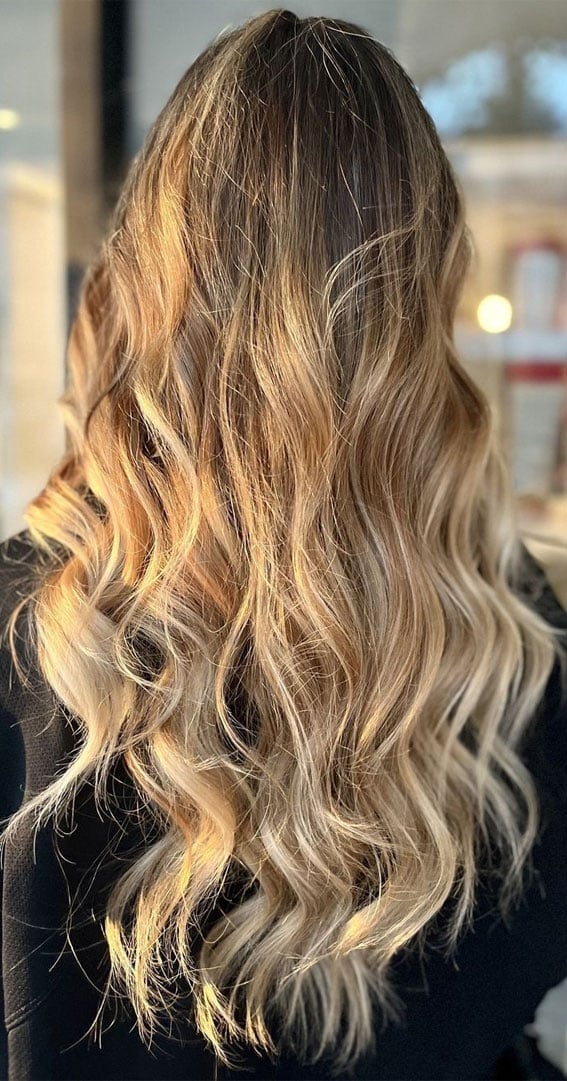
How do you get a lighter effect without sitting on the beach all summer? This dark brown base with blonde balayage does it in a single salon visit. The lighter pieces are placed to hit the tops of the waves, so the color looks like it arrived naturally. It works on thick, wavy hair at least collarbone length. Pass when your hair is very fine or you prefer a monotone color. A texturizing spray helps the waves hold their shape, and the blonde pieces might need a toner if they turn brassy.
Ash blonde face-framing balayage on dark brown waves
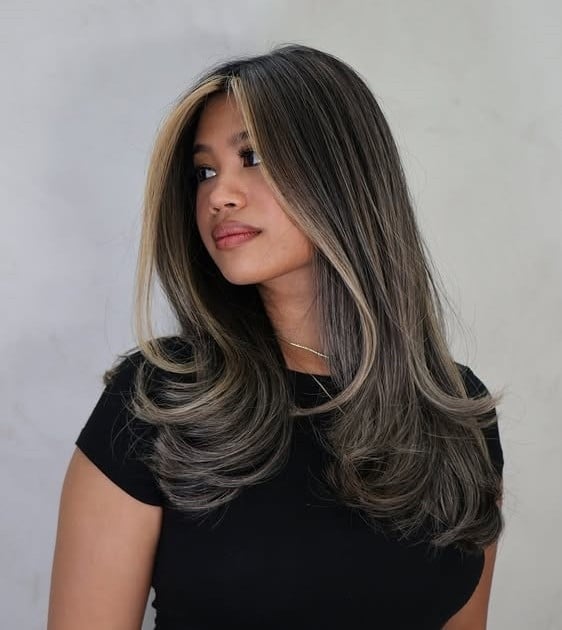
Two things make this design work: the ash tone that cools down the dark brown base, and the placement that concentrates lighter pieces through the mid-lengths. The soft, dimensional effect suits round and oval face shapes. Ask your colorist for: dark brown with ash blonde face-framing balayage. A middle part shows off the placement best.
Ash blonde balayage on dark brown straight hair
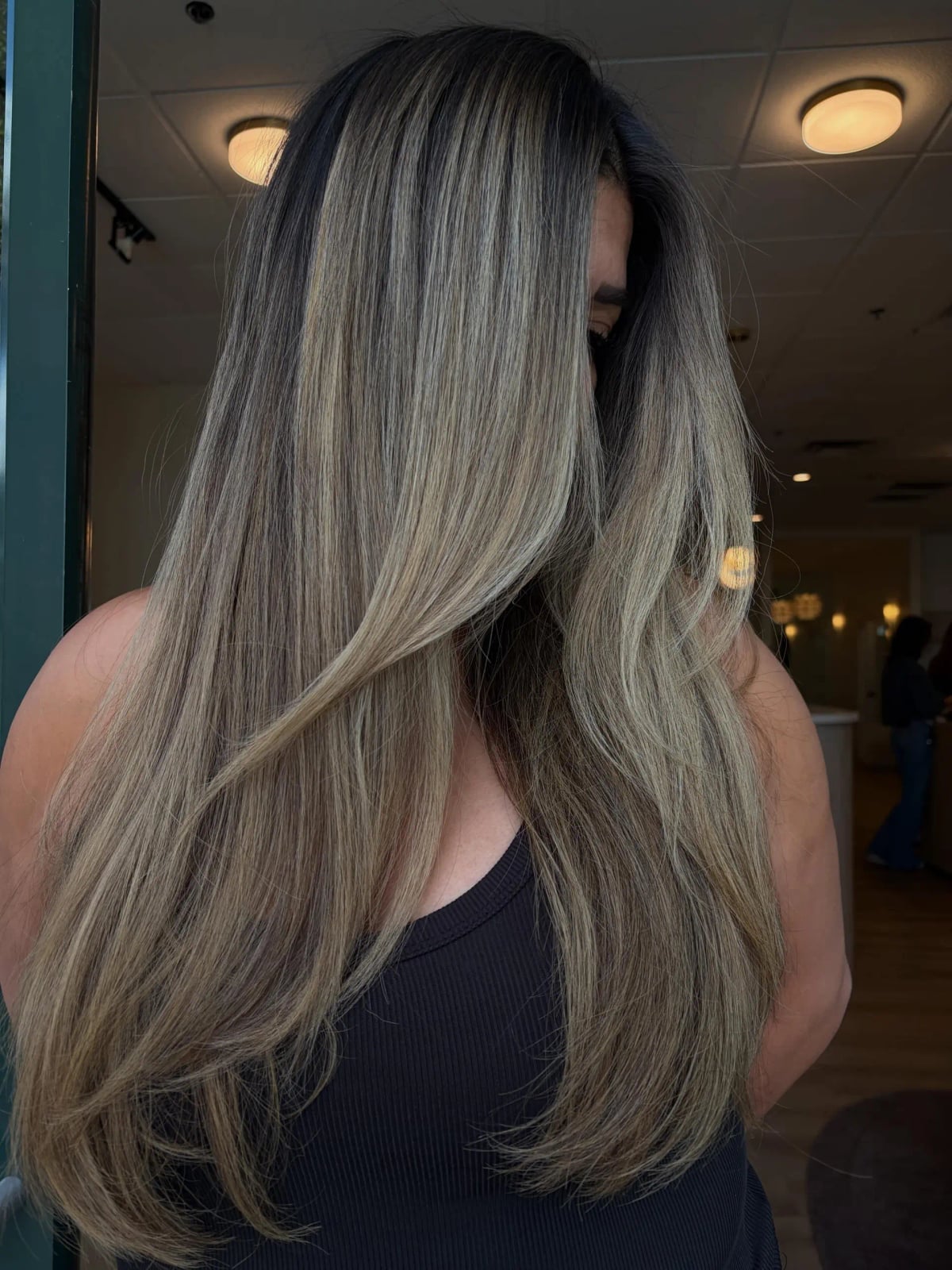
Straight hair shows balayage differently than wavy textures. This dark brown base with ash blonde balayage relies on long layers and a smooth blowout to display the color shift. The side parting adds volume at the crown, which helps the lighter pieces read clearly against the darker lengths. It suits thick, straight hair at least collarbone length. Skip it if you prefer wavy texture or have naturally coily hair. Trim every six to eight weeks.
Dimension and warmth from caramel balayage highlights
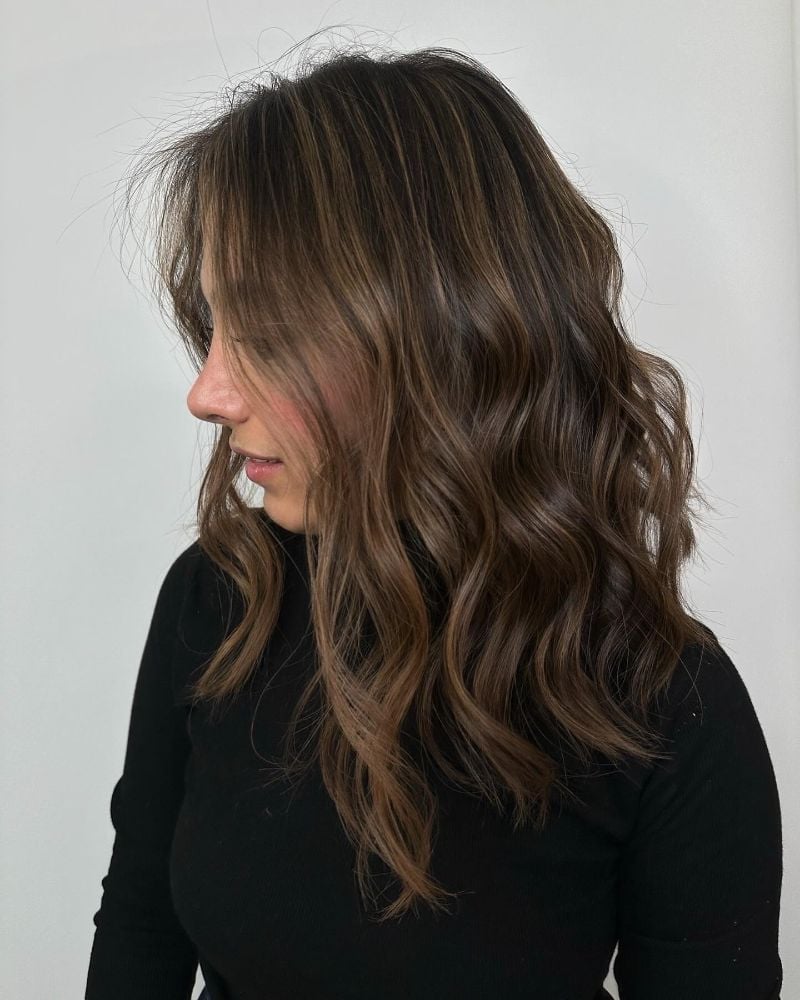
Dark brown base meets caramel balayage in a side-parted, layered cut. The freehand technique places the lighter pieces where waves naturally bend, so the warmth shows in the curve of each wave, not in a straight line. Thick, wavy hair at least collarbone length carries this design best.
Contrasting blonde balayage on dark brown waves
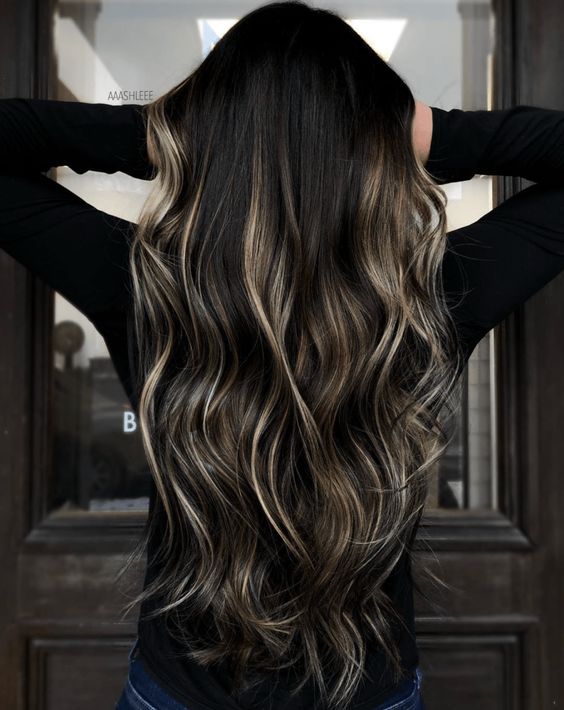
Set this against a caramel balayage: where caramel melts into the base, this one keeps a visible separation. The blonde pieces sit on the surface of thick, wavy hair, creating a deliberate contrast that looks planned, not grown out. Skip it if you prefer a very subtle or monotone look.
When you want dimension without harsh lines
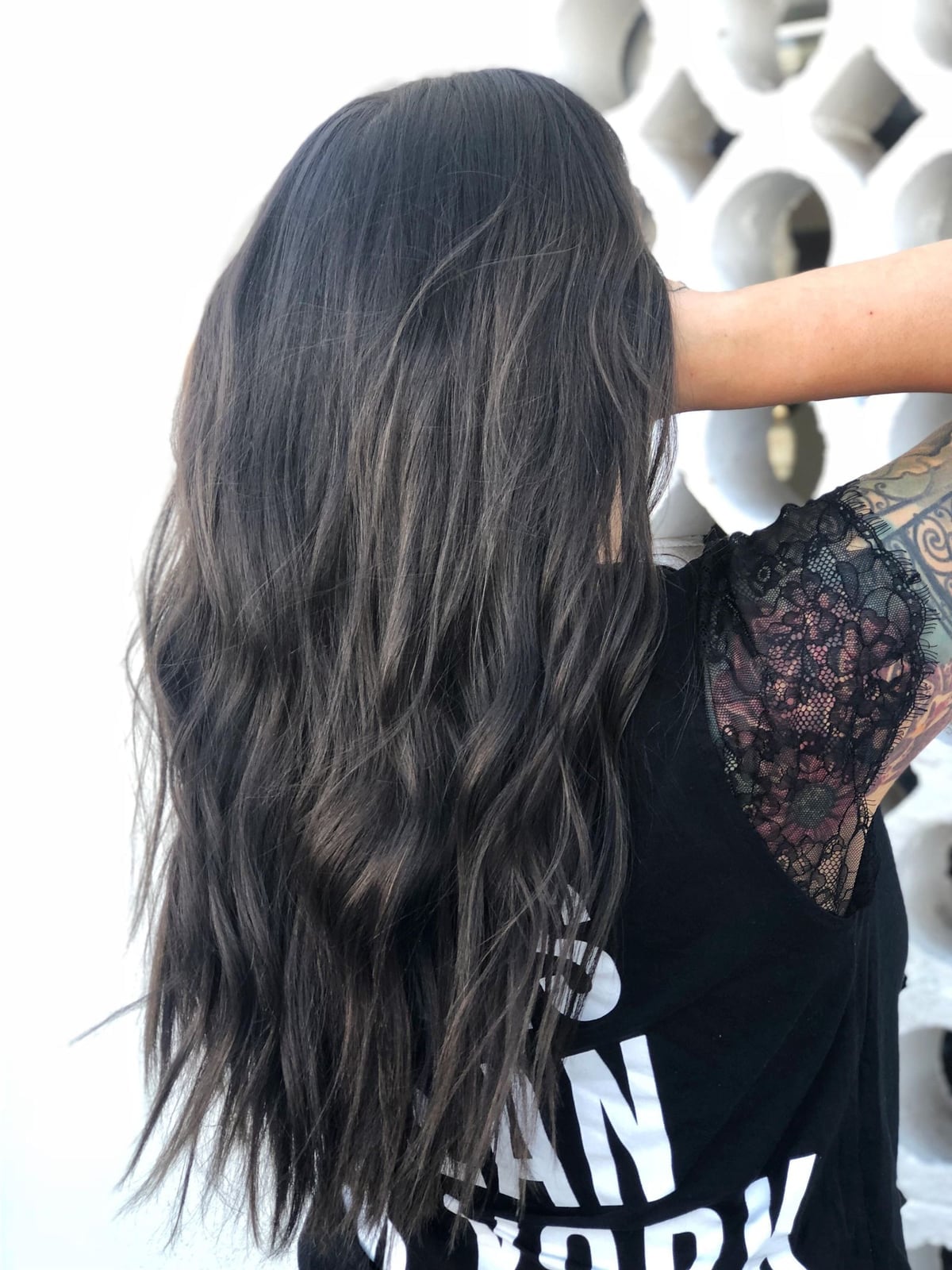
Fine, wavy hair often looks flat with a solid color. The ash blonde balayage here is painted with a soft hand, so the transition from dark brown base to lighter ends has no visible border. The side part and air-dried texture keep the finish relaxed.
Ash blonde balayage for simple, dimensional hair
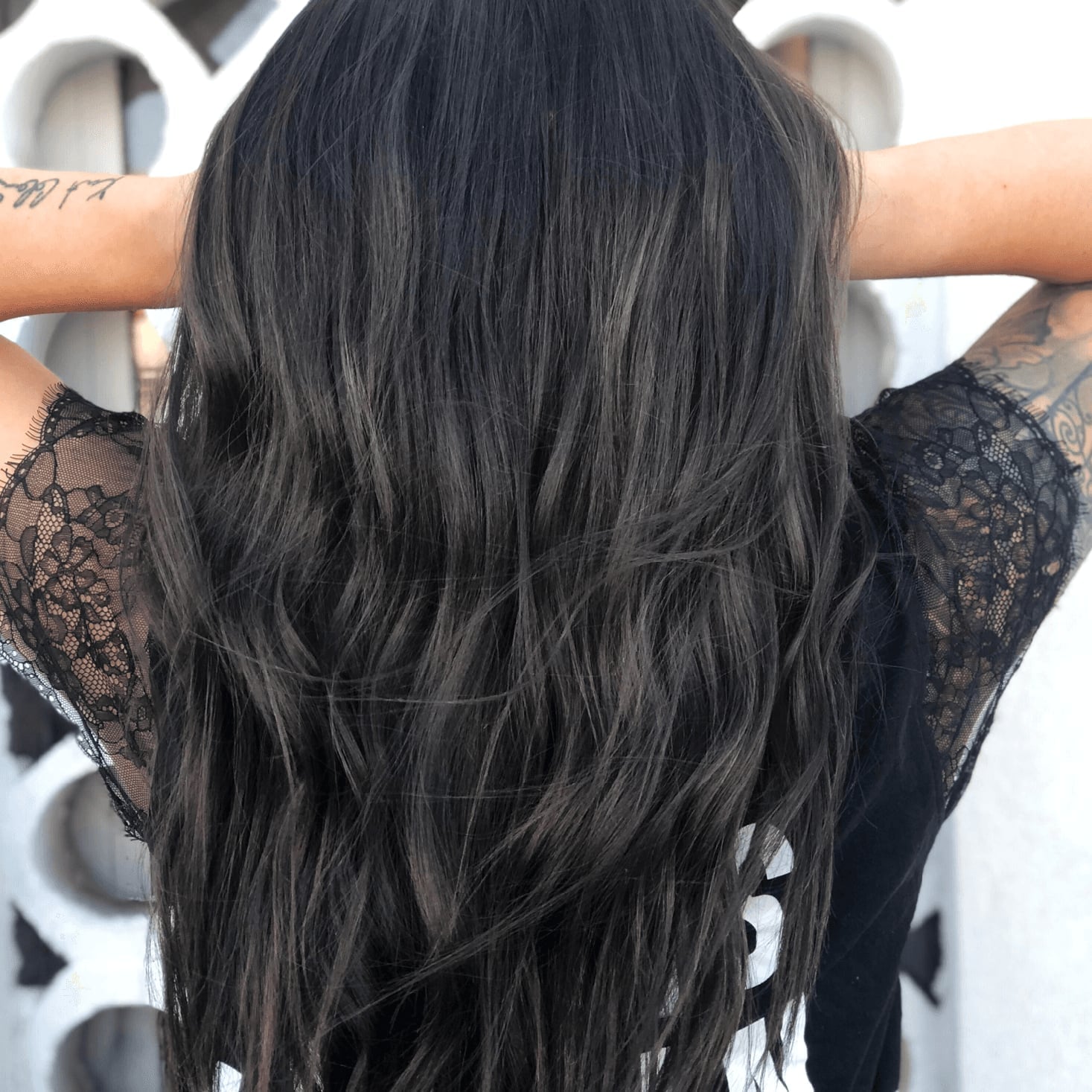
Ash blonde highlights concentrate on the mid-lengths and ends of thick, wavy hair, leaving the dark brown base intact near the roots. The freehand application creates a soft color transition that avoids a harsh line.
A natural-looking blend for wavy styles
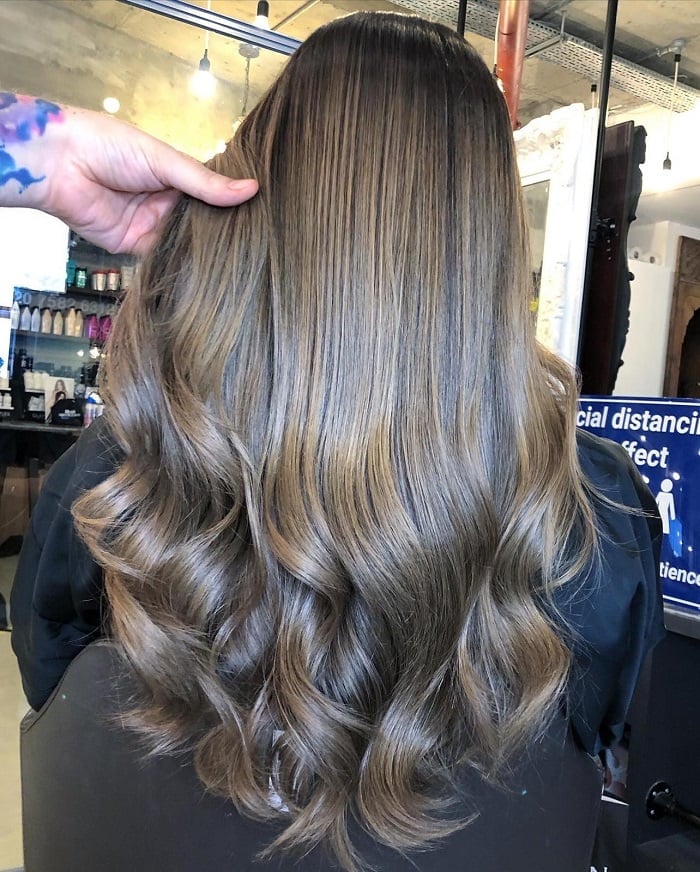
How do you ask for this specific finish? The words for the chair: dark brown base with natural ash blonde balayage. The freehand technique creates a natural-looking blend that starts subtly and builds toward the ends. Thick, straight hair styled in loose waves showcases the dimension of the highlights.
Caramel balayage transition for dimensional hair
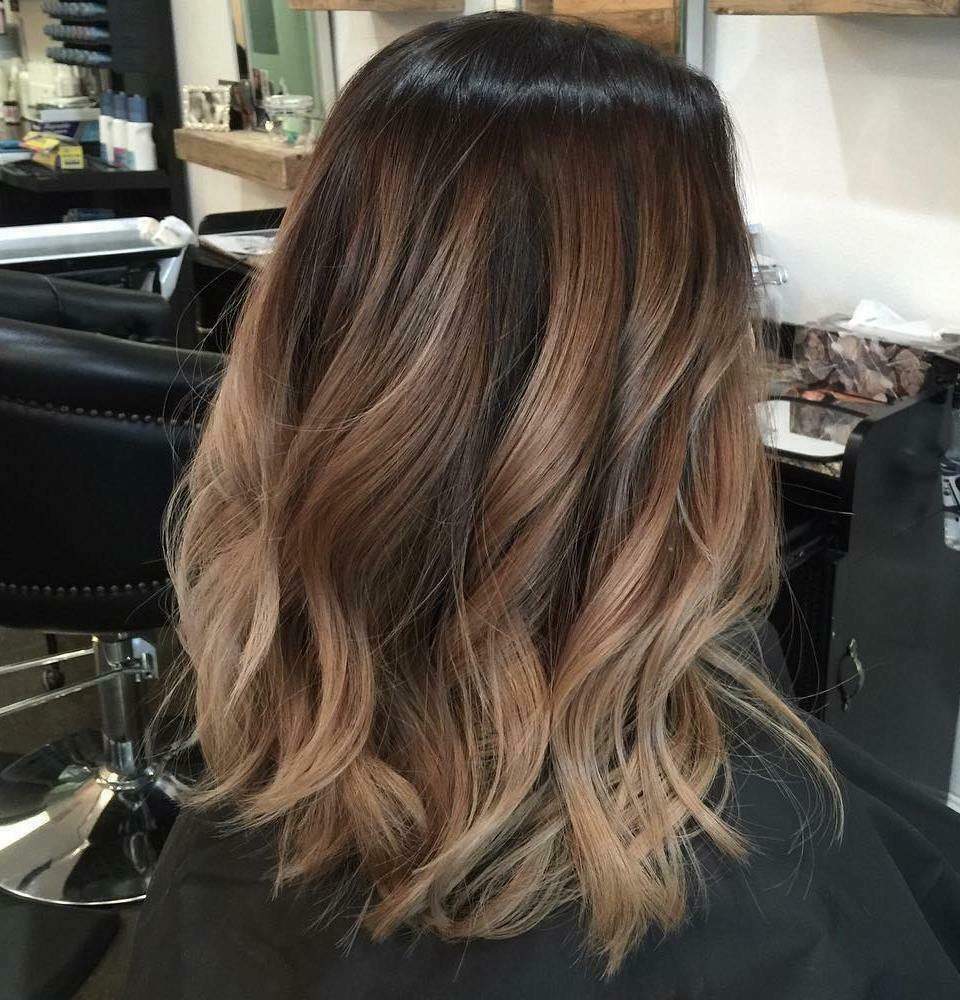
Dark brown base meets caramel balayage in a transition that starts below the ears and builds toward the ends. The middle parting and blowout let the lighter strands look deliberate, not accidental. Thick, wavy texture at collarbone length or longer carries the smooth blend best. Highlights closer to the root or straight hair that won’t hold wave structure are not ideal for this look. Ask your colorist for: dark brown base with caramel balayage transition.
Lighter blonde balayage on fine, straight hair
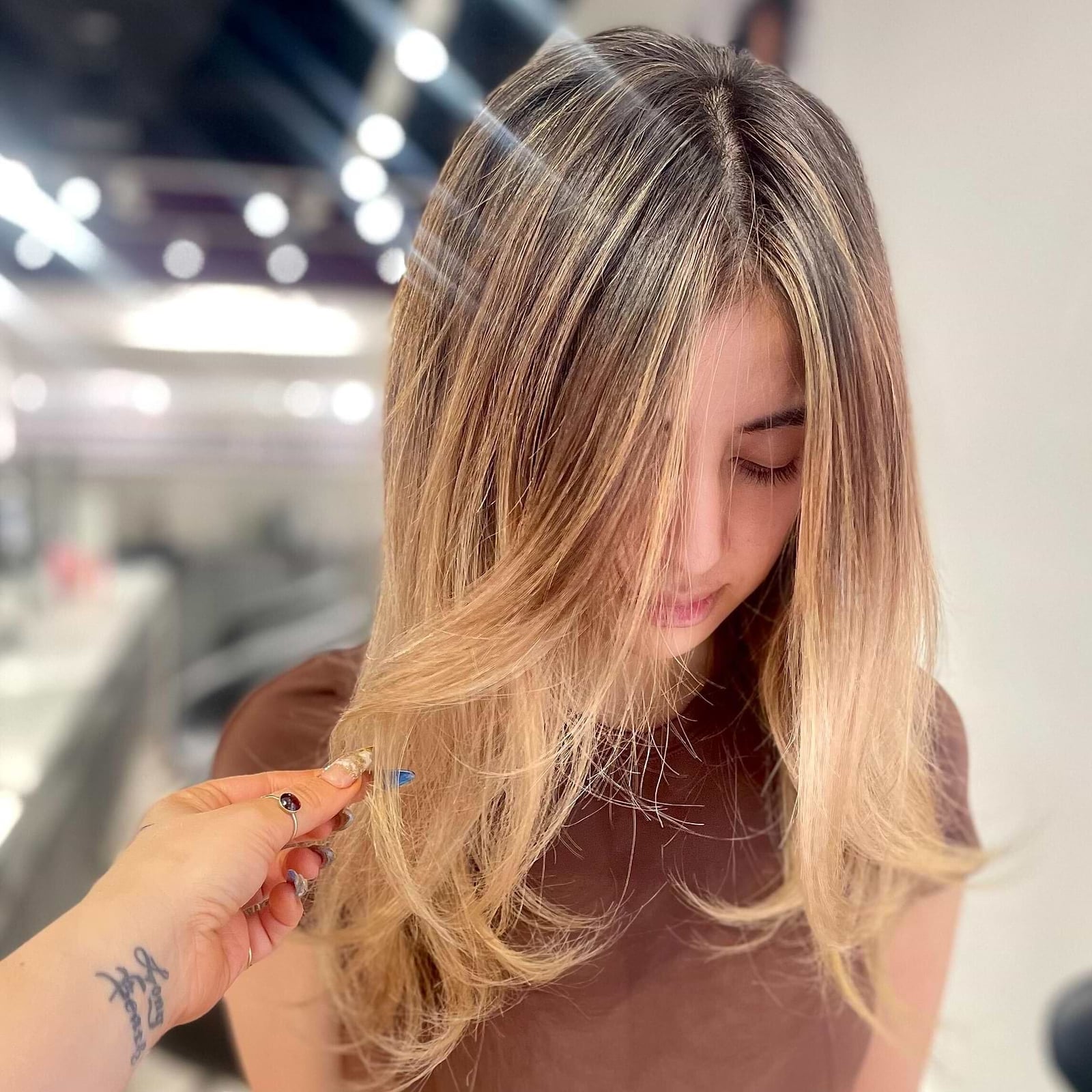
Fine, straight hair shows every color line, so the soft transition from dark base to blonde balayage matters here. The middle parting and air-dried finish keep the lighter effect natural rather than painted on. This version lets the base stay visible through the roots while the lighter pieces land on the mid-lengths and ends. Not for thick or wavy textures that would swallow the fine strokes.
Caramel balayage highlights on dark brown waves
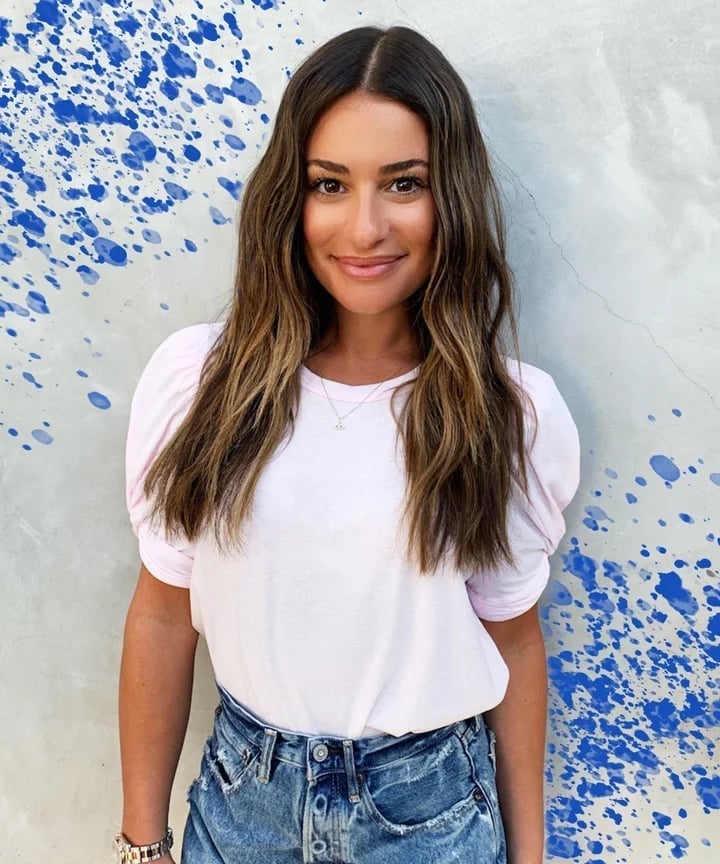
Caramel balayage on dark brown waves keeps the warmth where the light hits the curve of each wave. The layered cut lets the lighter strands fall evenly on both sides. Thick, wavy texture at collarbone length or longer carries the dimension without needing a full highlight. It works best with a warm tone and wavy texture. Tell your colorist: dark brown base with natural caramel balayage, layered cut.
Caramel balayage highlights for dimensional waves, wavy
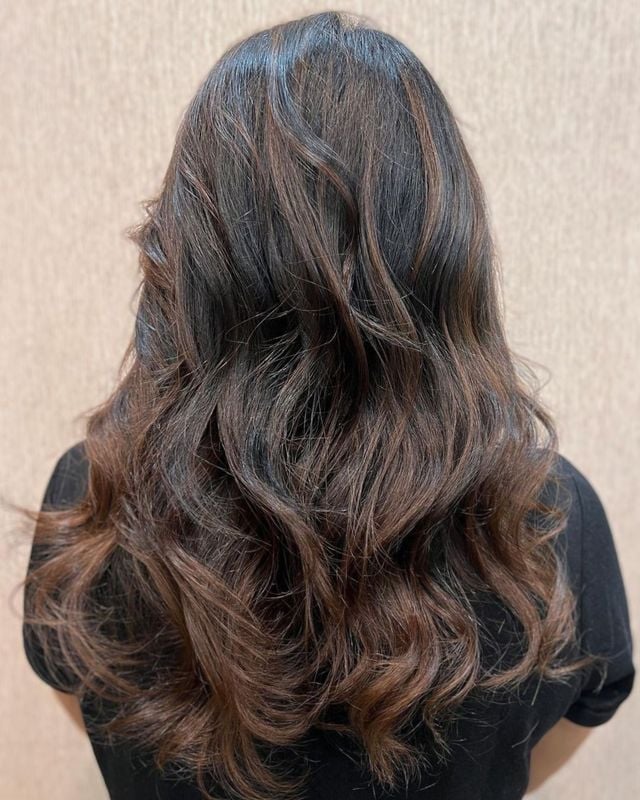
Dark brown base with subtle caramel balayage looks dimensional when the waves curve around each lighter strand. The back view shows the color concentrated through the mid-lengths, leaving the root area dark. Thick, wavy hair at least collarbone length carries this blend best. Skip it if you have straight hair or prefer a bolder contrast. A texturizing spray after washing defines the waves without weighing them down.
Caramel balayage strands for a lighter look
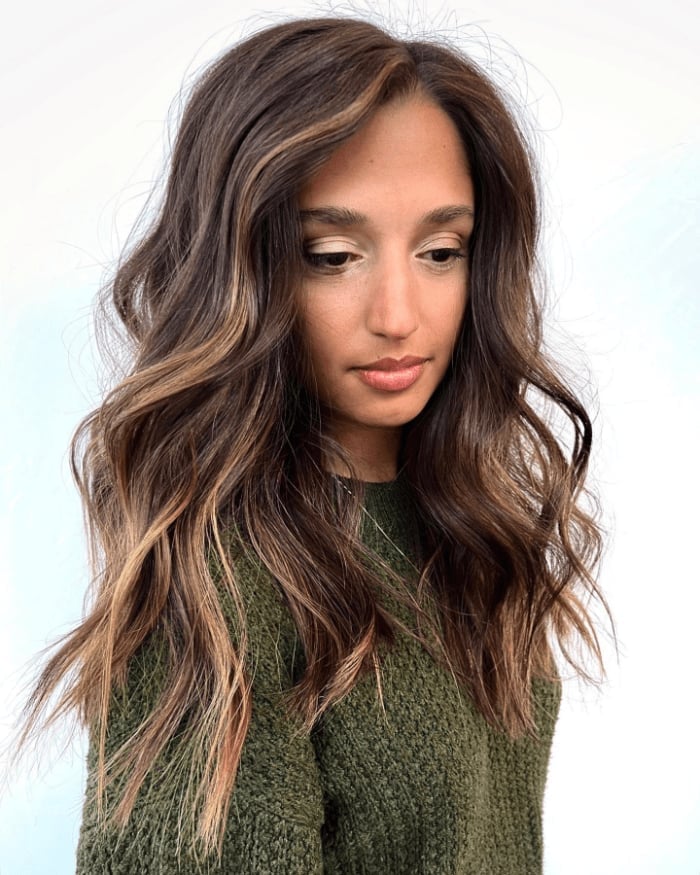
Side part and layered cut set the structure. Dark brown with caramel balayage, painted freehand through the mid-lengths, creates a lighter effect that looks deliberate, not accidental. Thick, wavy texture at least collarbone length keeps the warmth visible through each wave. This style requires subtle blending skill.
Ash blonde balayage strands on layered dark hair
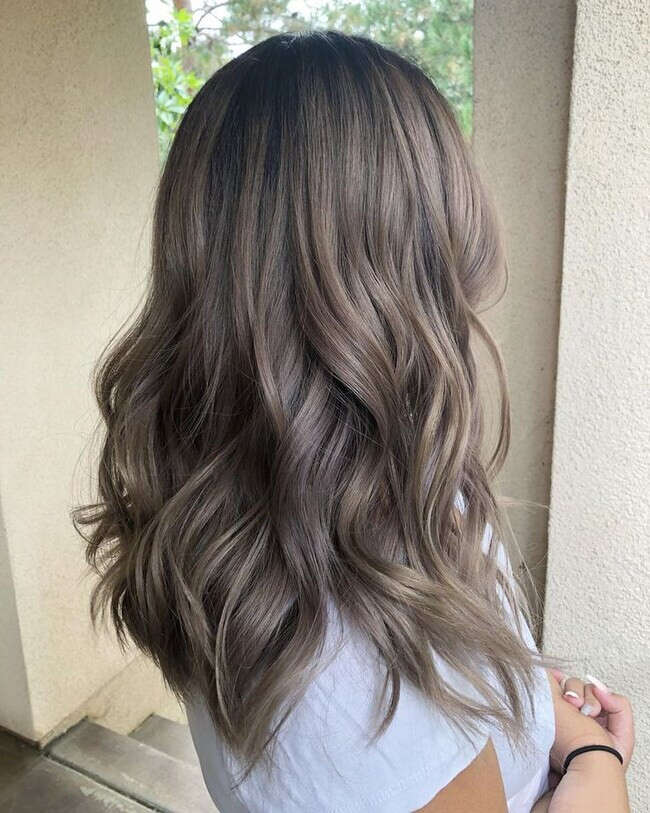
Middle part and blowout show the contrast clearly. Dark brown base with ash blonde balayage, blended from mid-lengths to ends, keeps the root intact while the cooler tone works through the layers. Thick, wavy texture at least collarbone length carries the dimension without the ash looking muddy. Skip it if warmer tones suit your preference better. Tell your colorist: dark brown base with ash blonde balayage, layered cut.
Natural-looking balayage blend on dark waves, thick
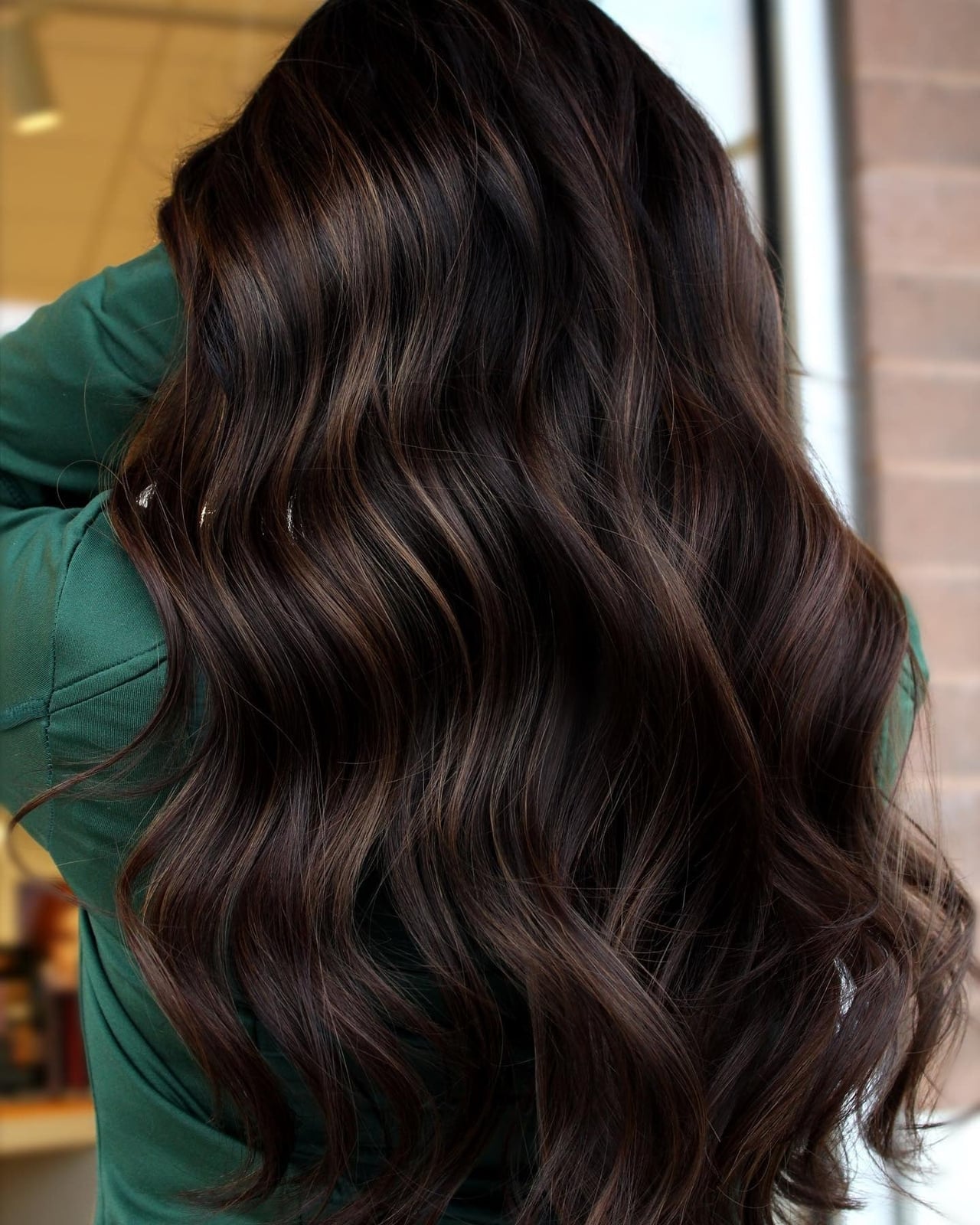
Caramel balayage on a dark brown base looks natural when the blend starts below the ears and the tone stays warm, not brassy. Soft waves pull the caramel forward without a hard line. Thick hair at collarbone length or longer carries the transition best. The words for the chair: dark brown base with subtle caramel balayage blend. Skip it if your hair is straight, the seamlessness depends on texture. Air dry with a cream and call it done.
Caramel balayage strands for a lighter effect, wavy
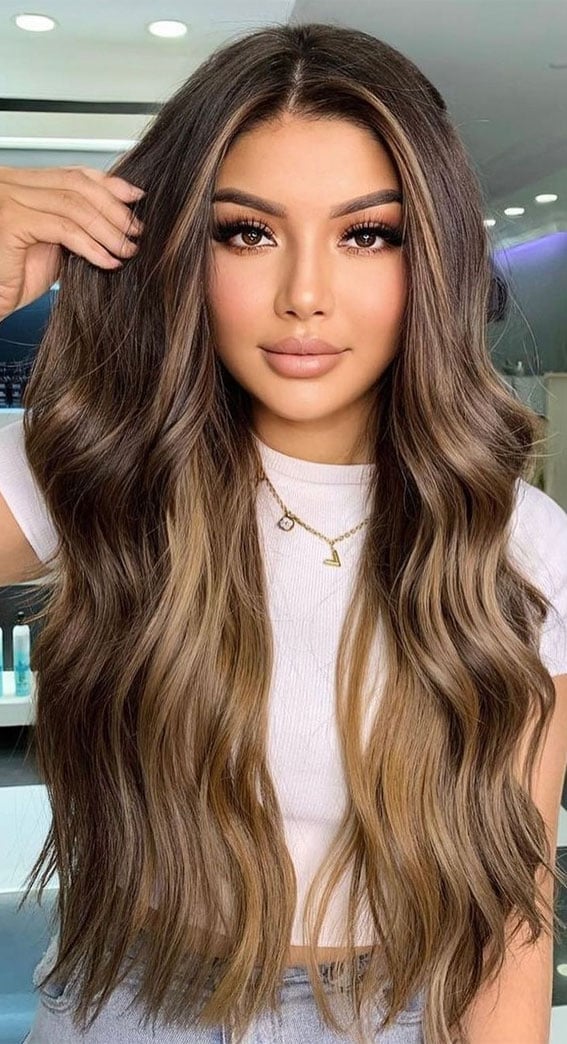
Caramel on dark brown works hardest when the strands stay fine and the base stays visible. The middle parting splits the warmth evenly across both sides. This version fades gently and grows out softly. Caramel needs warmth to create a lighter effect. Thick, wavy hair at collarbone length carries the effect naturally. A round brush and a blow-dryer define the wave pattern.
Ash blonde balayage strands for natural dimension
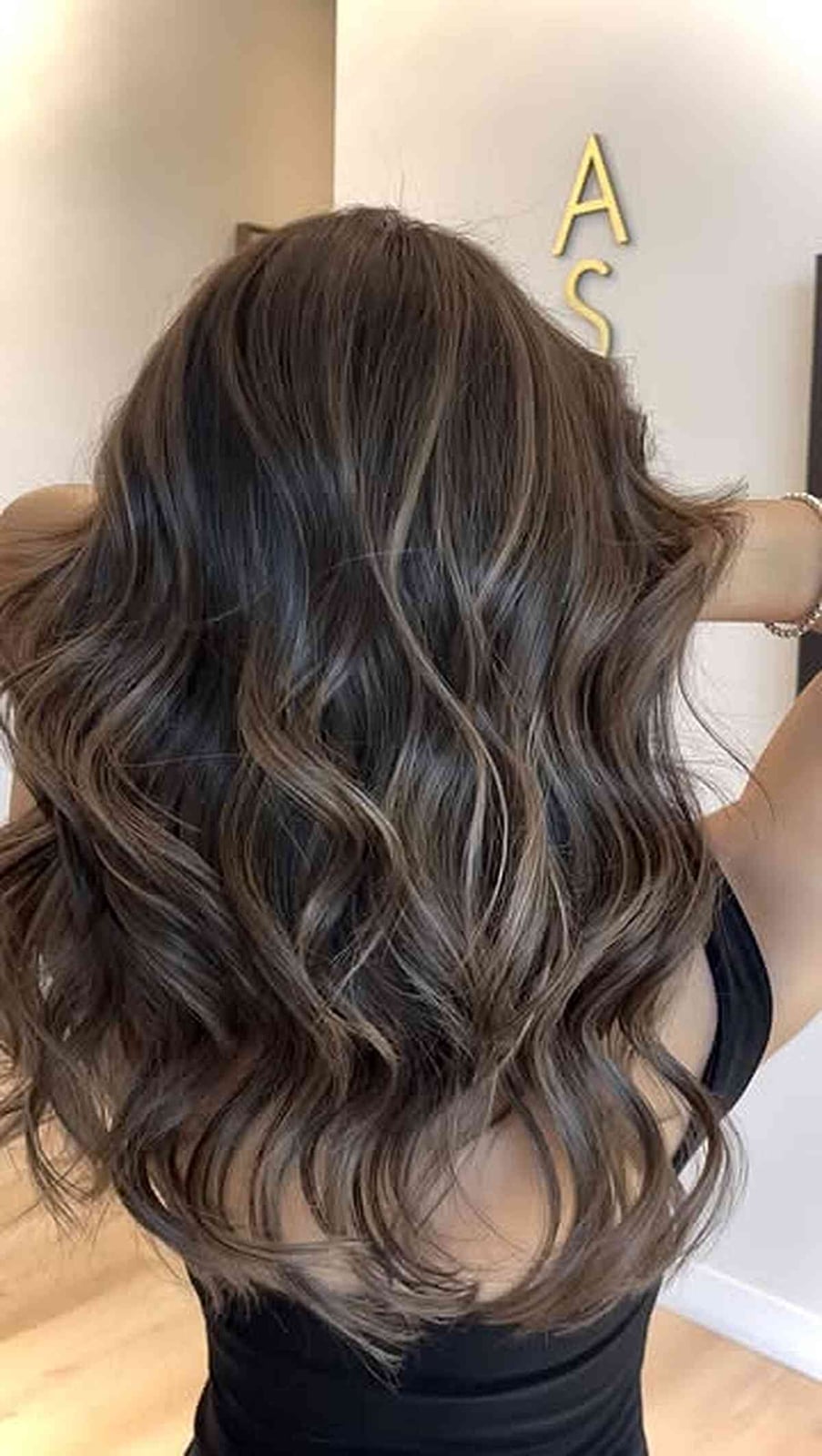
Blended strokes from mid-length to end build dimension without a stripe in sight. The dark brown base grounds the ash tone so it never washes the hair out. Thick, wavy texture helps the soft strokes look natural movement. Tell your colorist: dark brown base with ash blonde balayage. Straight hair risks a flat result; the wave pattern is what gives the color depth. A texturizing spray refreshes the shape between trims.
Deep red balayage on dark brown hair
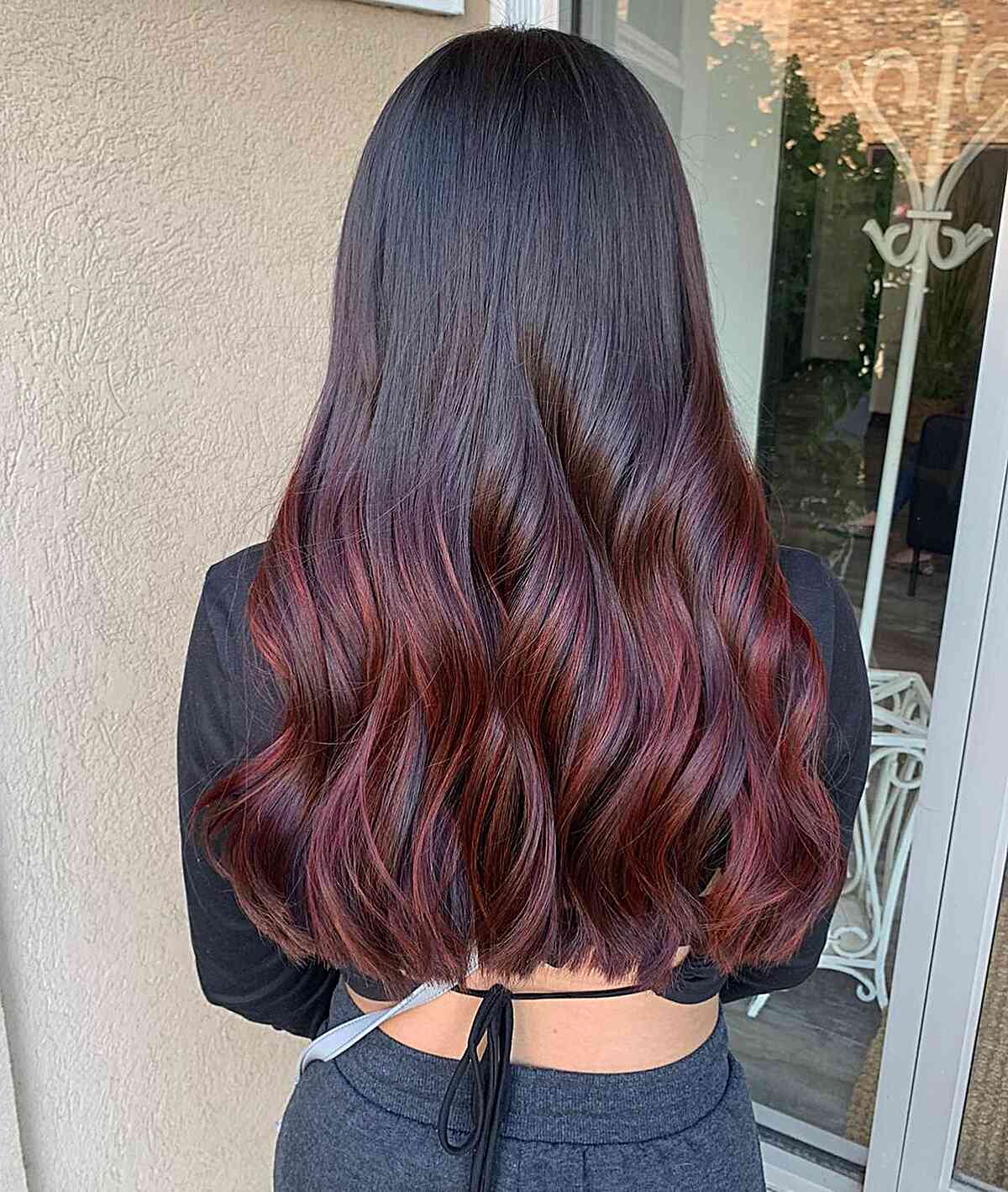
Deep red balayage sits closer to the base than caramel or ash, so the transition is subtle rather than stark. The dark brown ground keeps the red from going neon. Thick, straight hair at collarbone length shows the color shift cleanly. Skip it if you want a low-visibility grow-out; red fades faster than blonde. Color-safe shampoo extends the tone by a few weeks.
Light blue balayage on dark brown curly hair
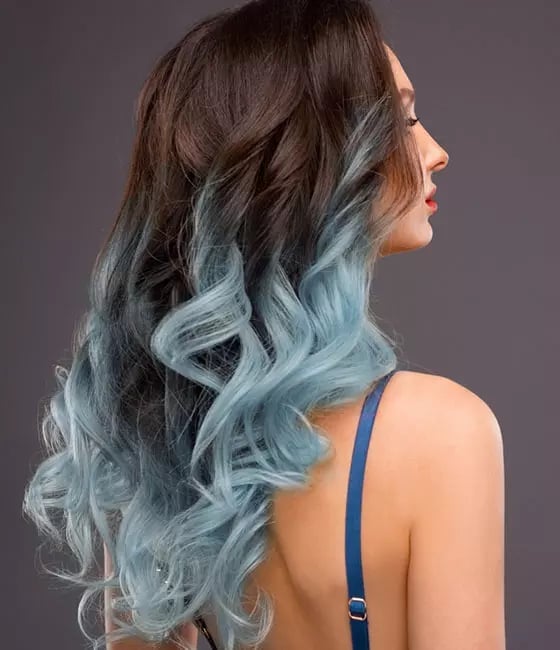
Blue ends require a commitment the warmer tones do not. The dark brown base keeps the root natural while the light blue balayage runs through loose, voluminous curls, creating a deliberate contrast. Thick, curly hair at least collarbone length carries the separation cleanly. Natural tones or straight hair that does not hold curl structure are not ideal for this look. A curl-defining cream after washing maintains the shape between trims.
Face-framing blonde highlights on dark brown waves, close-up take
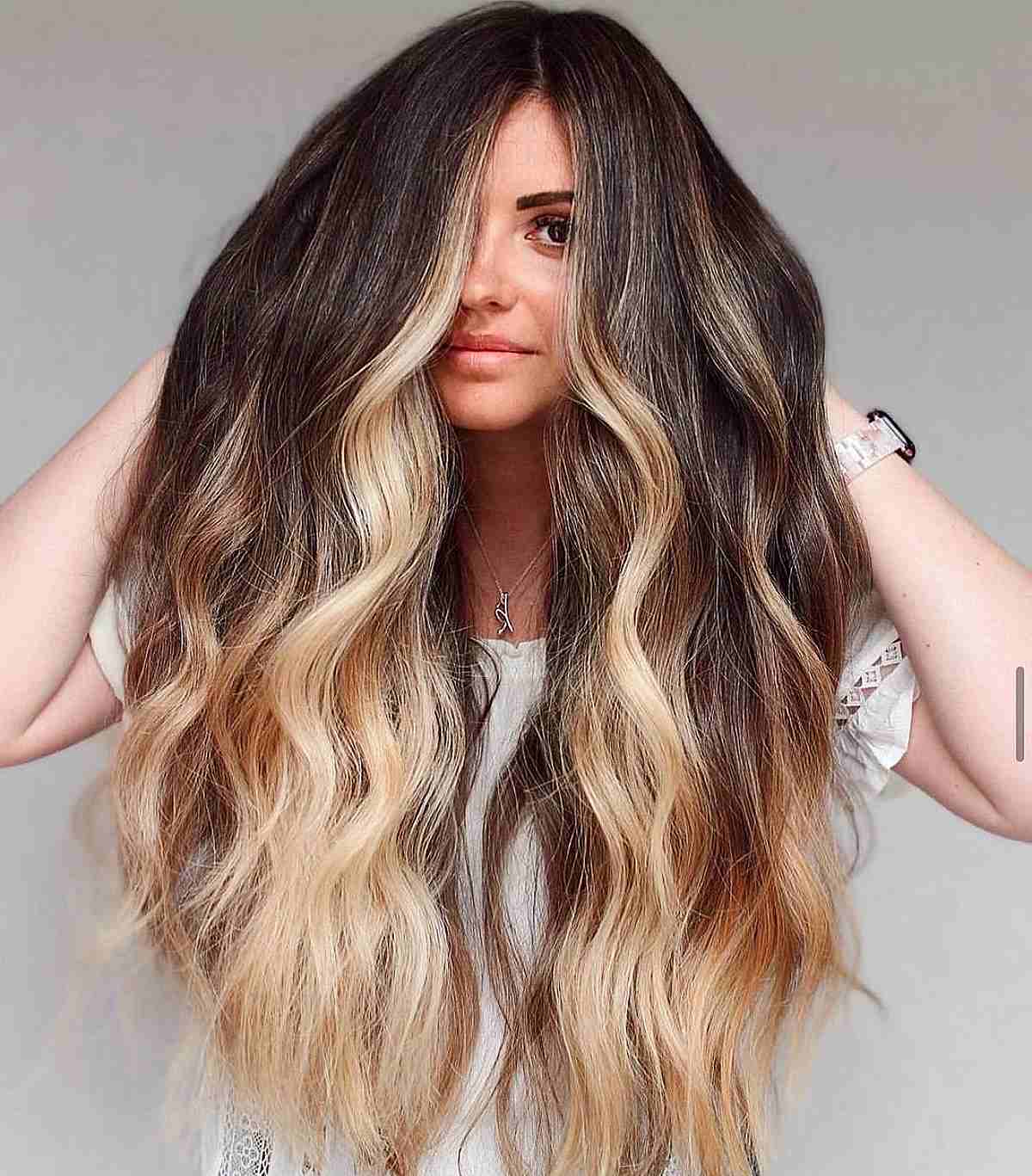
A balayage that spreads the light color everywhere: the face-framing version keeps the lighter pieces where they matter most. Dark brown base with blonde highlights placed around the face, painted freehand through the front sections, creates a lighter effect without lifting the whole head. Thick, wavy hair at least collarbone length carries the contrast cleanly. Highlights scattered through the ends only or straight hair that will not hold the wave are not ideal for this style. Tell your colorist: dark brown base with face-framing blonde highlights. A middle part splits the lighter strands evenly on both sides.
Ash blonde balayage contrast on dark brown waves
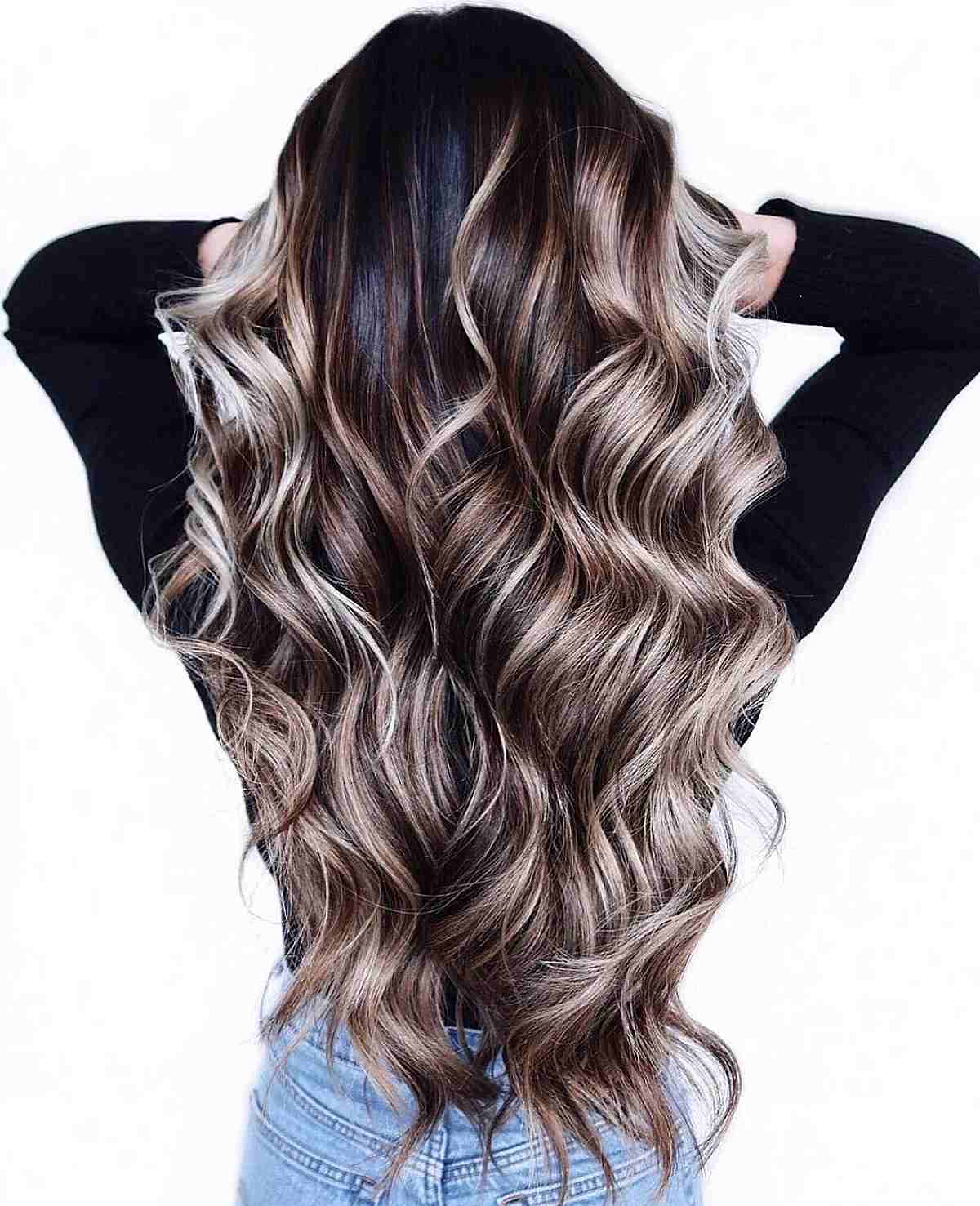
The mistake most people make with a contrasting balayage is letting the lighter pieces drift too high, which turns the root into a stripe. Dark brown base with ash blonde balayage, applied from mid-lengths down, keeps the separation deliberate and the root intact. Thick, wavy hair at collarbone length or longer shows the contrast best because the waves break up the line. It works best with a soft blend avoided, as straight hair shows every placement mark. A texturizing spray on the waves sets the finish without flattening the contrast.
Caramel and blonde balayage highlights on dark waves, thick
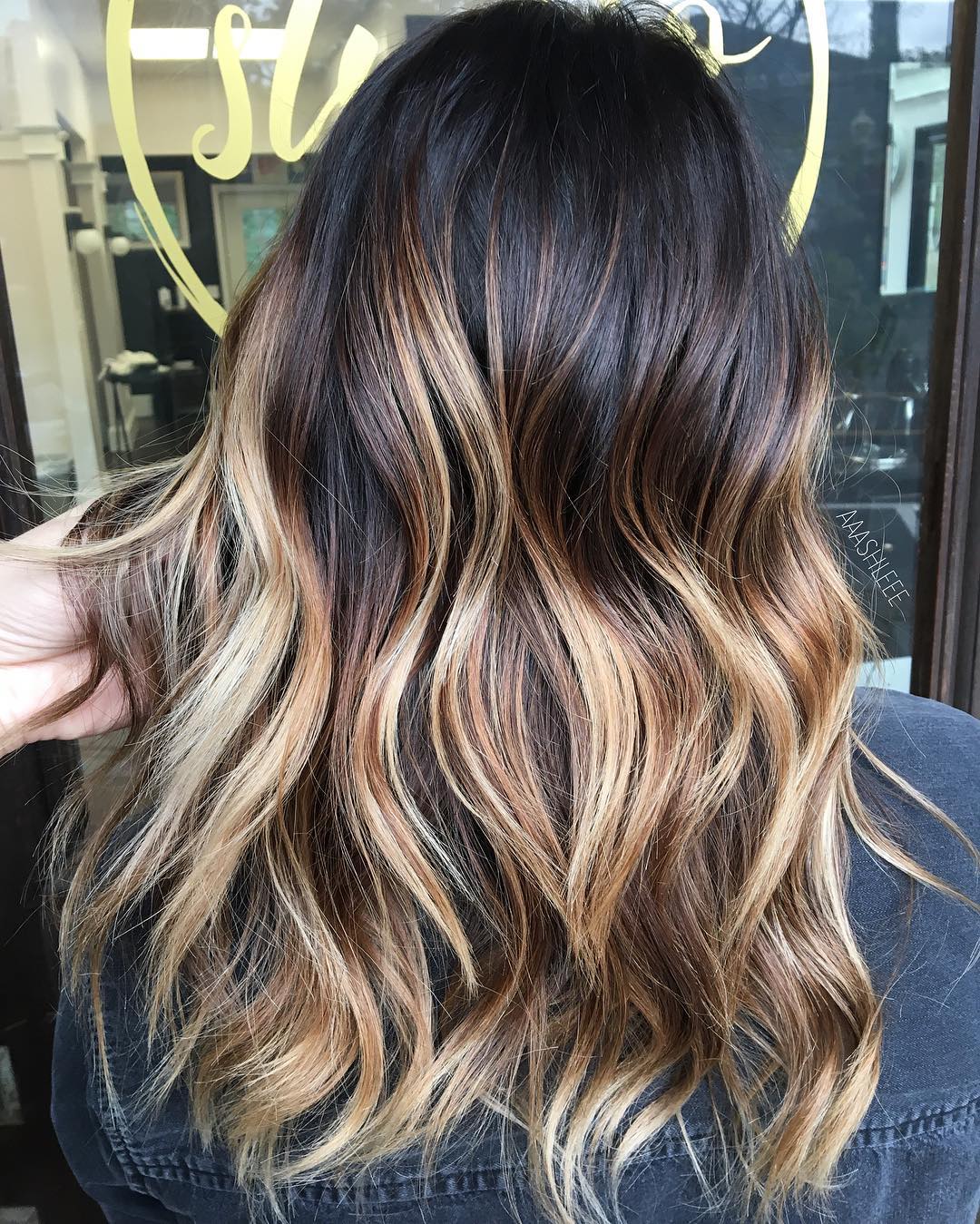
Two tones on one head require a practical rule: the darker tone stays closer to the root, the lighter tone works through the ends. Thick, wavy hair at collarbone length or longer carries both without the strands looking separate stripes. The back view shows how the blend sits evenly across the width of the hair. Ask your colorist for: dark brown base with caramel and blonde balayage. A single tone or straight hair that lacks wave structure may not achieve this look.
Smooth ash blonde balayage on dark brown waves, wavy
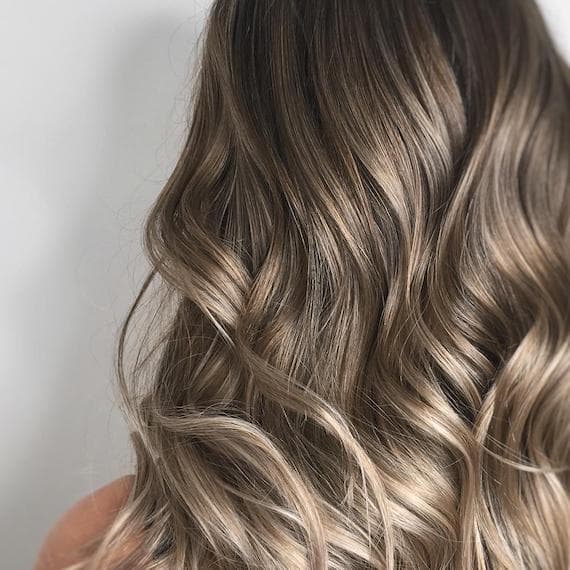
Compared to a caramel and blonde combination, the ash blonde version aims for a soft fade from dark brown base to lighter ends. The side view shows the transition happening below the jawline, leaving the root area untouched. A blowout with a round brush adds volume at the crown while the waves soften the color line. It suits those who want a subtle shift between tones. The result mimics a natural lighter effect.
Contrasting blonde balayage on dark wavy hair
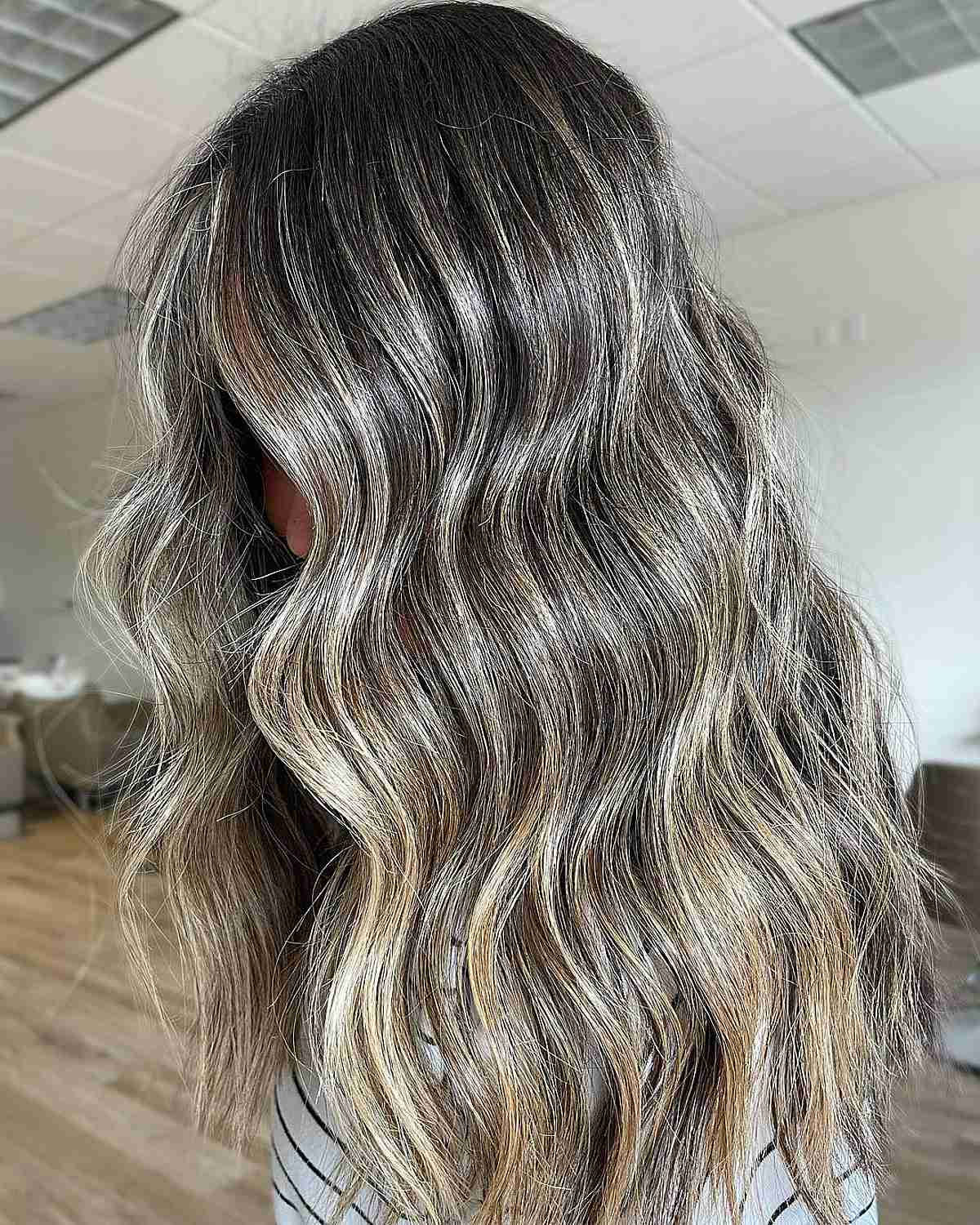
Contrast works best when the base stays dark and the lighter pieces are placed in a deliberate pattern. Thick, wavy hair at least collarbone length carries the separation cleanly. It suits those who want a noticeable blonde pop against a dark brown base. Tell your colorist: dark brown with subtle blonde balayage. A texturizing spray on damp waves keeps the transition soft and the ends separated.
Caramel balayage highlights with curtain bangs
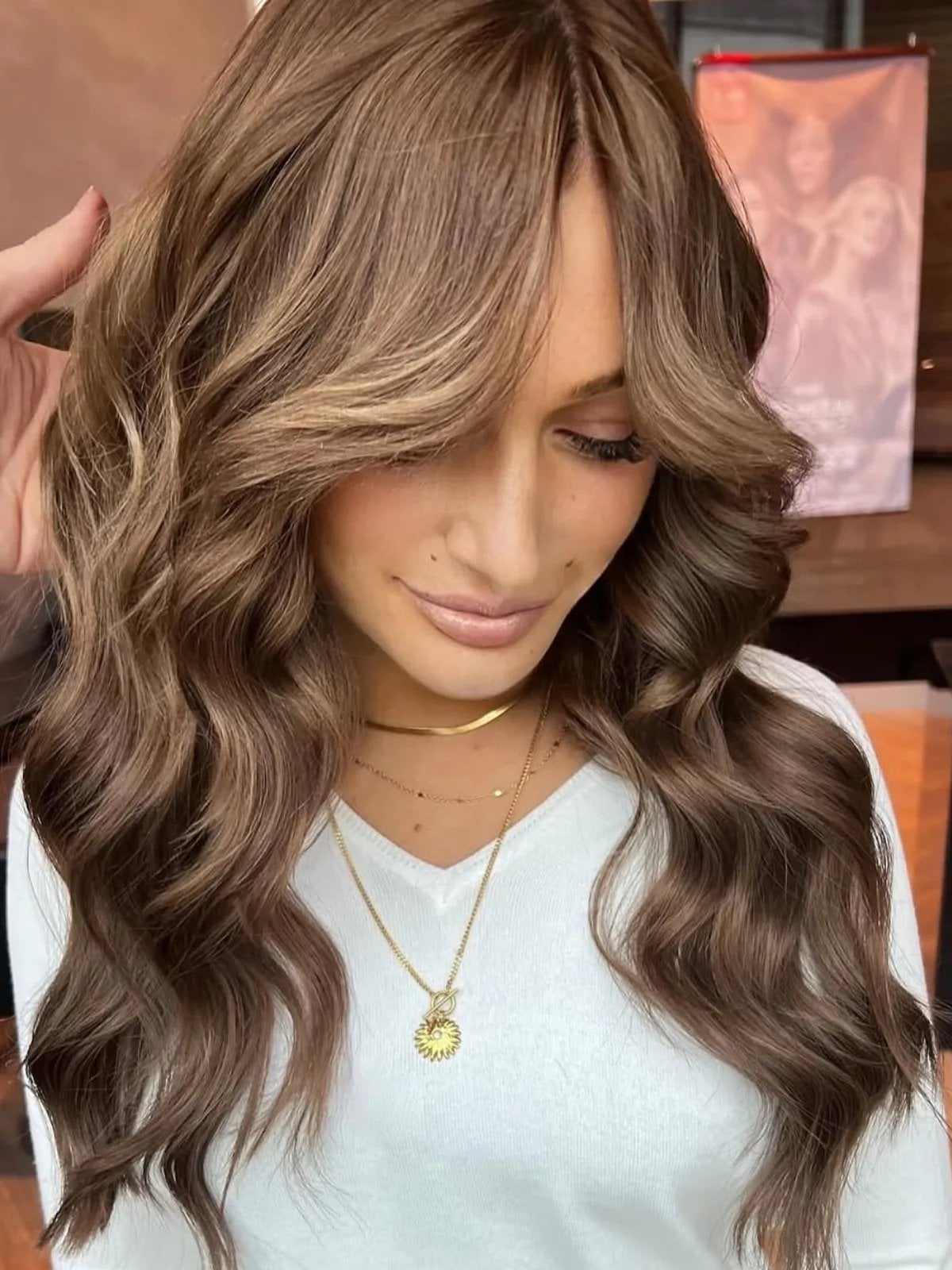
This combination earns its keep because the bangs catch the warm pieces first. Dark brown base, caramel balayage, layered cut, curtain bangs, say those exact words at the consultation. The middle part and waves let the lighter strands fall forward around the cheekbones. Blow-dry the bangs forward with a round brush.
Rose gold balayage on dark curly hair
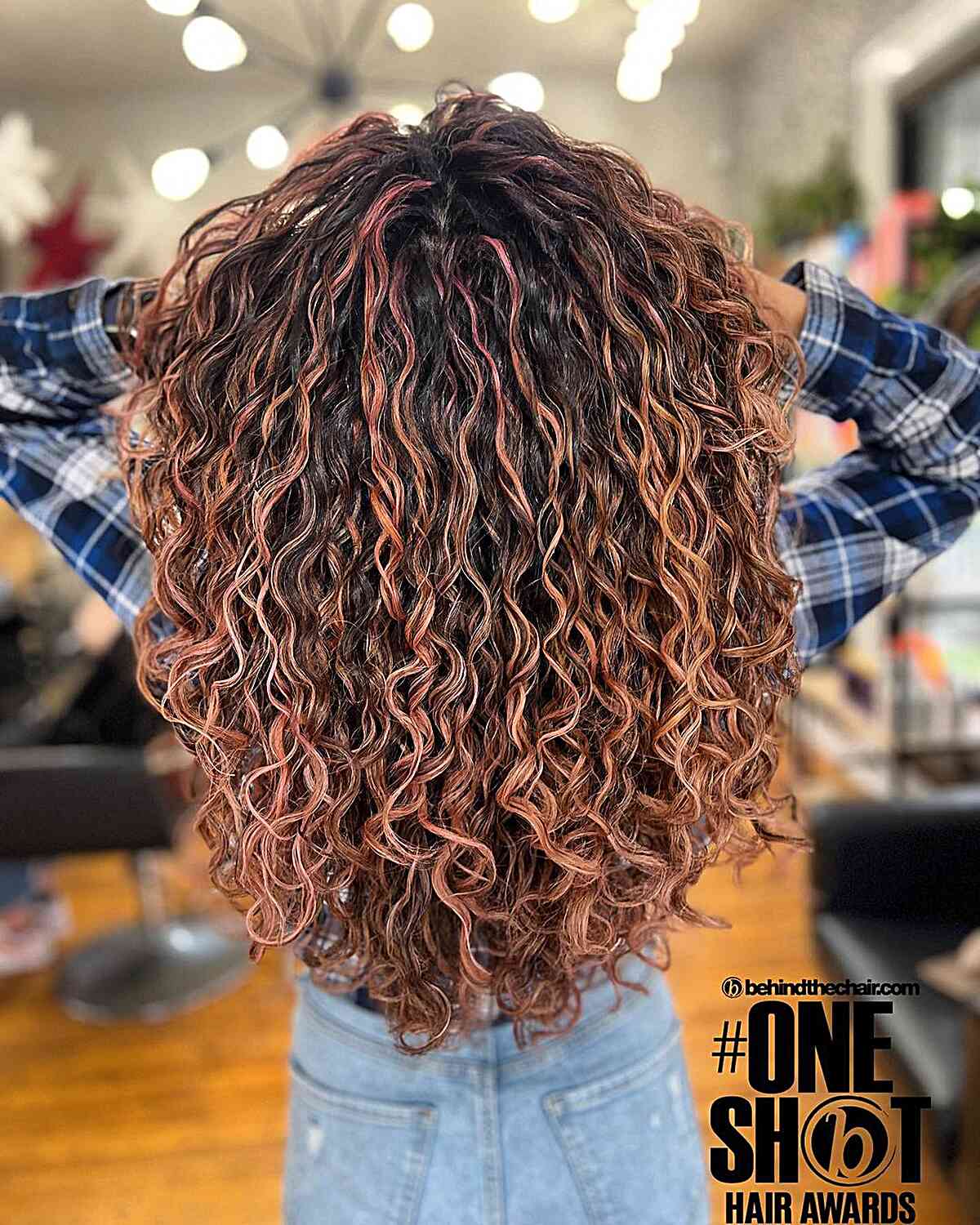
Chair time runs longer on curly texture because each curl needs individual placement. Dark brown base with rose gold balayage, applied freehand through the mid-lengths and ends, keeps the root dark and the tone cool. The air-dried finish shows the true contrast between the base and the lifted strands. Skip it if you prefer blonde or caramel tones. A curl-defining cream after washing maintains the shape between trims.
Final Thoughts
Pick the balayage tone that best suits your natural base and how much time you want to spend toning.
- Fine hair: keep the light pieces thin and concentrated on the ends.
- Wavy texture: the balayage will read softer and more blended.
- Cool base that pulls brassy: use a purple shampoo once a week.
- Maximum grow-out time: ask for a mid-shaft start with no root melt.
Simple balayage offers a beautiful way to enhance dark hair.