35 Stylish Straight Hair 2027: Sleek Looks & Angles
Stylish Straight Hair 2027: Discover 35 hairstyles like dark brown pixie cuts with wispy bangs and ash brown angled bobs. Find the one that fits your style.

You are sitting in the chair, staring at the mirror, trying to decide between a blunt line and a few soft layers. The stylist is waiting. A straight style that works with your density and your morning routine is worth booking now because it will hold its shape longer and photograph well without a fight.
Which is why Stylish Straight Hair 2027 fill so many saved boards: 35 looks from short to long, low upkeep to higher, salon finish to home blowout. Fine hair or thick, ten minutes or thirty, there is a cut here that solves the problem you keep running into.
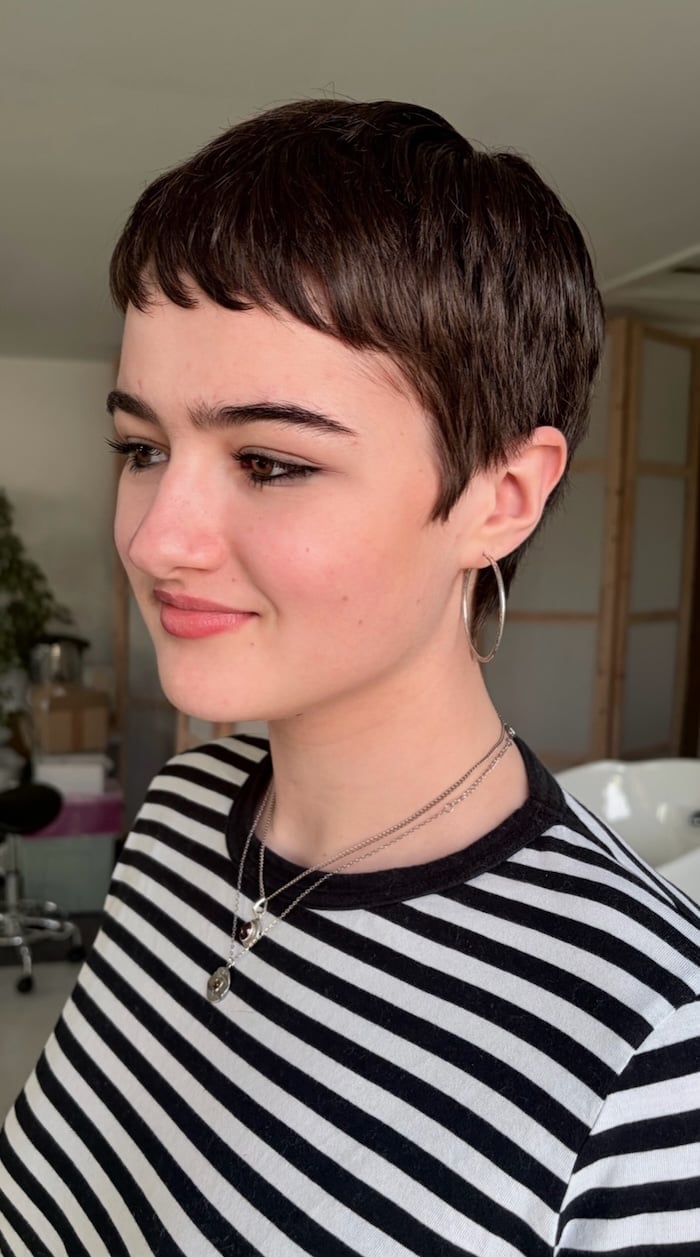
Dark brown pixie cut with short wispy bangs
A longer bob gives you room to tuck behind ears. A pixie cut gives you a reminder that the back of your head exists. This version lands on short wispy bangs that hit mid-forehead, not above the brow line. The texture stays straight and fine, which means the cut holds its shape without puffing. Skip it if your hair is very thick or coarse. The wisp effect needs fine strands to look intentional rather than stubborn. Ask your stylist for short wispy bangs and a textured pixie cut. A dab of paste before you leave the house keeps the pieces separate.
Ash brown angled bob with a middle part
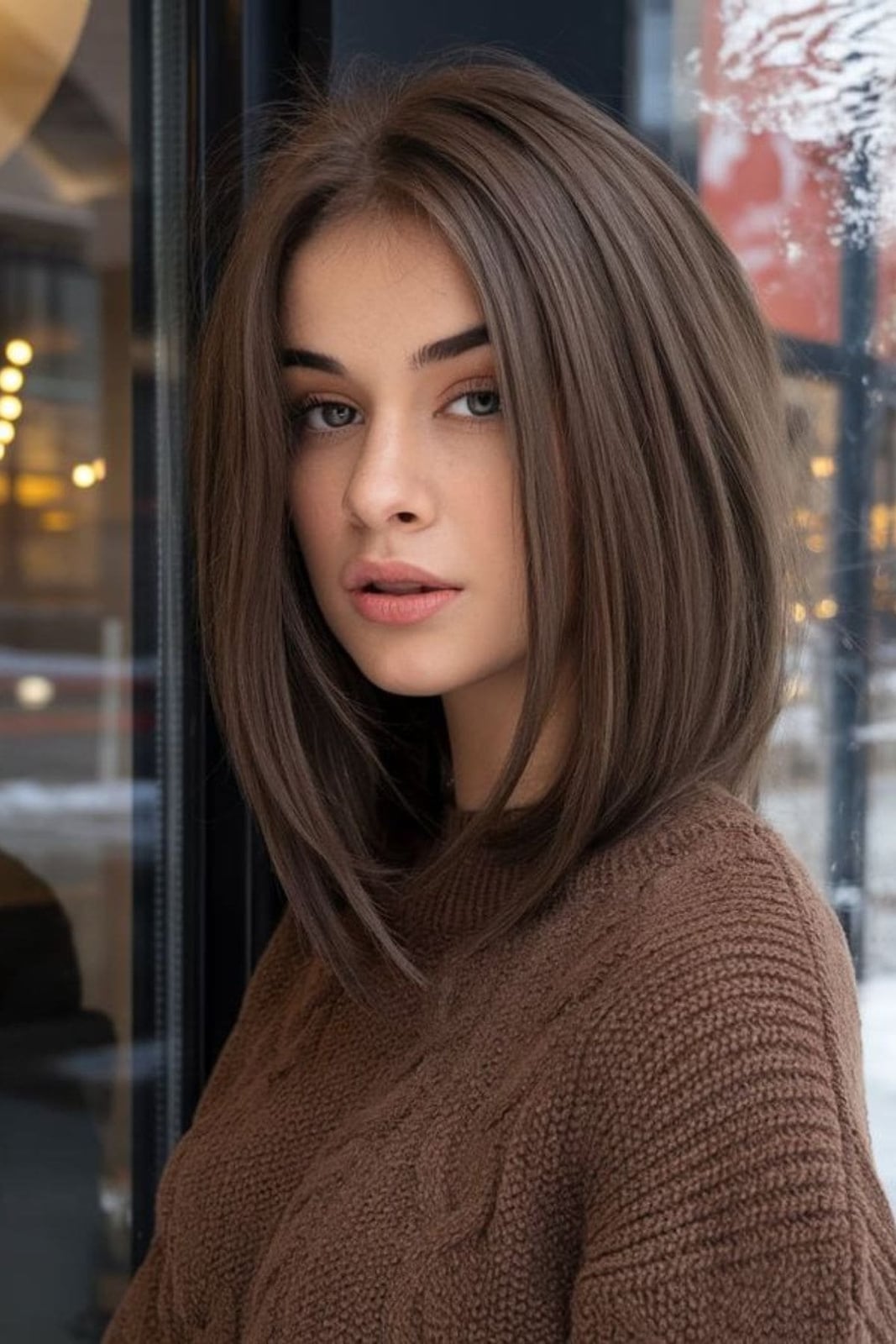
Does a middle part work when your hair is fine? Yes, if the cut carries the weight. This angled bob drops longer in the front, so the eye follows the diagonal line rather than the crown. The ash brown color cools down the overall look without going gray. No bangs here, the middle part relies on clean cheekbone exposure. Skip it if your hair is very curly; the angle fights the curl pattern. Blow-dry with a round brush to keep the front pieces swinging forward. Trim every eight weeks to preserve the angle.
Bob with a sharp asymmetrical cut and side parting
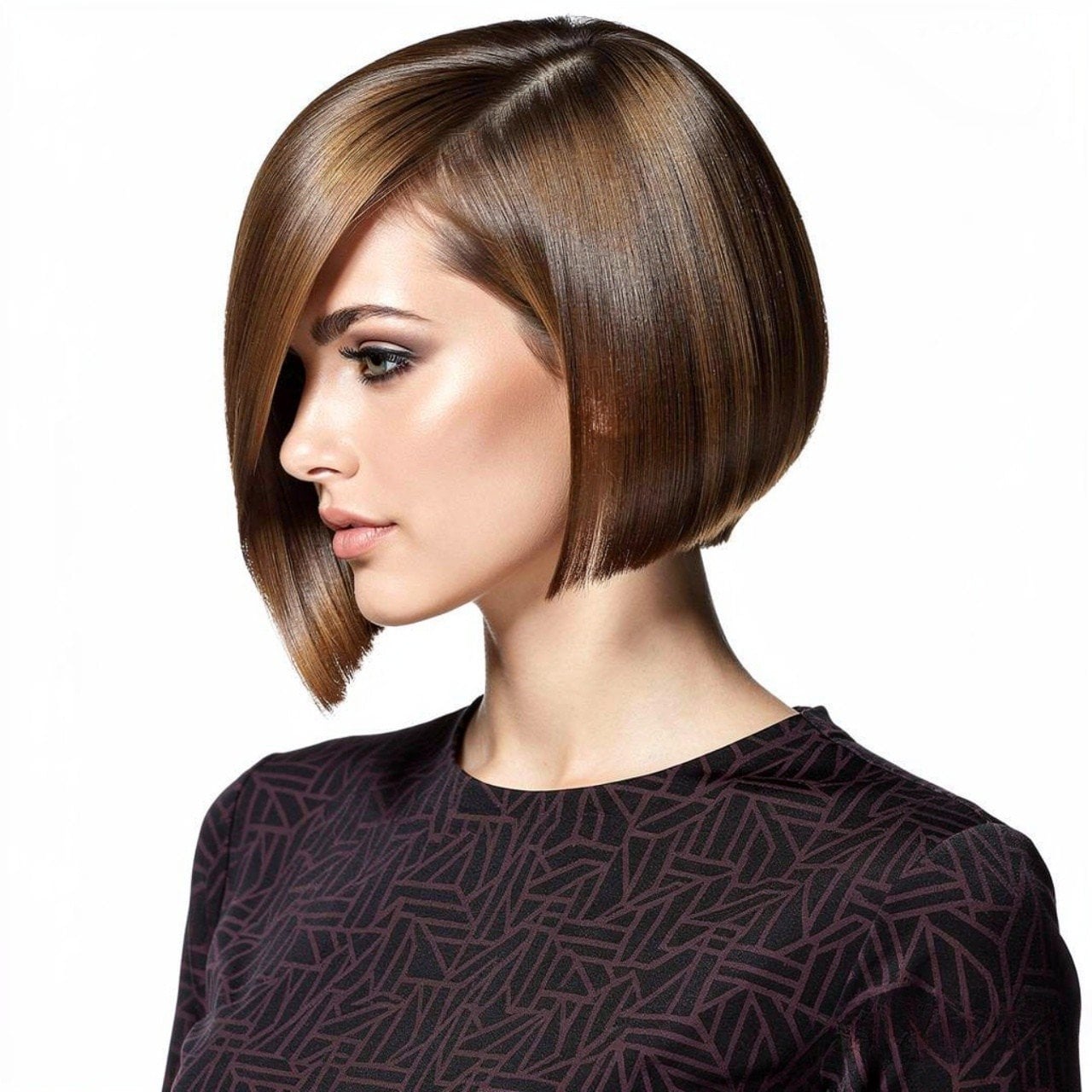
One side stops at the jaw. The other keeps going. This asymmetrical bob uses a deep side parting to push the longer section forward, with subtle golden highlights on the shorter side. No layers, the contrast comes from the length difference alone. Ask your stylist for: sharp asymmetrical bob with a deep side parting. Fine straight texture holds this line best; thick hair would need texturizing to keep the heavier side from flopping. A smoothing serum stops flyaways near the shorter ear.
Asymmetrical angled bob with a smooth blowout
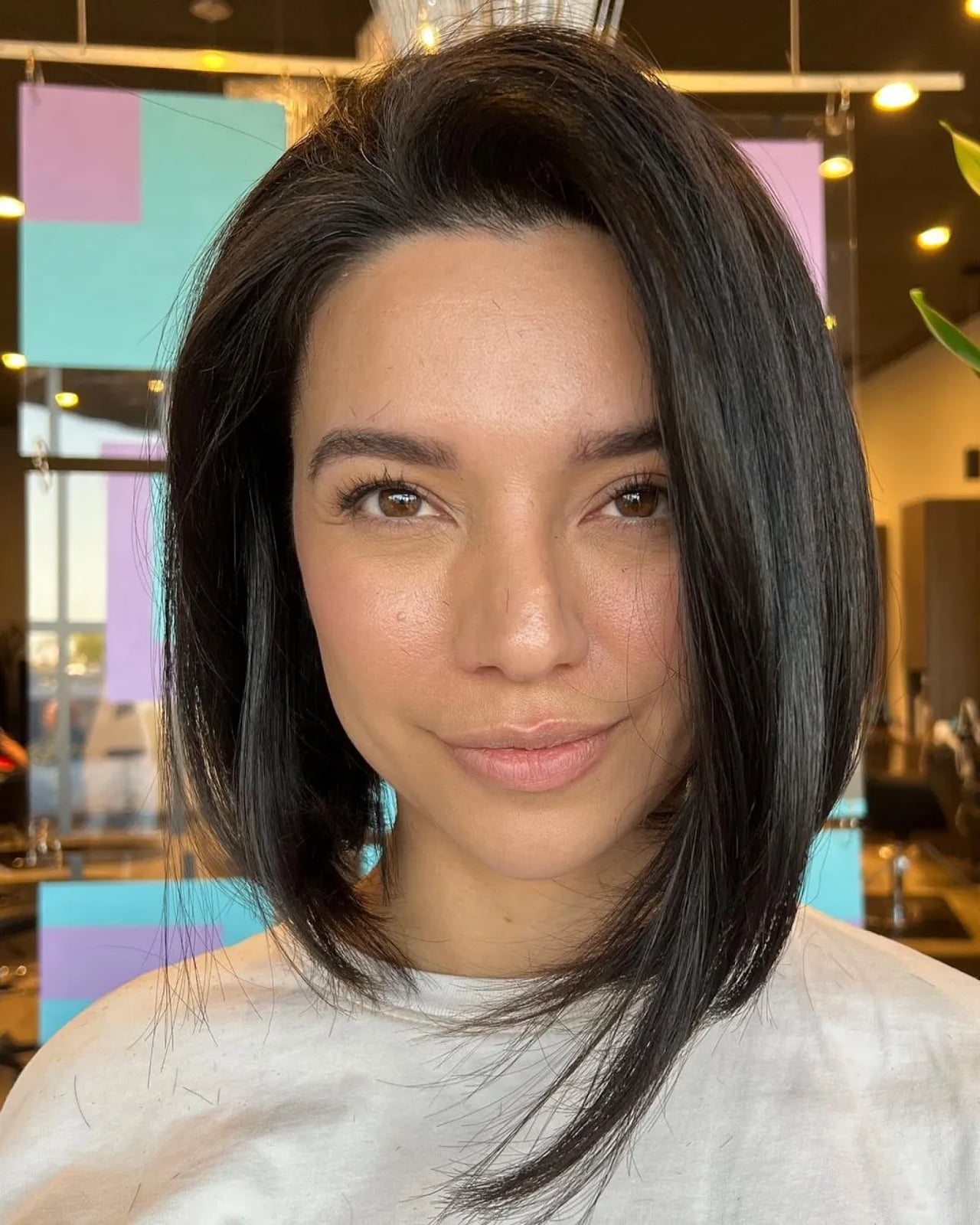
Autumn is when this cut earns its keep. The dark brown color reads rich against sweaters, and the smooth blowout gives the angle a clean silhouette. The front sections graze the collarbone while the back stays short, a gradient that works for work meetings and weekend errands alike. No bangs, so the side parting does the framing. A one-length bob is a different cut; the asymmetry demands commitment to the shorter side. A heat protectant before blow-drying keeps the fine ends from splitting before the next trim.
Sleek blunt bob with a sharp, precise line
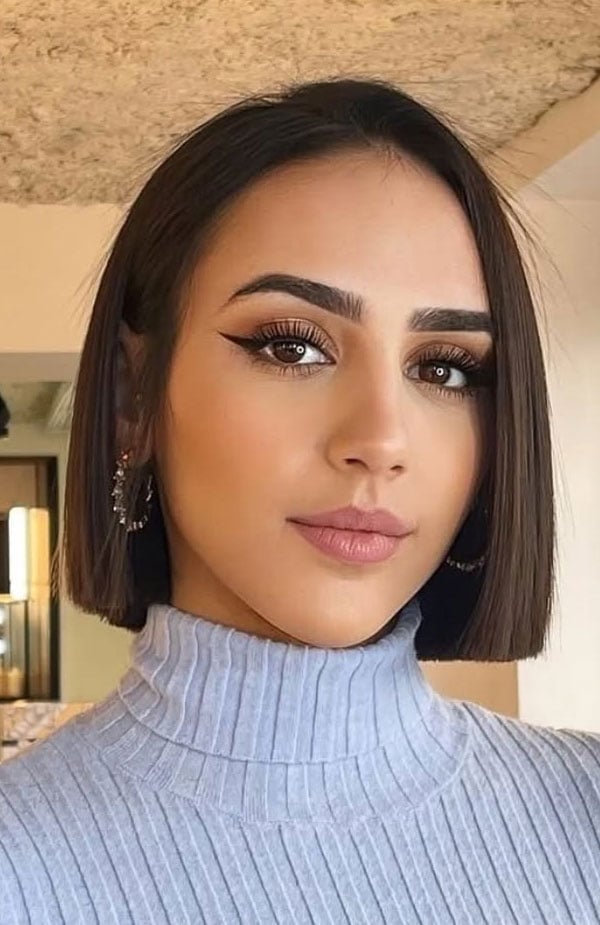
A blunt bob reveals every uneven snip. That is why you book a salon, not a kitchen scissors. The sharp, precise line runs straight across, no graduation, no texturizing. Dark brown color keeps the ends looking dense, and the middle part splits the weight evenly. Fine, straight texture is ideal, any wave would break the clean line. The mistake people make is skipping trims. Six weeks, not eight, because a blunt bob shows one millimeter of split end like a neon sign. Ask your stylist for a blunt bob with a sharp, precise line.
Blunt bob with wispy side-swept bangs

Compared to a straight-across blunt bob, this version adds a soft entry point with wispy side-swept bangs. The dark brown base with subtle highlights keeps the sharp ends the main event. Fine to medium straight hair holds this shape best, and the middle part distributes the wispy pieces evenly. The catch: those bangs need a blow-dry directed to the side every morning, and the bob demands a trim every six to eight weeks or the blunt line loses its nerve.
Medium blonde blunt cut lob with blunt bangs

Precision is the whole point here. The blunt cut lob hits at collarbone length, and the blunt bangs land straight across, creating a single clean horizontal line with the fringe. Fine, straight hair works best because thicker textures push the blunt bangs apart. Skip it if you dislike the commitment of a daily bang styling routine. The medium blonde shade looks one solid piece, so no highlights interrupt the geometry. Tell your stylist: blunt cut lob, blunt bangs, medium blonde.
Lob with subtle layers and asymmetrical side-swept bangs
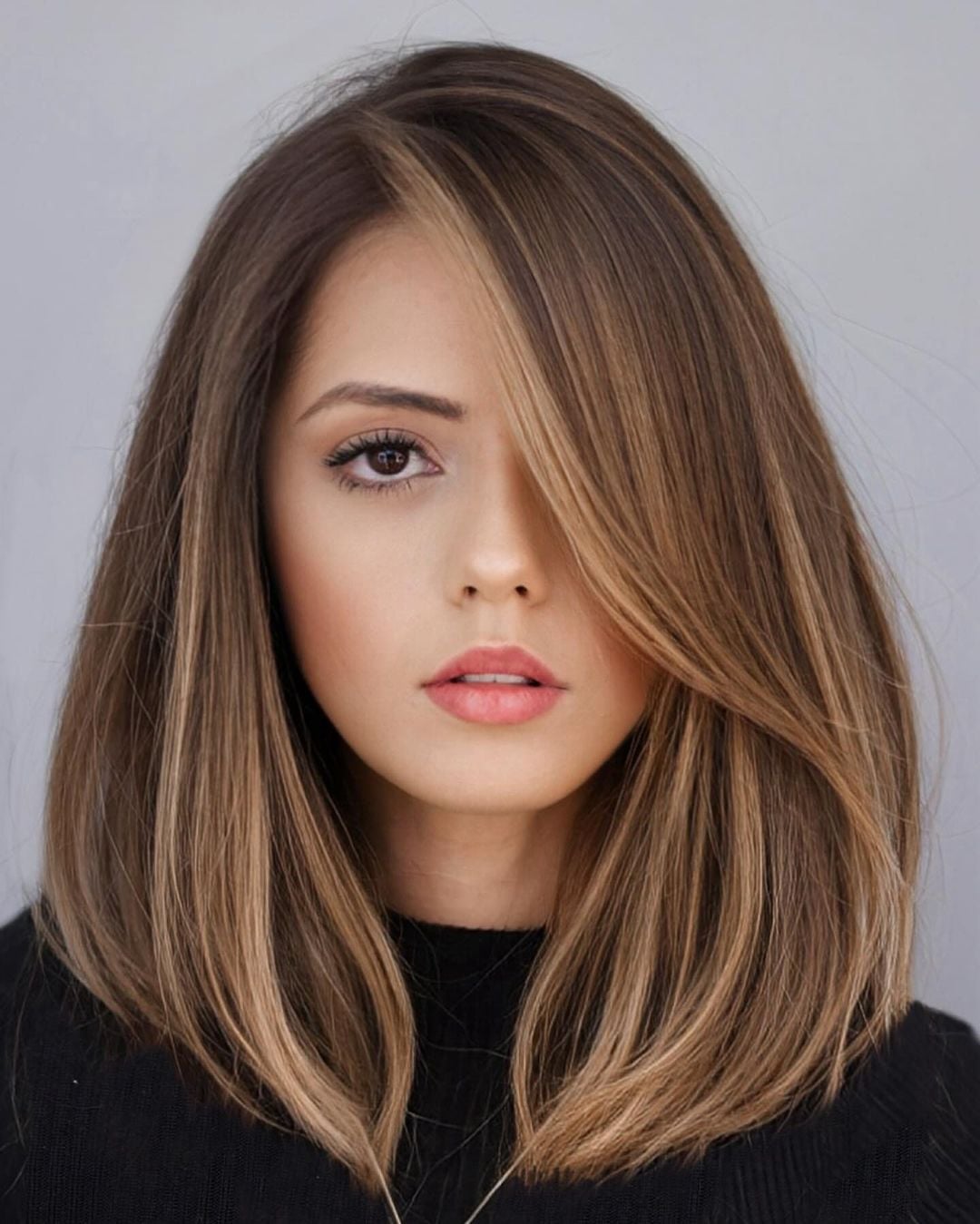
How do you ask for a lob that has movement without losing its shape? The answer is in the words. This collarbone-length cut uses subtle layers throughout, so the hair bends together rather than stacking. The asymmetrical side-swept bangs cross the forehead at an angle, which softens a square jawline without hiding it. Medium brown with blonde highlights adds a tonal shift that keeps the layers visible. Book it as: lob with subtle layers, asymmetrical side-swept bangs.
The layers stay internal, so the perimeter looks one piece from the front. Fine hair gains volume without looking chopped.
Layered pixie bob with choppy layers and side swept bangs
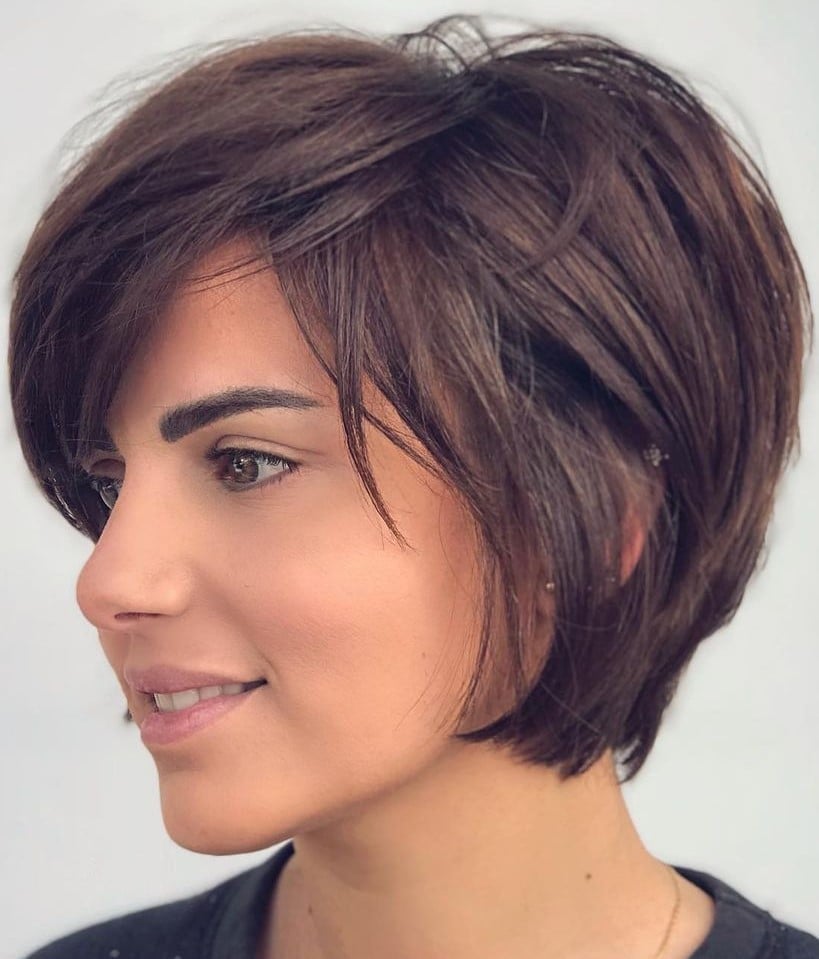
Choppy layers cut into a pixie bob create texture that straight fine hair usually lacks. The side swept bangs break the line across the forehead, and the dark brown color lets the cut speak without distraction. Pass on this if you want to grow out without awkward stages, because every four to six weeks you are back in the chair. A texturizing spray on damp hair sharpens the choppiness. Tell your stylist: layered pixie bob, choppy layers, side swept bangs.
Sleek dark brown lob with a deep side parting

Unlike a center-parted lob that splits evenly, this version uses a deep side parting to shift the weight. The collarbone-length cut has no bangs, so the dark brown shade runs uninterrupted. Thick, straight texture is the anchor here, because fine hair would fall flat without the density to hold the sleek line. Blow-dry with a smoothing serum and curve the ends inward.
Dark brown lob with curtain bangs and volume
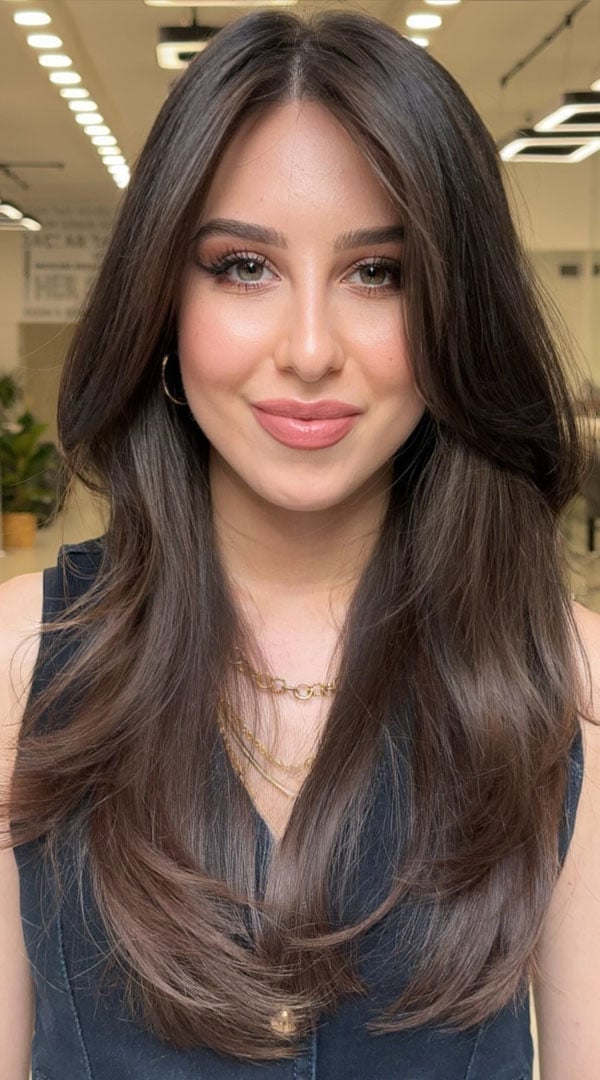
Collarbone layers create the foundation; curtain bangs sweep the sides. The blowout lifts at the crown, and the whole thing lands somewhere between neat and low-effort. Fine straight hair holds this shape best. The layers keep weight off the ends, and the bangs frame without swallowing the face.
Dark brown layers with blonde highlights and curtain bangs
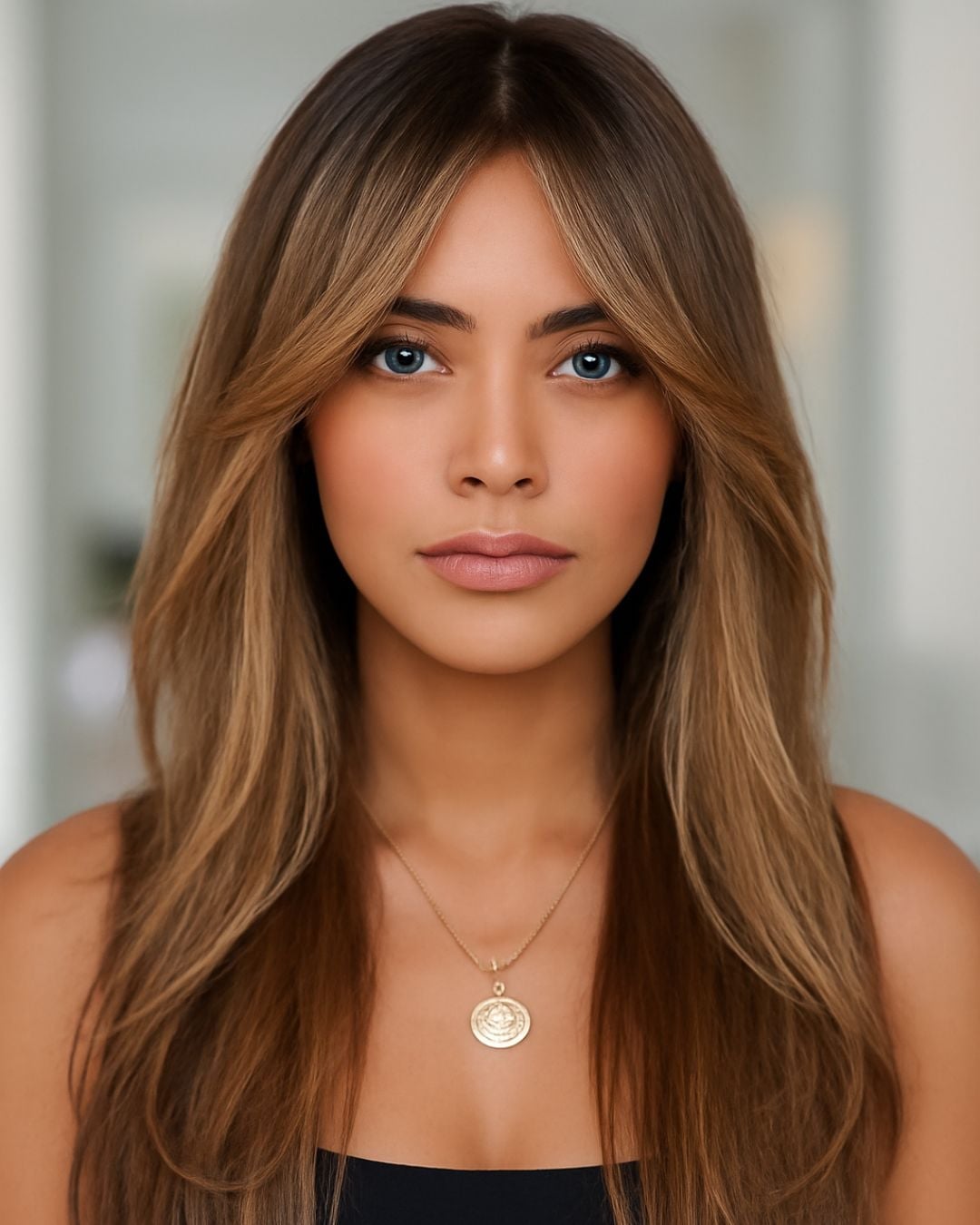
Blonde highlights sit on a dark brown base, and the curtain bangs fall past the brows. The layers are cut to start around the jaw, so the color moves with the hair instead of sitting flat. A middle part and a smooth blowout finish the look. Fine texture shows the contrast best, the highlights catch light without needing product. The precision of the bangs and the highlight placement makes this a salon-only design.
Auburn undertones on dark brown hair with curtain bangs
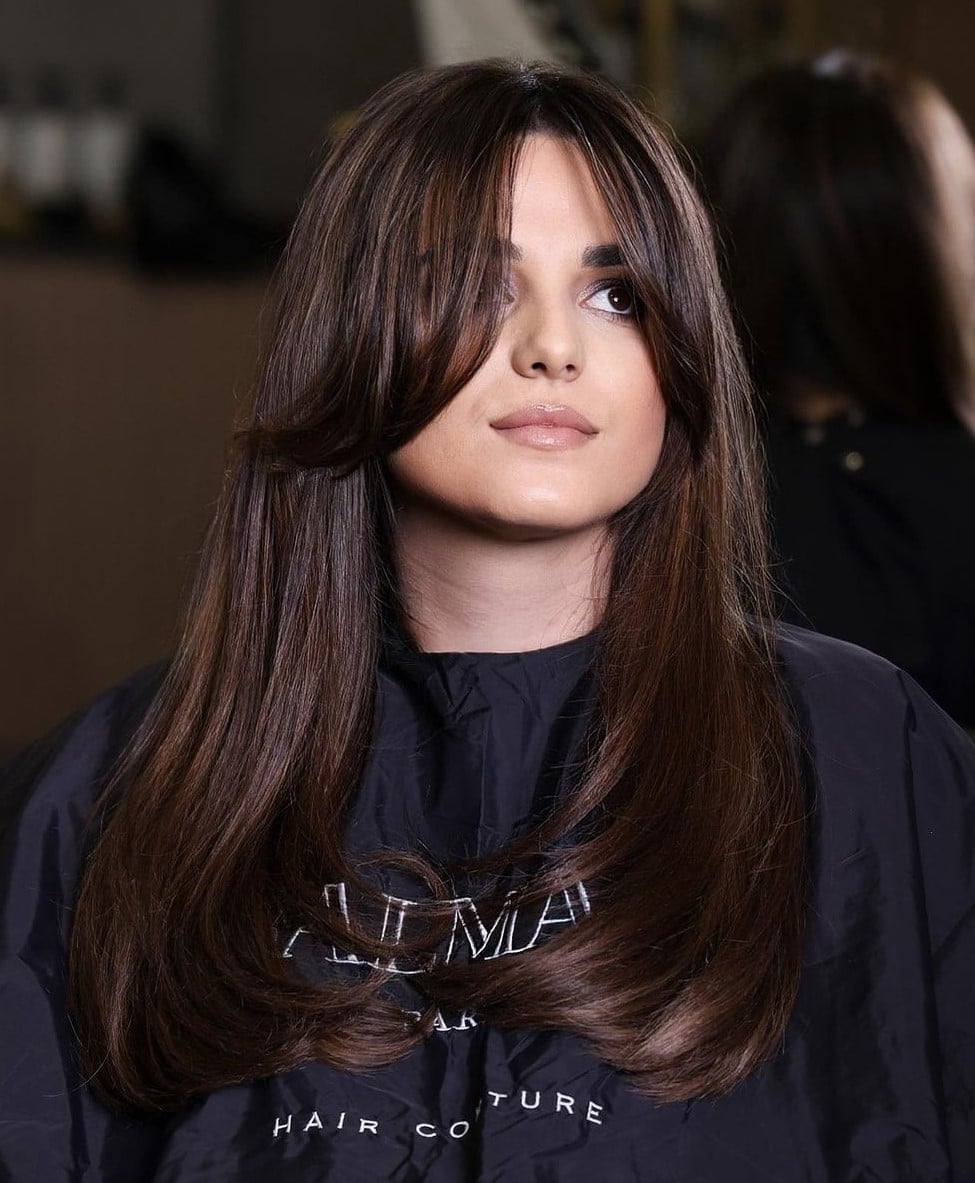
Compare this to a solid dark brown lob: the auburn undertones add warmth without shifting the base. The curtain bangs and long layers keep the shape soft, and the middle part lets the color read evenly. Fine straight hair benefits from the subtle warmth. It prevents the color from turning flat. Request from your colorist: dark brown with auburn undertones, curtain bangs, long layers. The result is richer than a single-process brown but more understated than a full copper.
Dark brown long layers with subtle highlights and curtain bangs, it
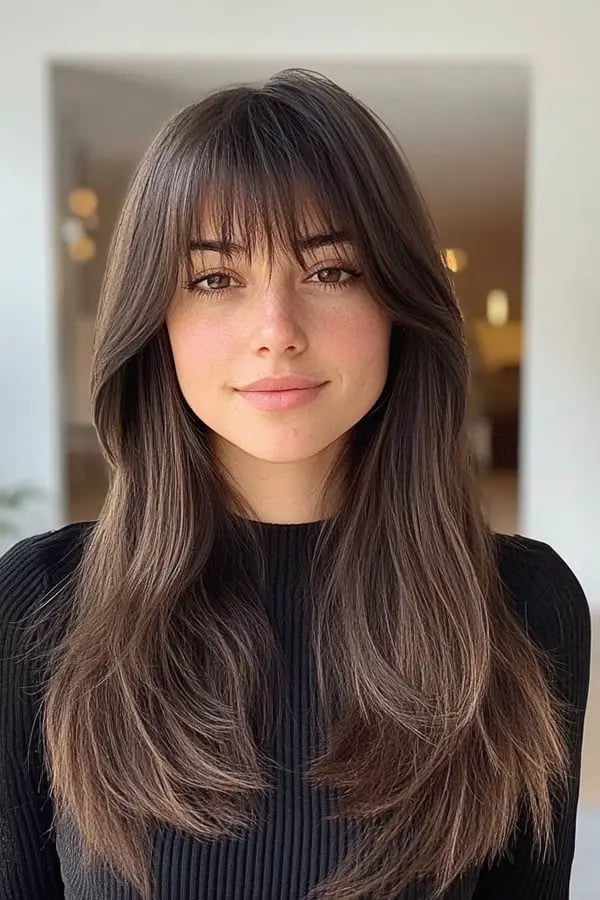
Curtain bangs and long layers create a shape that works on oval, round, and heart faces. The subtle highlights break up the dark brown without looking streaks, and the middle part keeps the weight even. A smooth blowout finishes the look, no curling iron required. This style is not ideal for a solid color or if you dislike the maintenance of bangs. The highlights need a gloss or toner refresh every six to eight weeks to stay blended. Fine hair gains the most from the layers; they add the illusion of density at the crown.
It suits anyone who wants movement without losing length. It is not suitable if you wash and go with no blow-dry. The bangs need heat to sit right.
Curtain bangs blending into face-framing layers and subtle highlights
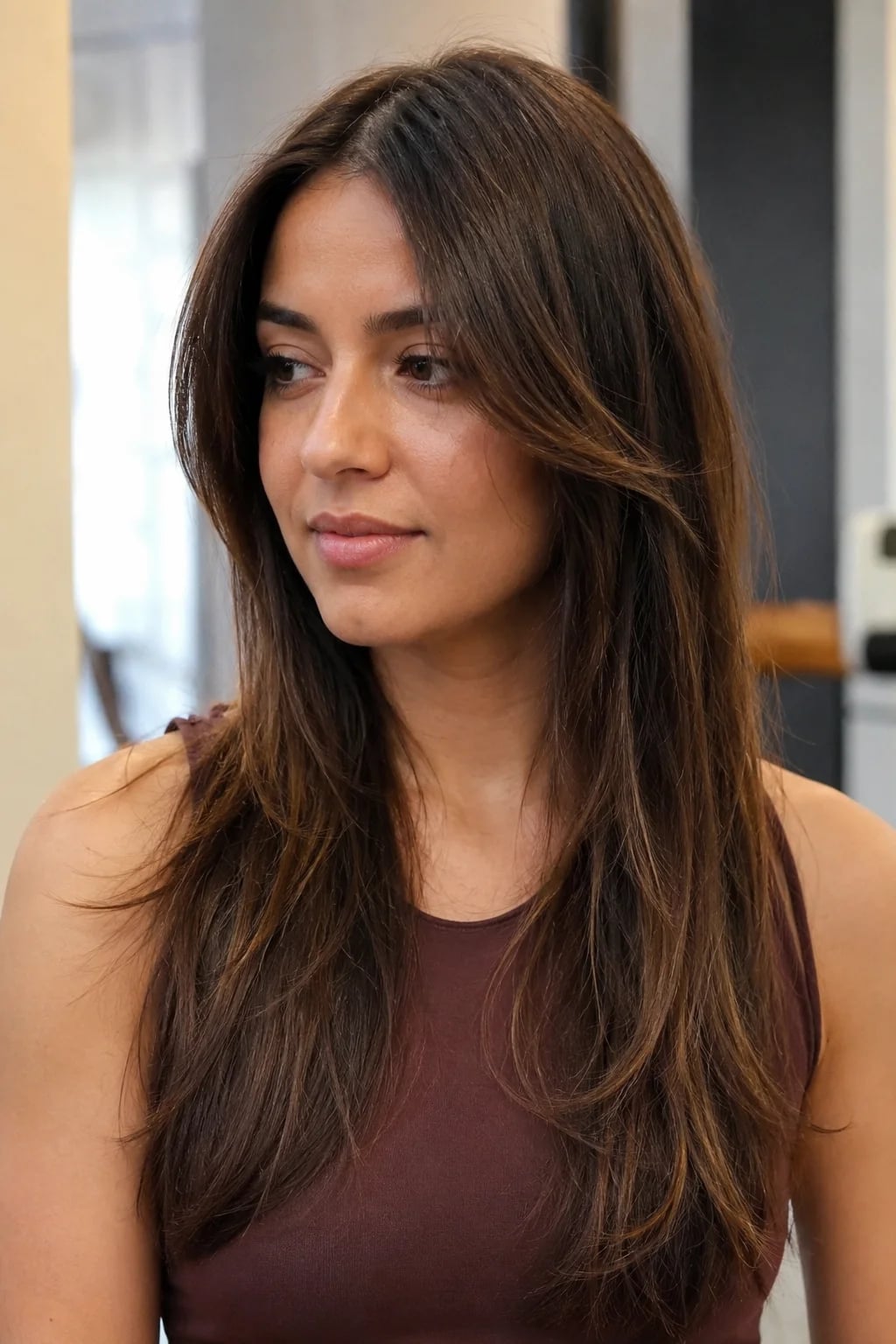
Curtain bangs that melt into face-framing layers, no hard line between them. The subtle highlights add dimension, and the blowout keeps everything smooth. One real drawback: the blended layers can lose their definition after four to six weeks if the bangs grow past the cheekbone. Tell your stylist: curtain bangs, face-framing layers, dark brown with subtle highlights. The middle part and fine texture make the blend smooth. Fine hair gets the most lift from this approach.
Dark blonde layers with honey highlights and curtain, close-up take
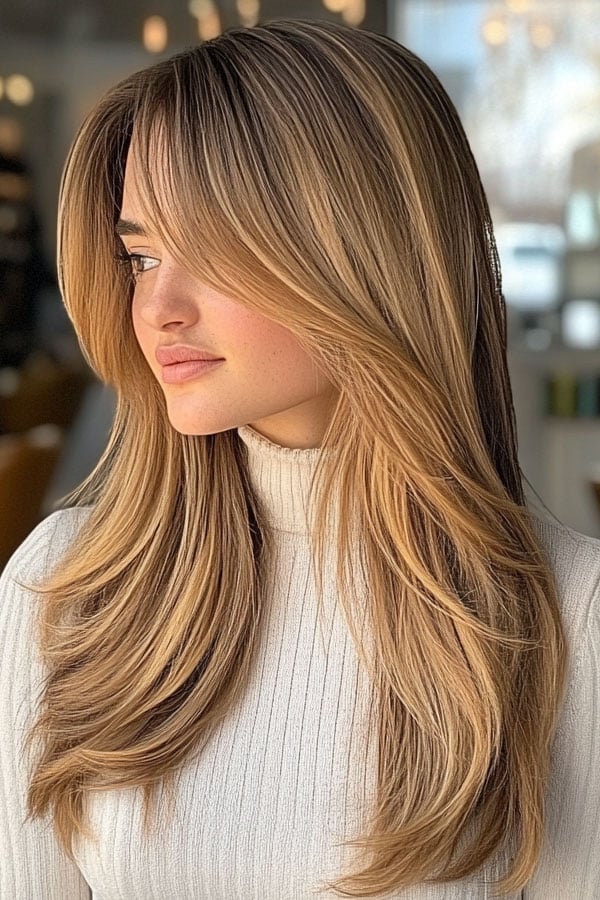
Curtain bangs are the difference between a grow-out you dread and one you actually enjoy. These sweep away from the face, blending into layers that start around the cheekbone. The dark blonde base gets lifted by honey highlights placed where the light hits naturally. Fine to medium straight hair starting at the collarbone carries this weight best. Skip it if you prefer cooler tones or simply do not want bangs.
Dark blonde lob with layers and lighter highlights
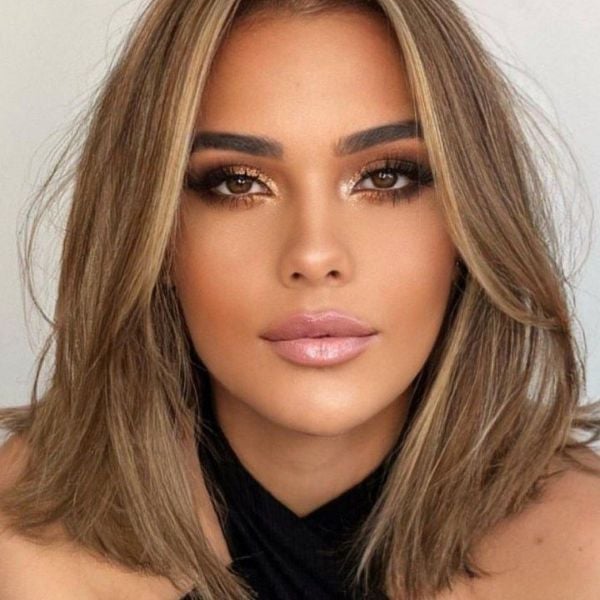
A lob with layers is not a compromise between short and long; it is its own decision. The cut lands at the collarbone with soft interior layers that keep the shape from falling flat. A middle part splits the dark blonde base evenly, and lighter highlights run through the top section to catch the eye. Fine hair benefits from the weight removed at the ends. A round brush during the blow-dry gives the ends a slight bend that keeps the style from looking too severe. Ask your colorist for: dark blonde with lighter highlights. Ask your tech for: lob with layers.
Dark blonde layers with lighter highlights and face framing, middle
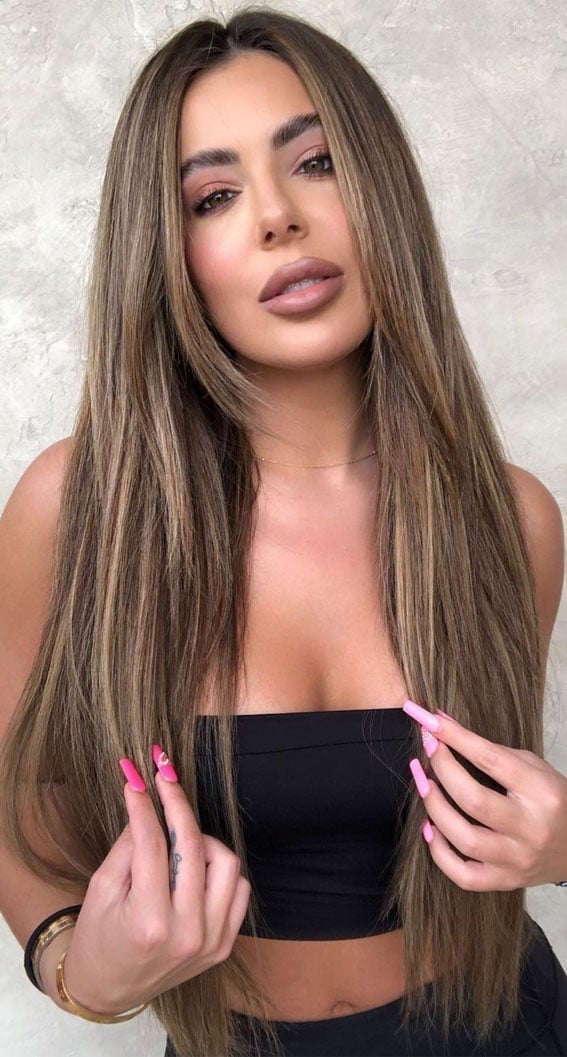
Face-framing layers only work when they are cut to the right length for your features, not copied from a photo of someone else. Short layers around the chin soften the line of a square jaw, while longer pieces starting at the collarbone suit oval faces. A middle part keeps the framing even. This is not a DIY project. The dark blonde base needs a professional hand to place the lighter highlights so they follow the layers. A single solid shade is a simpler option.
Dark blonde long layers with lighter blonde, everyday version
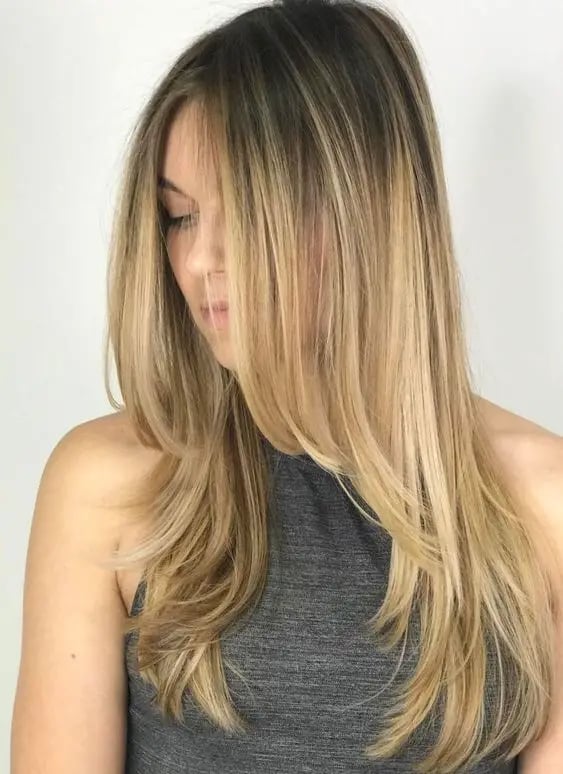
Long layers versus subtle face-framing pieces is the question here. Long layers preserve more weight through the body and add movement without changing the silhouette much. Face-framing pieces pull the eye upward and can shorten a long face. Both work on dark blonde hair with lighter blonde highlights.
For everyday wear, long layers win on low upkeep. You air-dry or rough-blow, and the shape still lands well. The catch: if your hair is fine, long layers can look stringy by day two. A texture spray at the roots buys another day. Skip it if you want a dramatic shape change. Tell your stylist: long layers, dark blonde with lighter blonde highlights.
Dark blonde long hair with lighter highlights and sleek finish
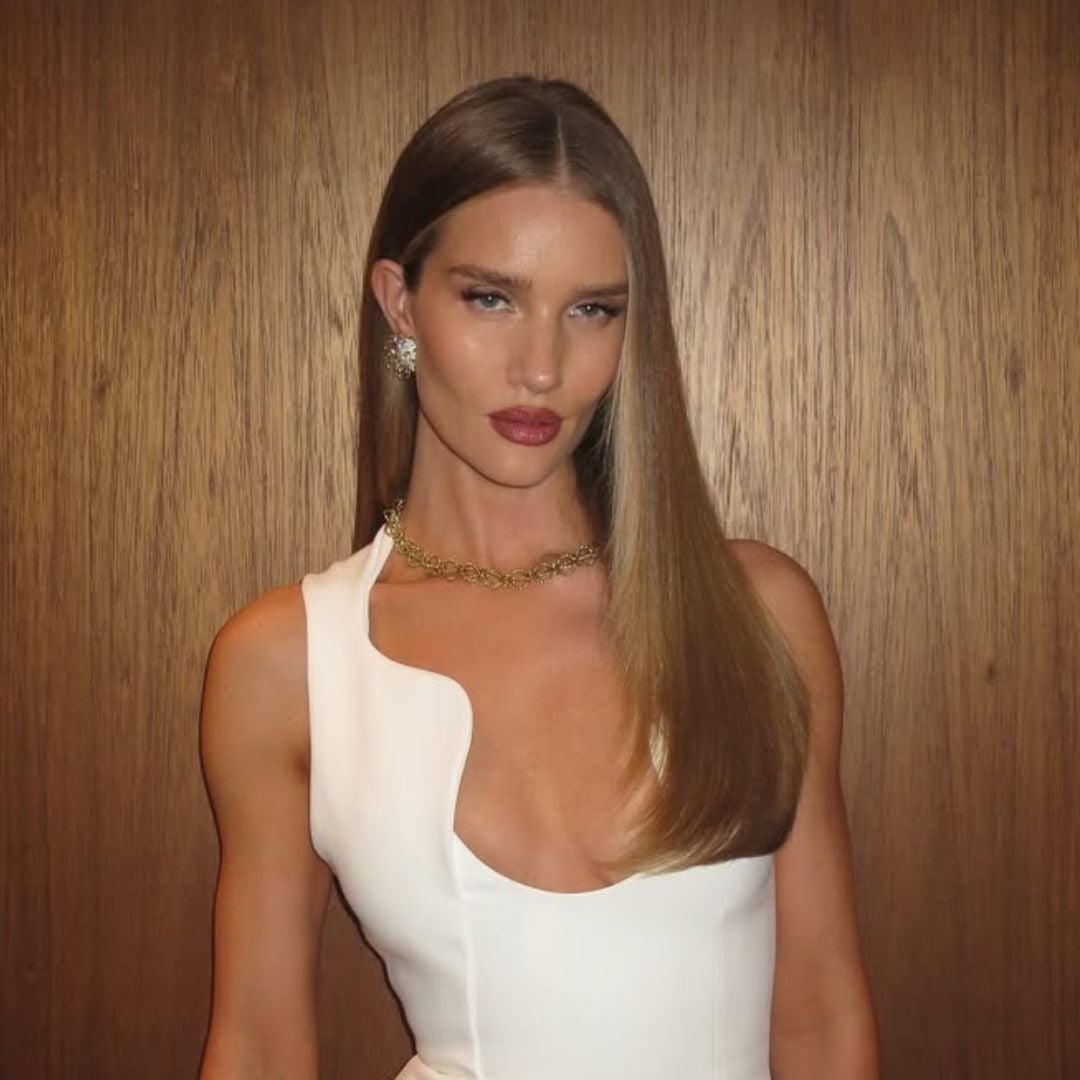
A sleek blowout on long hair demands a precise cut underneath. The weight line needs to be clean, or the ends will flip unevenly by noon. Fine hair takes to this finish well because it lies flat without extra product. The dark blonde base is subtle, and the lighter blonde highlights add a quiet contrast that looks neat.
The drawback: this look shows every split end. If hair is damaged, the sleek finish will magnify it. Thick hair that resists staying flat may struggle with this style. A smoothing serum and a round brush are the tools. The blow-dry takes about twenty minutes, and the result holds for one solid day before needing a touch-up.
Dark brown long layers with a smooth blowout
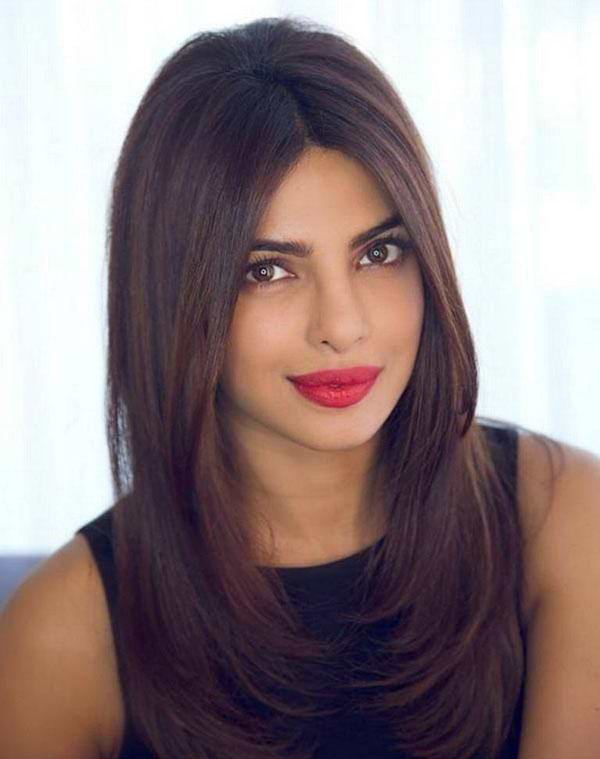
Long layers that start around the collarbone give dark brown hair its shape here. The middle part and smooth blowout keep the look neat without stiffness. It works best on fine to medium straight hair starting at collarbone length. It is not ideal for those who want bangs or have very thick strands. Tell your stylist: long face-framing layers, dark brown color. Blow-dry the layers away from the face.
Dark brown fine hair with subtle face-framing layers
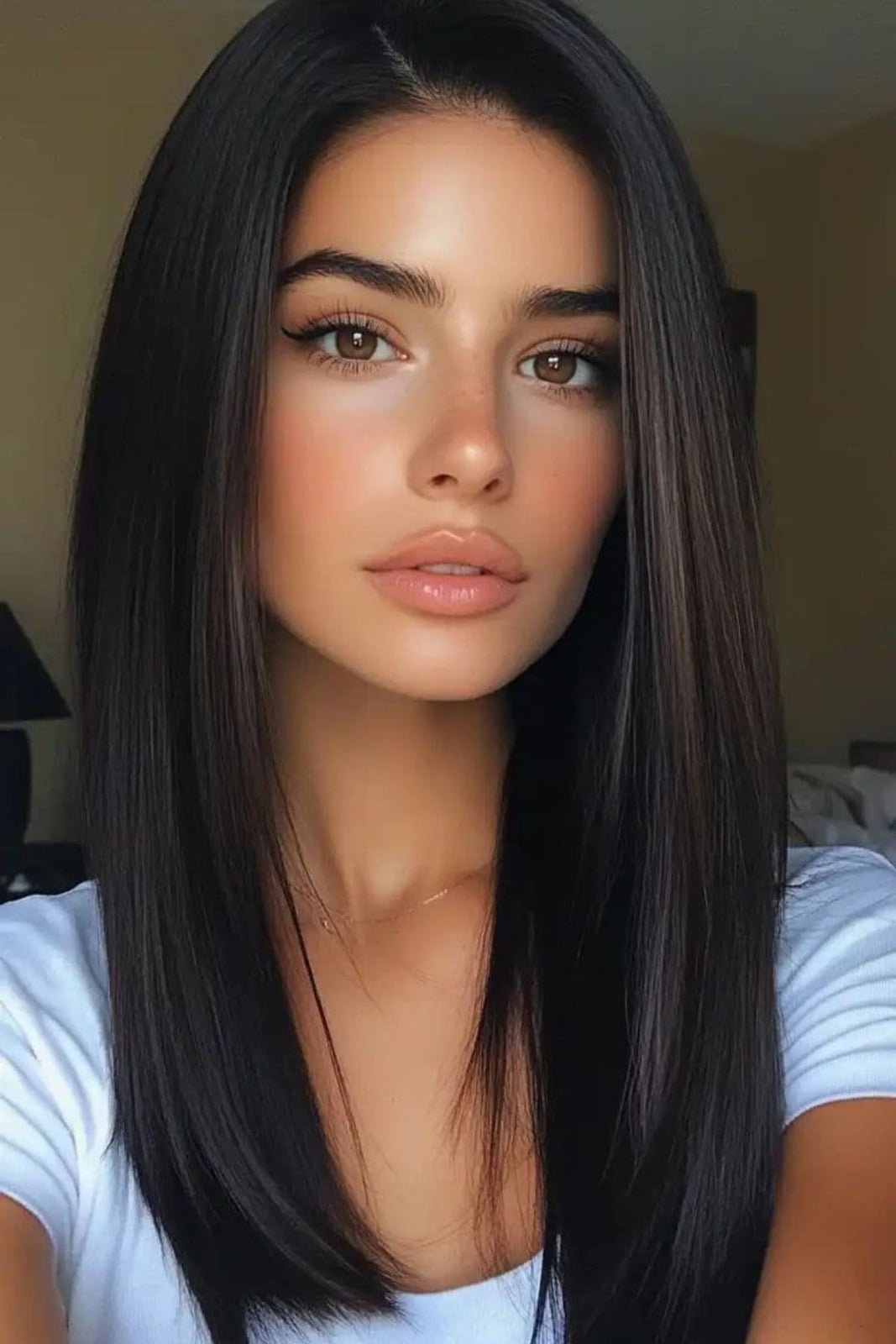
Compare this to a blunt cut and the difference is clear. Fine, straight hair gains movement without losing density when the layers stay subtle and start around the collarbone. The middle part and blowout keep the finish sleek. This suits oval, round, and heart faces. The cut works best for those who prefer a solid blunt line or have very thick hair. A lightweight styling product at the roots adds grip. Blow-dry the face-framing pieces forward.
The dark brown shade keeps the look understated. No bangs means less daily fuss. The shape holds well between trims. Fine texture benefits from a lightweight styling product at the roots.
Dark brown long layers with blonde highlights and creating dimension
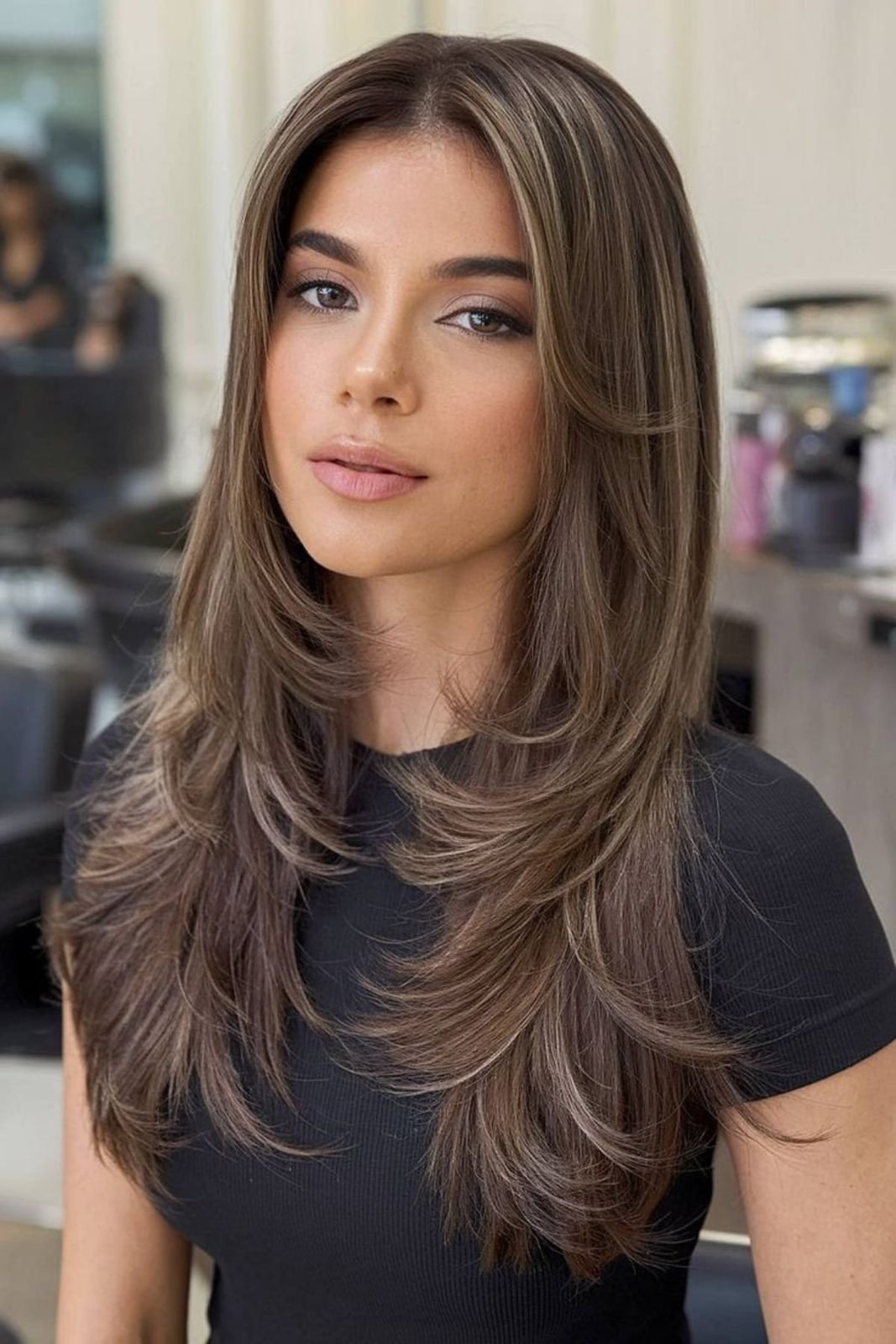
Prominent face-framing layers give this cut its shape. The dark brown base carries subtle blonde highlights woven through the top sections. A middle part and smooth blowout complete the look. Tell your stylist: prominent face-framing layers, dark brown with blonde highlights. This works for fine to medium straight hair starting at chin length. Not for solid color or visible layers.
The blonde pieces sit close to the face and catch light without needing heavy styling. The layers stay soft rather than choppy. This keeps the silhouette clean.
Dark brown long layers with ash highlights
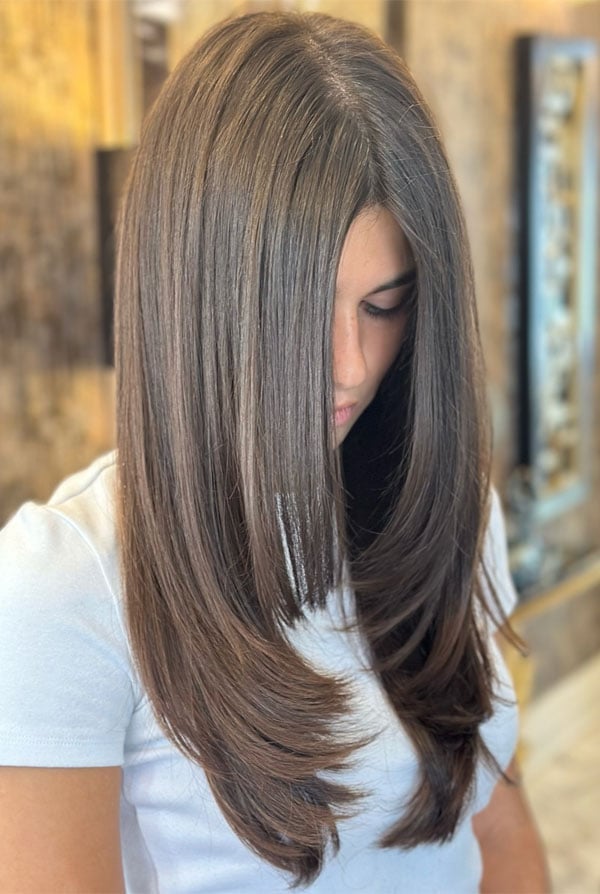
Ash undertones separate this from a standard dark brown. The long face-framing layers start around the collarbone, and the middle part lets the subtle ash highlights show through the top sections. It works best on fine to medium straight hair starting at collarbone. Pass when you prefer warmer tones or dislike layers. The blowout keeps the finish smooth. The ash tone needs a purple shampoo every few washes to stay cool.
Dark brown long layers with subtle highlights and voluminous effect
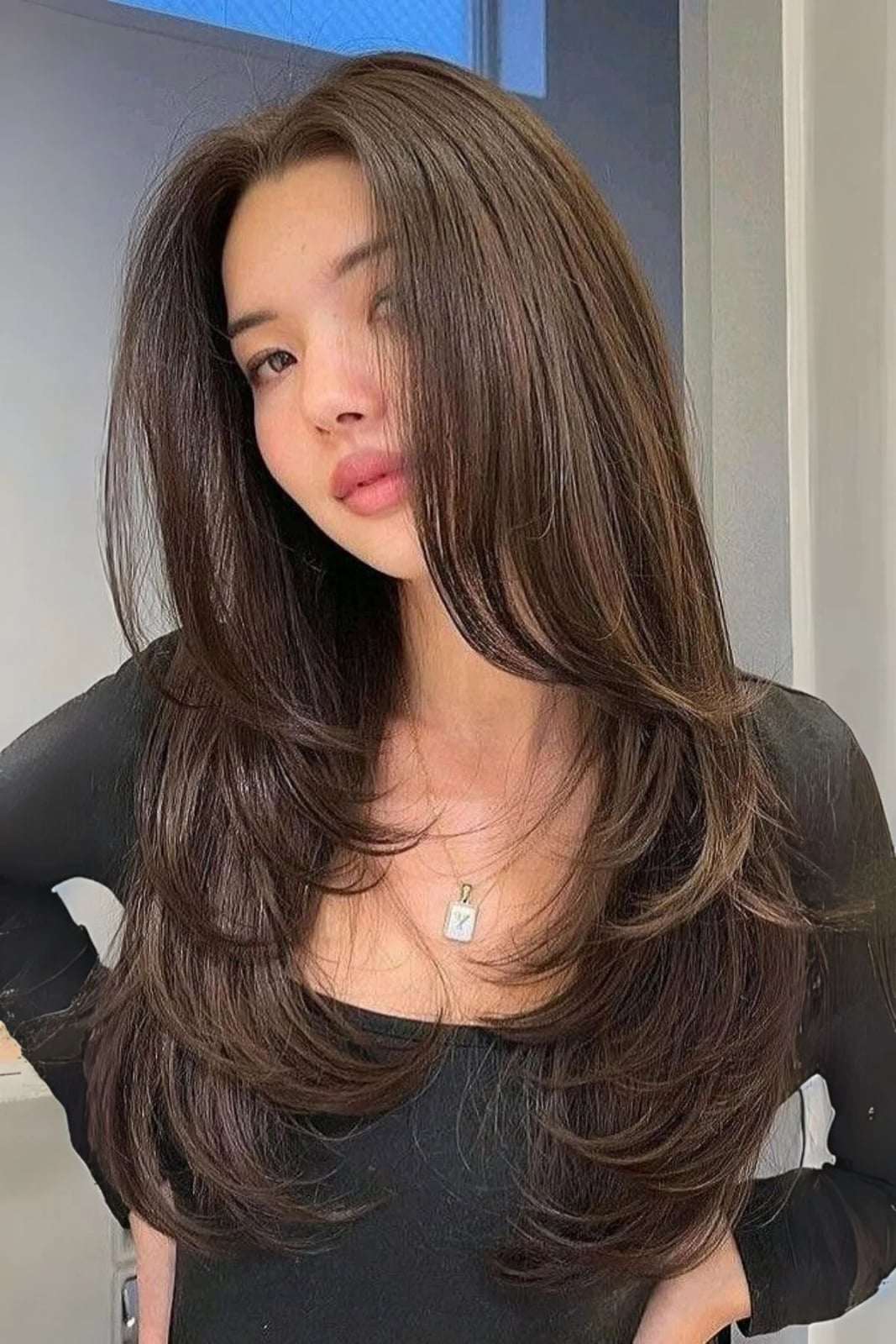
Long, straight hair with face-framing layers starting around the collarbone creates the voluminous effect here. The dark brown base carries subtle highlights that add depth without a stripy look. A middle part and blowout keep the finish neat. This suits fine to medium straight hair starting at collarbone. Choose a solid color or skip this style if you dislike layers. The layers lift the shape at the ends. A round brush during blow-drying builds fullness at the roots.
This works for the work week. The subtle highlights fade gradually, so you can stretch the time between color appointments. No bangs means the focus stays on the length and the soft layering.
Dark brown long sweeping layers with wispy face-framing pieces
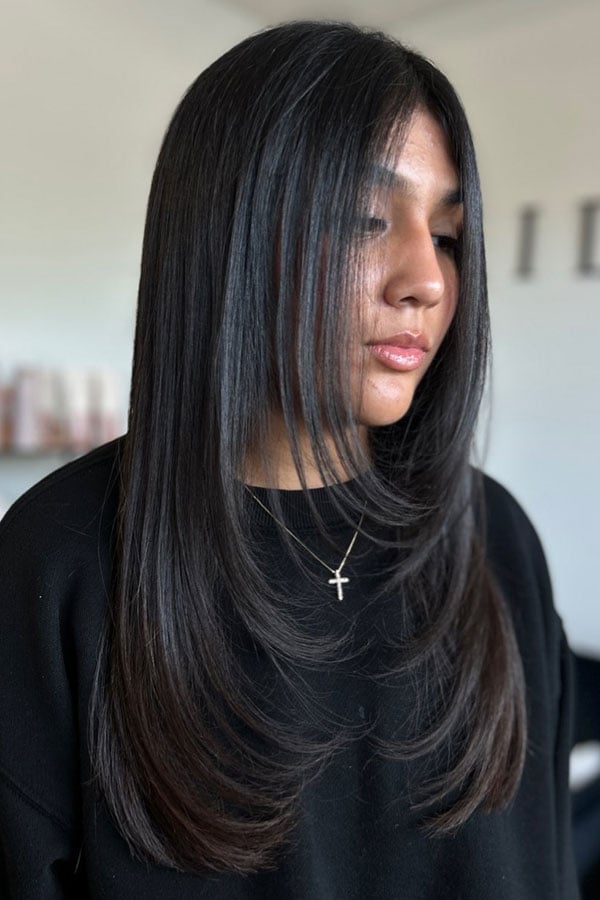
Long, sweeping layers keep the length at mid-back while the wispy face-framing pieces pull forward, softening the whole shape. The dark brown color stays uniform, and a blowout gives it that neat finish. Fine, straight texture carries these layers best. They add movement without removing bulk.
A blunt perimeter or zero patience for bangs means this cut is not the right choice. Tell your stylist: sweeping layers, wispy face-framing pieces. A round brush on the front sections keeps the shape honest.
Thick dark brown hair with face-framing layers, everyday version
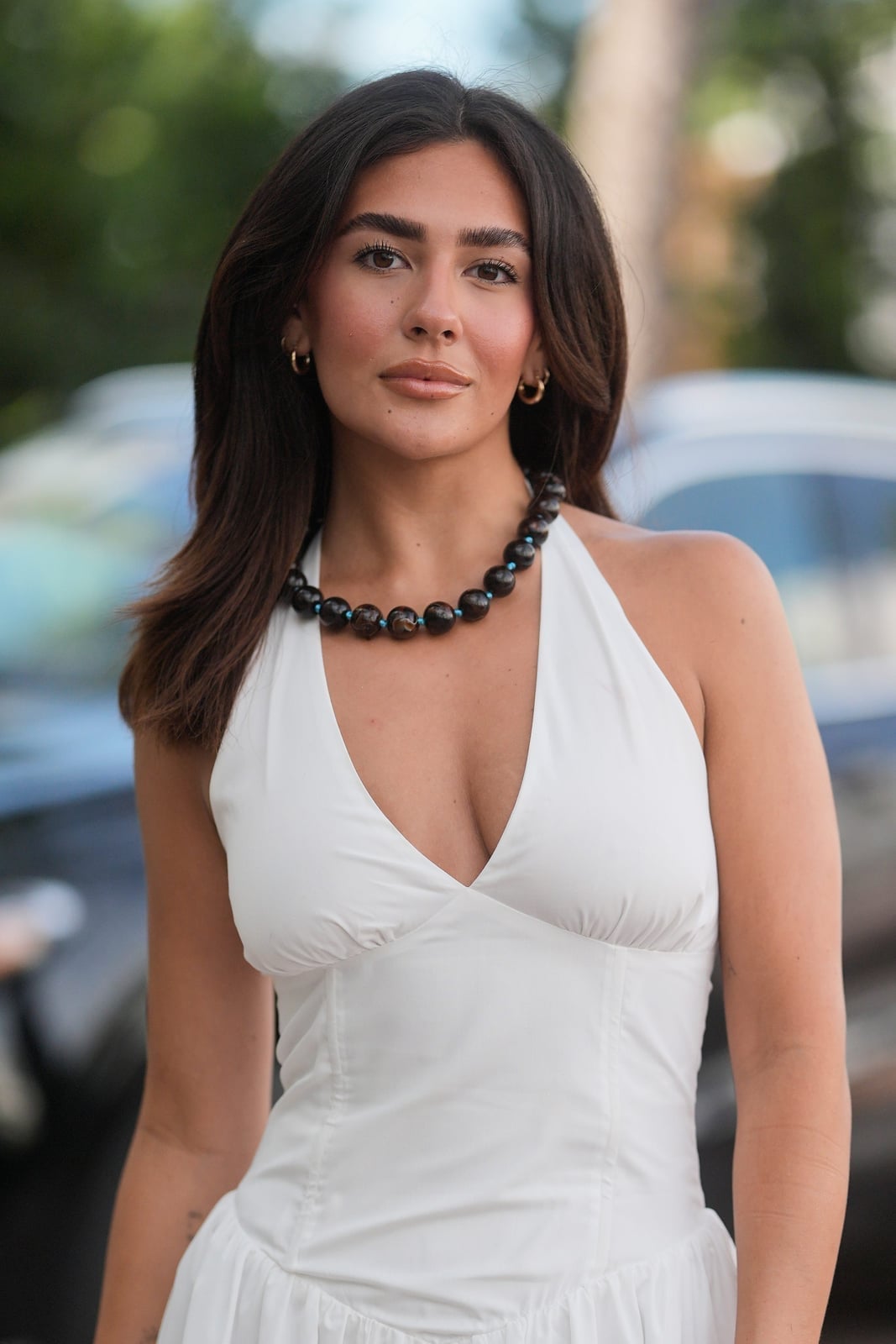
Face-framing layers that start around the collarbone change how thick, straight hair behaves. The front sections angle forward, breaking up the density without removing weight from the body. Dark brown color keeps the ends looking solid, and the middle part splits the volume evenly. No bangs here, the layers do the framing work alone. Thick texture holds the shape without extra product, but the cut requires precision to avoid a triangular silhouette.
Long layers with dark brown to blonde balayage
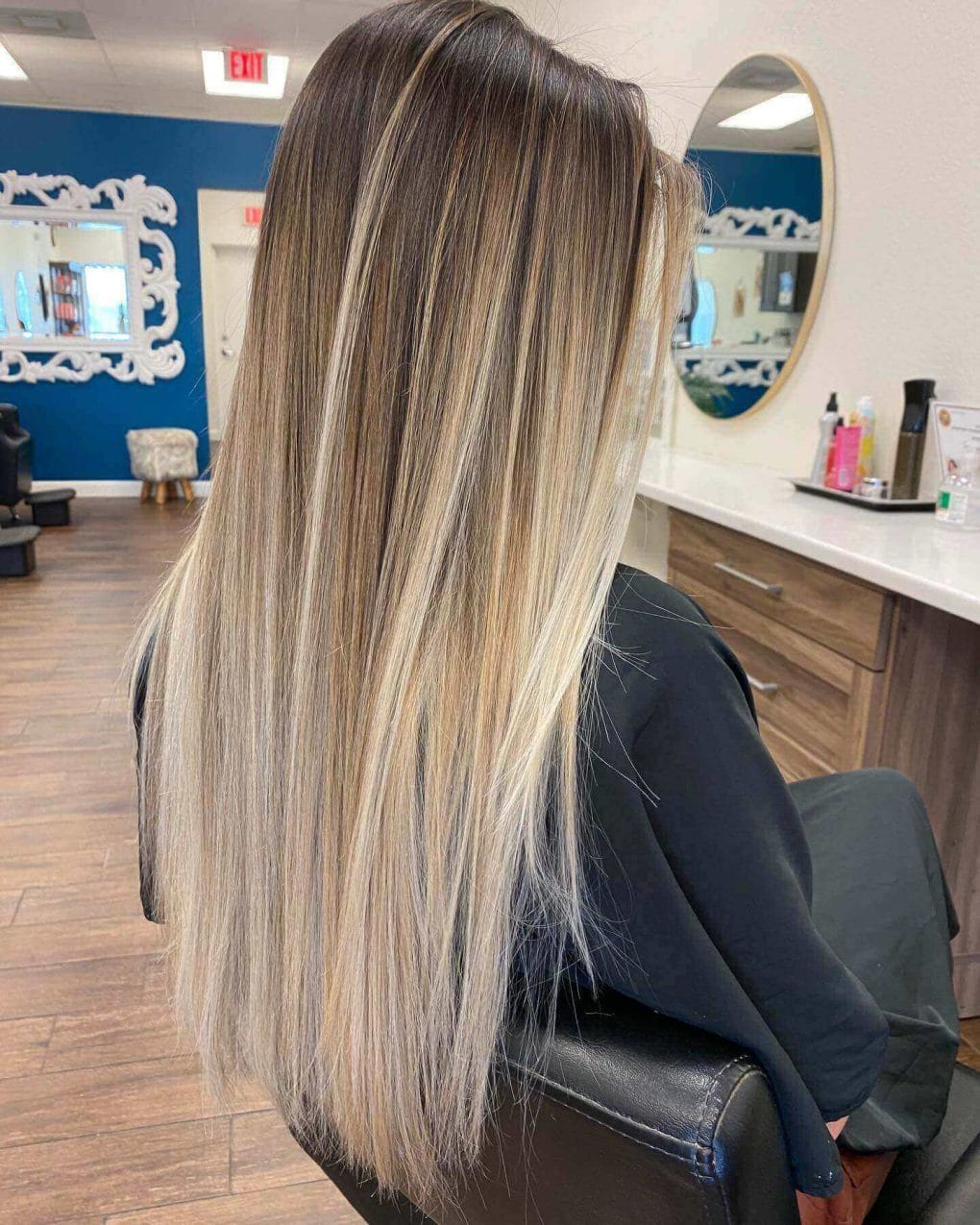
A dark brown root melting into a blonde balayage is a technique that builds itself. Long layers run through the length, keeping the shape airy while the color transition does the visual work. The middle part and air-dried texture let the ombré effect read clearly, no blowout needed. Fine, straight hair at collarbone length handles this best; the layers prevent the ends from feeling thin.
Ask your colorist for: long layers, dark brown to blonde balayage. The balayage requires skill, so expect a longer chair session. The payoff is a grow-out that does not need a root touch-up every month. A middle part shows off the gradient without effort.
Long layers with blunt bangs and dark brown color
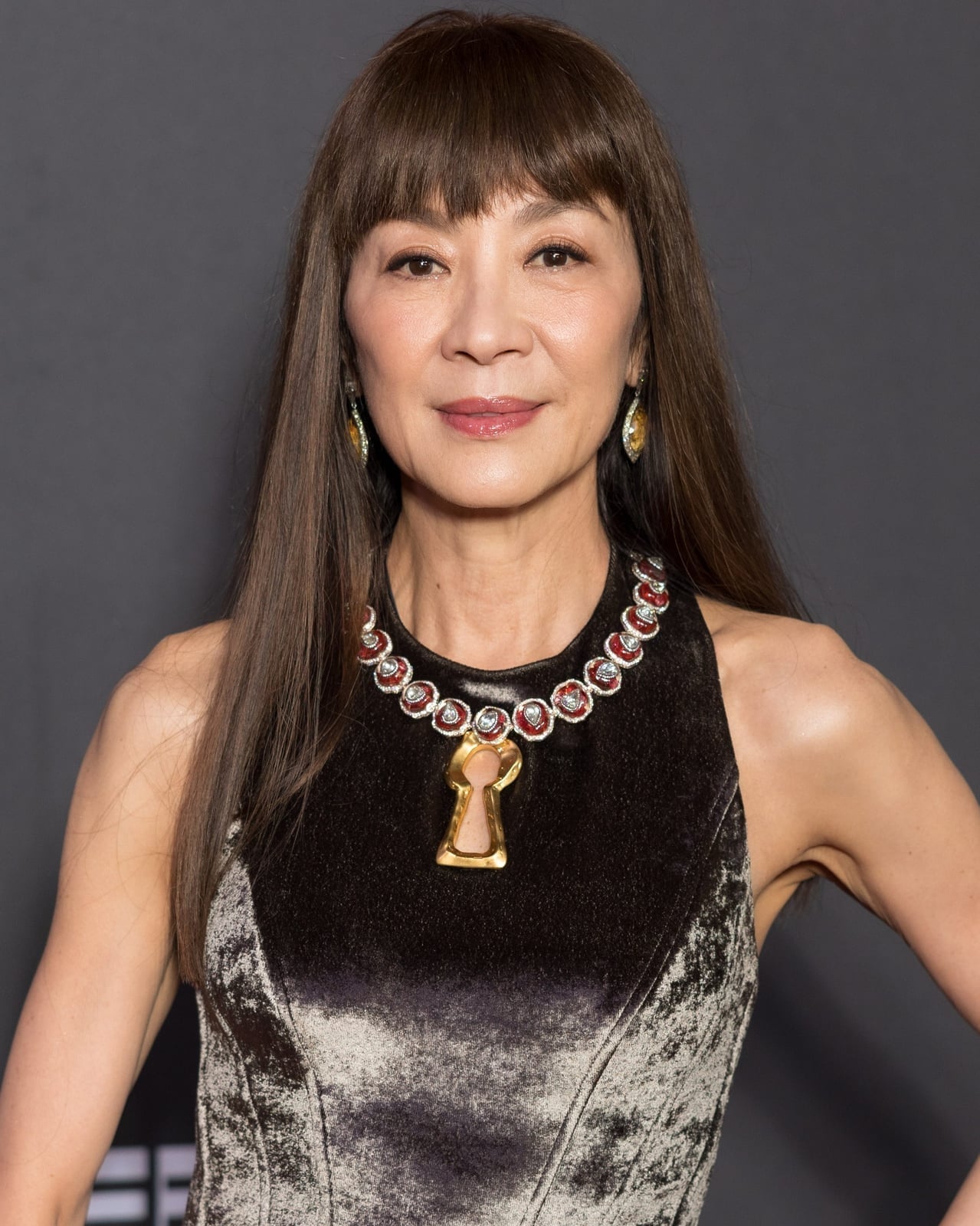
Blunt bangs covering the eyebrows change the whole equation. Pair them with long layers and a deep brown shade, and you get a look that looks deliberate. The middle part adds symmetry, while the fine, straight texture keeps the fringe from puffing. This is a salon-only cut. The bangs need a steady hand, and the layers need to land precisely at collarbone length. A DIY trim on blunt bangs rarely ends well. The fringe requires daily attention, but the rest of the hair can air-dry.
Dark brown layers with wispy bangs
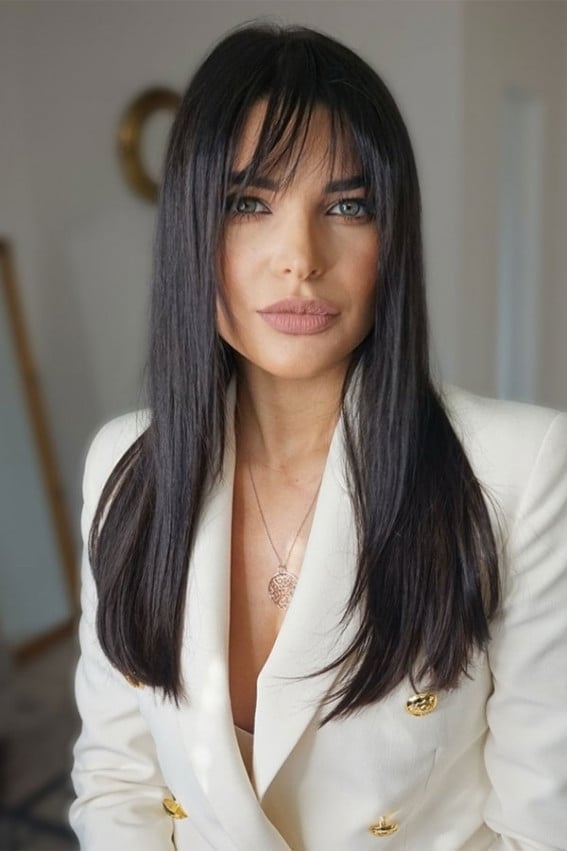
Wispy bangs are the lower-maintenance cousin of the blunt fringe. Here, they sit soft against fine, dark brown layers that hit collarbone length. The middle part and blowout keep the texture smooth, not stiff. Pass if you prefer no bangs at all. Ask your stylist for: layers, wispy bangs, dark brown. A quick blow-dry on the fringe sets the whole look.
Ash blonde layers with subtle highlights and face framing
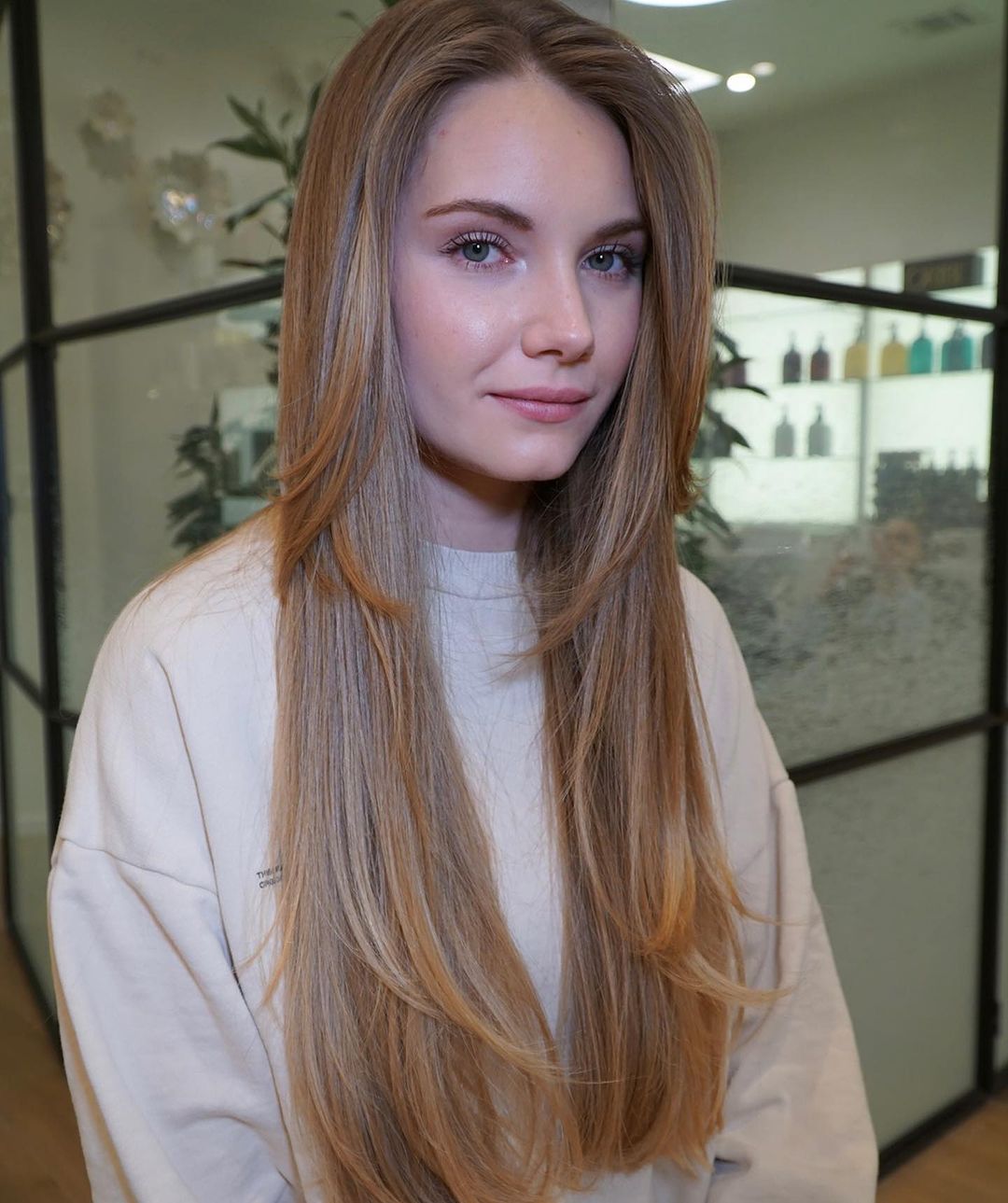
Face-framing layers need a starting length around the collarbone to show their shape. This ash blonde cut with subtle highlights uses a middle part and a blowout to keep the fine, straight texture from falling flat. The layers begin near the collarbone, so the lightest pieces land right at your jawline.
Pass if you prefer warmer tones or dislike the commitment of a layered cut.
Face-framing layers with dark brown and blonde balayage, blowout
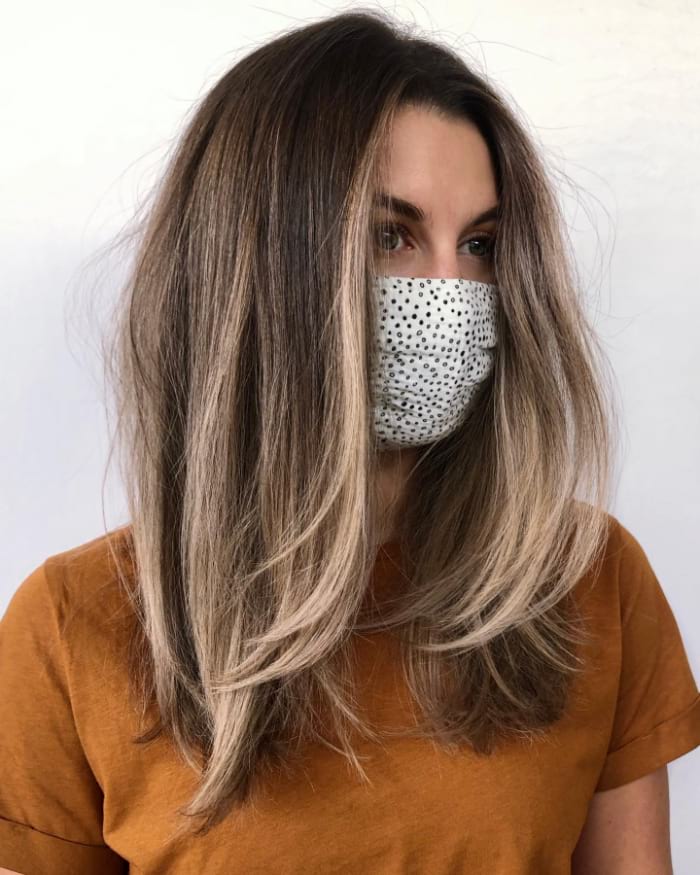
Blonde balayage against a dark brown base gives more depth than a solid lightener. The face-framing layers here start around the collarbone, with the balayage sweeping through the front pieces and the ends. A middle part and a natural blowout let the fine, straight texture show the color placement without looking overworked.
Compare it to a full highlight: balayage keeps the root darker and grows out softer, so you can stretch eight weeks between appointments. Pass when you prefer a single-process color or want more contrast at the roots. Tell your stylist: face-framing layers, dark brown with blonde balayage.
Very long straight dark brown hair with layers
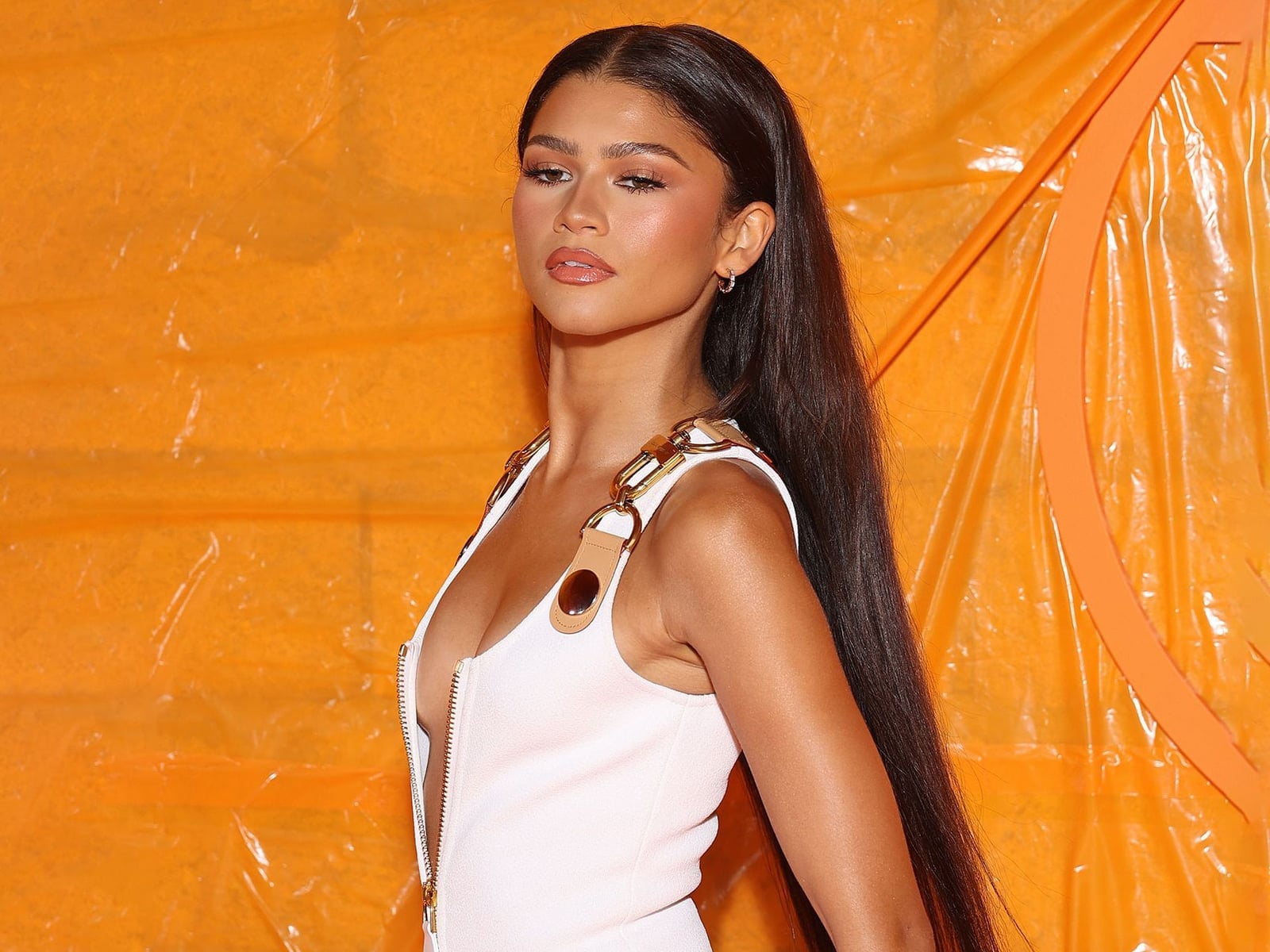
Extreme length needs a middle part and a slicked-back finish to keep the shape from looking stringy. The dark brown layers here are cut into the ends only, so the hair stays heavy through the top and mid-lengths. Fine, straight texture at this length requires professional heat styling to get the smooth, neat surface.
Warm blonde blunt bob with subtle highlights
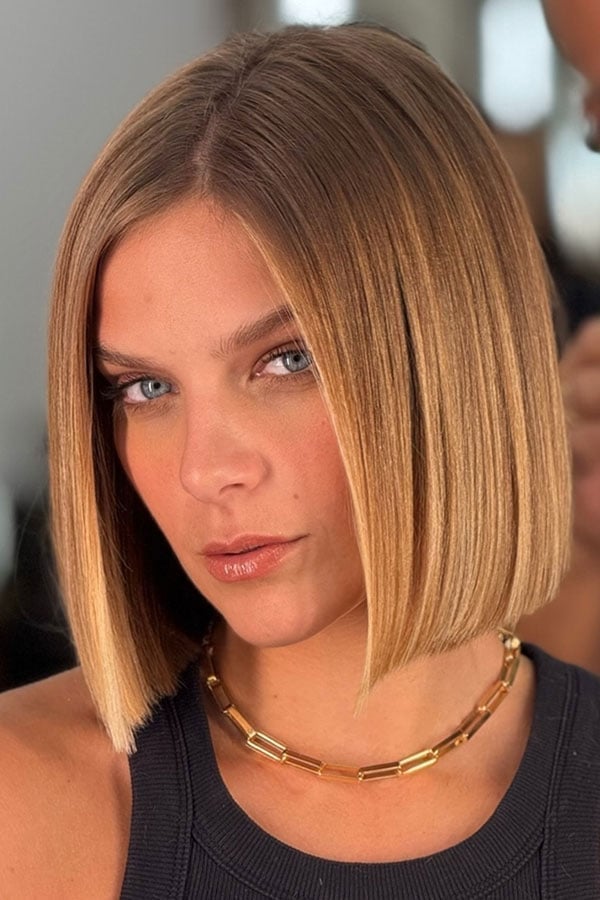
A blunt bob works because the ends are cut to a single, sharp line. This warm blonde version with subtle highlights uses a middle part and a sleek blowout to emphasize the precision. Fine, straight hair holds the shape best, since the cut relies on clean edges rather than texture or volume. No bangs means the line falls uninterrupted from the crown to the jaw. The decision: it suits oval and heart faces best, but skip it if you prefer cool blonde tones or need a cut that hides a cowlick at the front hairline.
Dark blonde hair with lighter highlights and sleek, close-up take
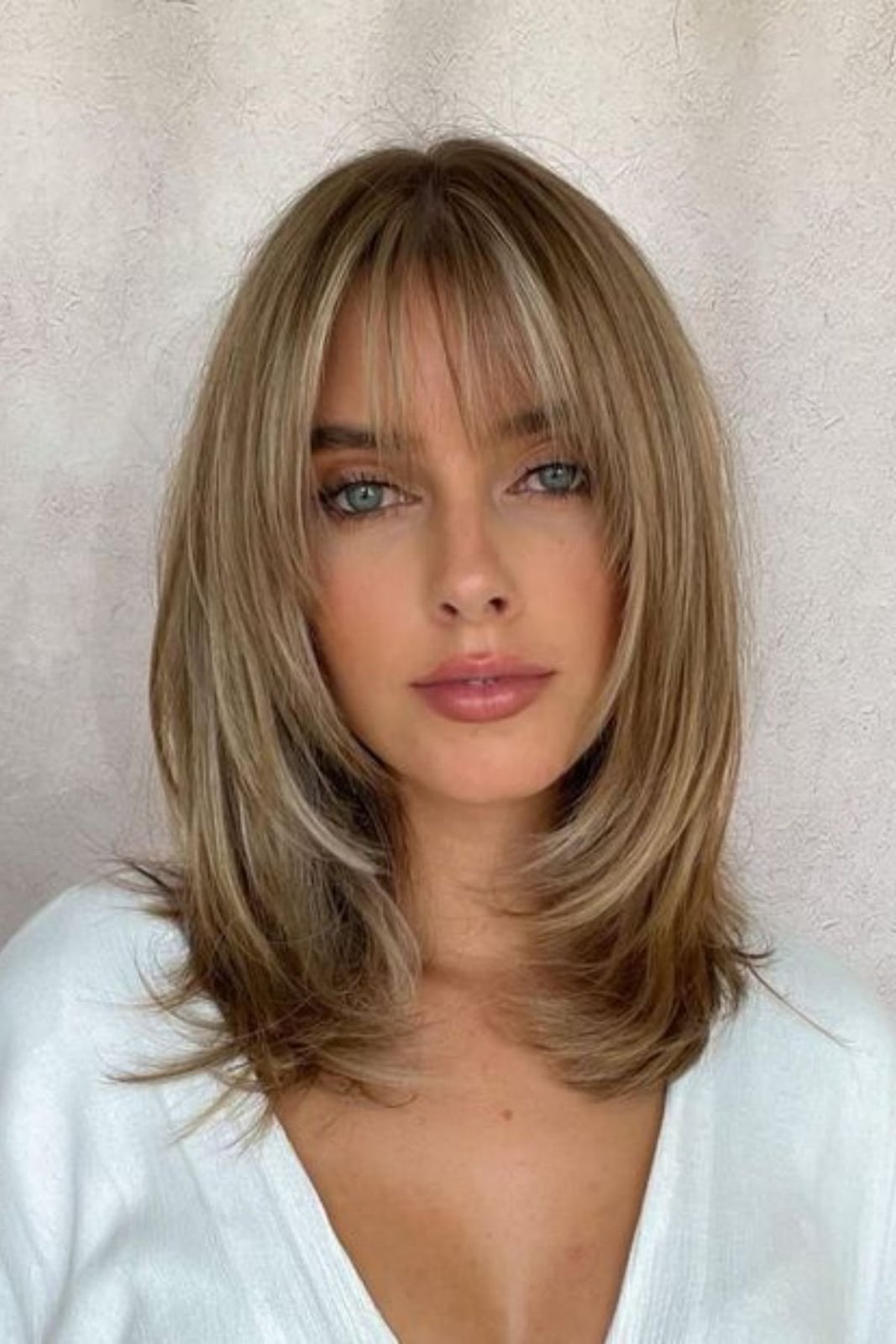
Lighter blonde highlights against a dark blonde base look natural contrast, not a dramatic change. The layers here frame the face and keep the fine, straight texture from lying too flat. Curtain bangs soften the line at the forehead, blending into the face-framing pieces. A middle part and a smooth blowout pull the look together for work or an evening event. Tell your stylist: long layers, dark blonde with lighter blonde highlights, sleek finish.
Final Thoughts
Choose based on your hair’s natural density and the time you dedicate to styling.
- Fine hair: blunt cuts and minimal layers add weight and shine.
- Thick hair: long layers remove bulk and keep the shape.
- Cool base that pulls brassy: schedule toner every 4-6 weeks.
- Ten minutes in the morning: skip the fringe and keep one length.
Find the straight style that suits your life and hair type.