You are scrolling photos of thick hair again, wondering if your fine strands can pull off that cut. The answer is yes, but the shape needs to work with your density, not against it. A blunt line, a soft layer or a well-placed fringe changes how your hair behaves from the moment you leave the chair.
Gorgeous Fine Hair 2027 fills 34 saved boards because it proves the point: low-upkeep cuts, salon precision and air-dried looks all belong here. The collection runs from structured bobs to shags, from pixies to loose waves. For fine hair that needs volume and a shape that holds past lunch, this is the set to save.
Platinum blunt bob with a deep side parting
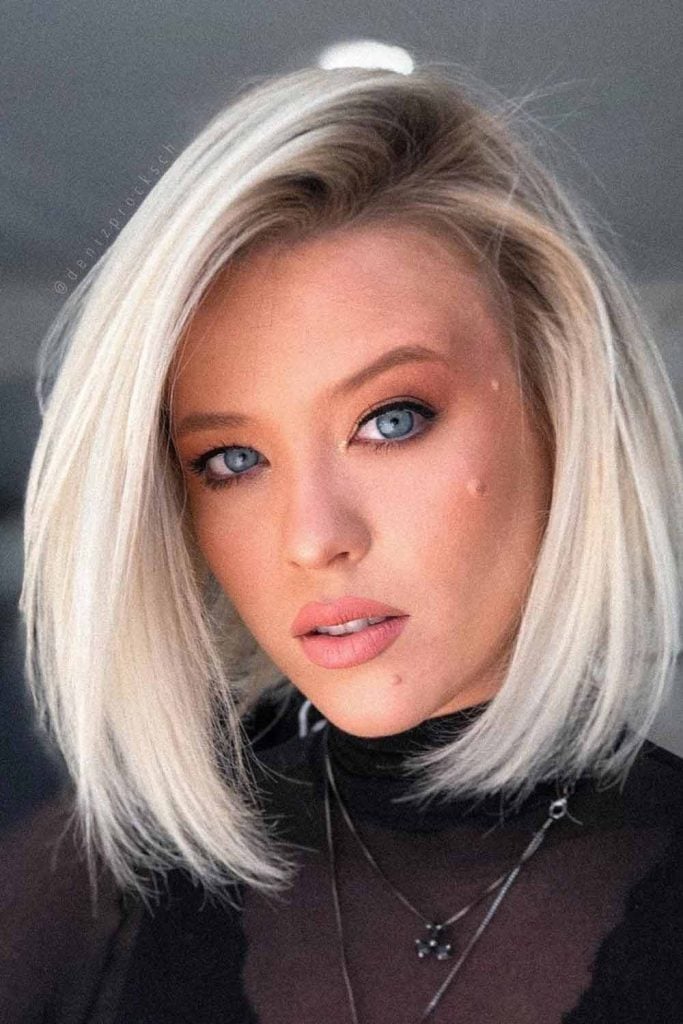
Platinum blonde with visible dark roots against a sharp blunt bob gives a high contrast look. The deep side parting shifts the weight so the straight, fine texture falls in one clean sheet. No bangs means the eye travels the full length from root to edge. Ask your stylist for: a blunt bob with a deep side parting and platinum blonde with dark roots. Suits fine, straight hair that holds a crisp line. This cut requires precision cutting and salon upkeep.
Blunt cut lob for a neat, grown-up look
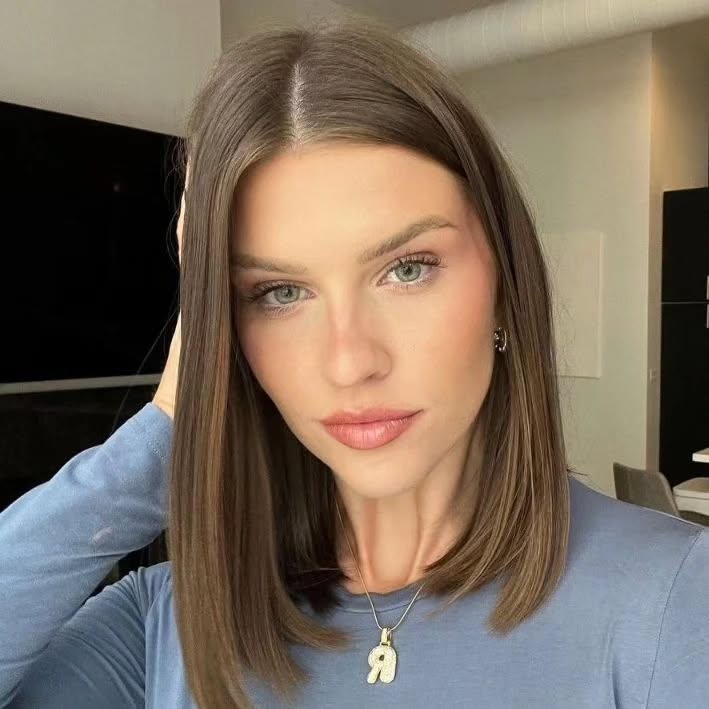
A blunt cut lob keeps every strand at the same length, so the shape depends entirely on the cut line. Dark brown with subtle blended highlights adds depth without breaking the silhouette. The straight blowout and middle part let the sharp blunt ends do the work. Suits fine, straight hair that can hold a blunt shape. It works best for fine, straight hair that can hold a blunt shape.
Long layered hair with curtain bangs for soft movement
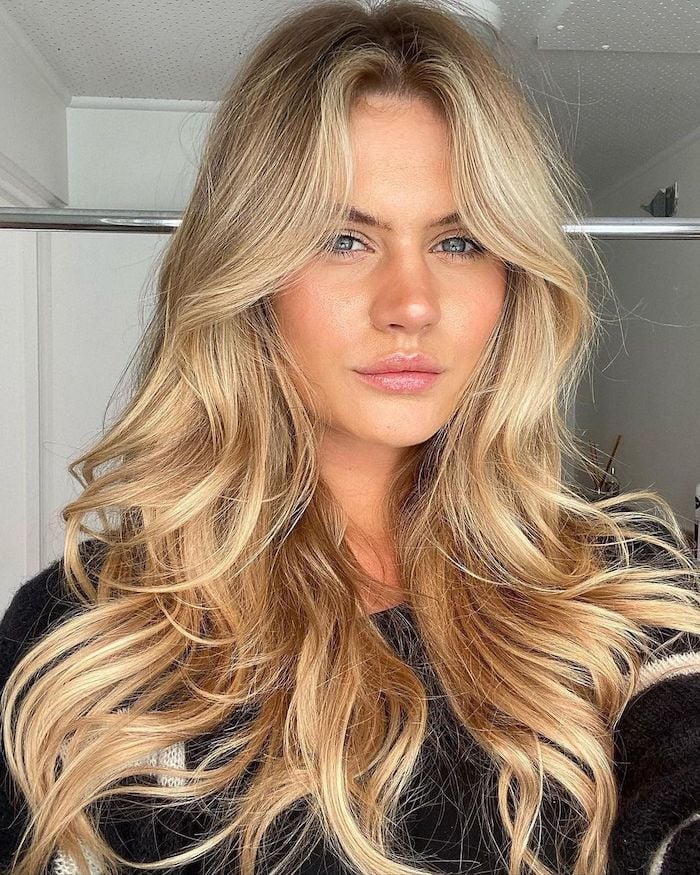
Is this the one haircut that makes fine, wavy hair look fuller without a shorter length? Yes, when the layers are cut long and the curtain bangs are the star. The ash blonde base with subtle lighter highlights keeps the color from falling flat. Middle-parted bangs frame the face while the voluminous blowout and soft waves create the movement fine hair needs.
Curtain bangs require a trim every six weeks to maintain their shape and length. Use a round brush for blowouts to keep the lift at the crown. Suits most face shapes.
Face-framing curtain bangs on long fine hair
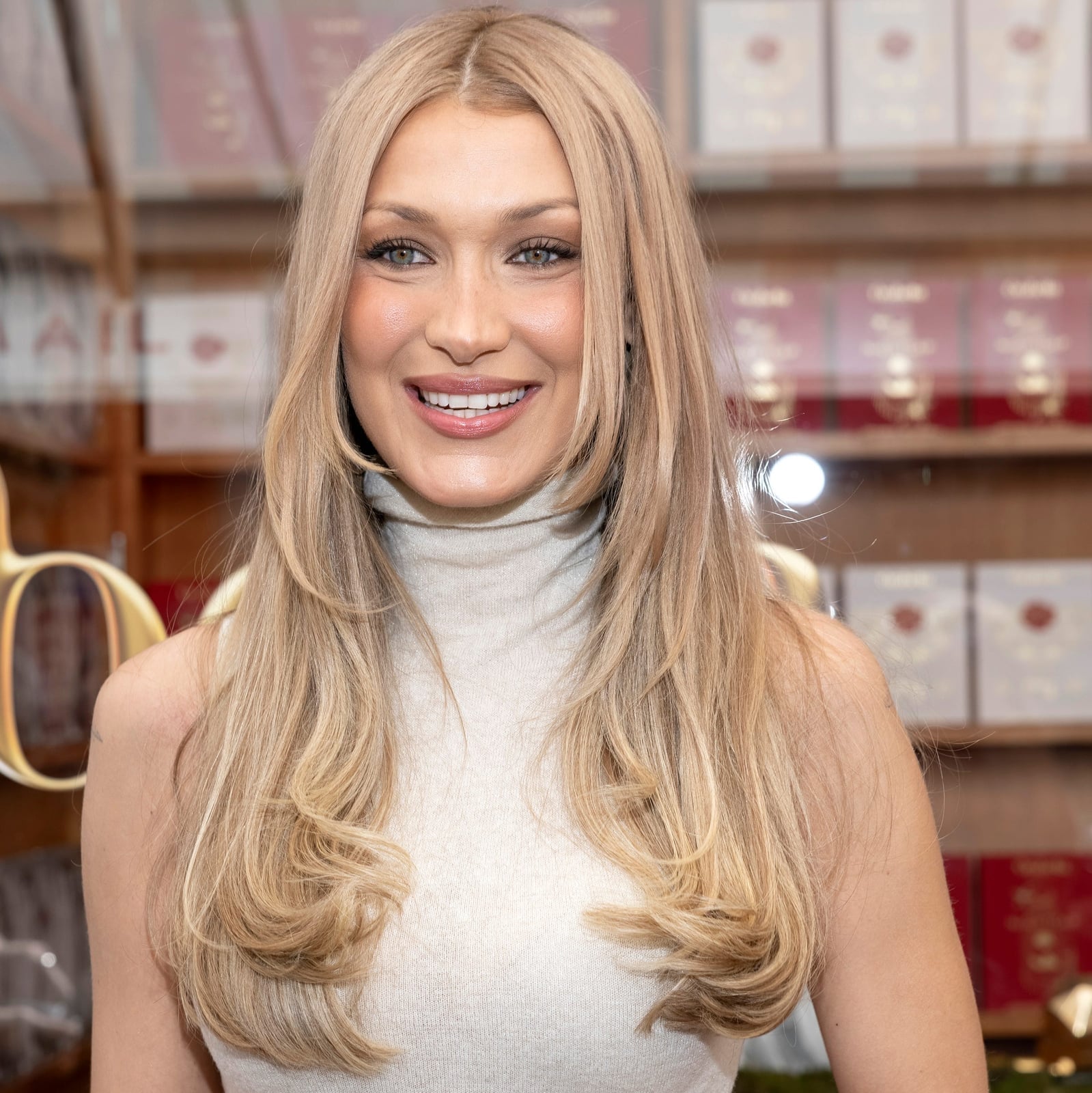
Curtain bangs that start at the cheekbone and feather outward change how long fine hair reads. The ash blonde base with lighter highlights keeps the color from pooling into a single flat sheet. A middle part lets the bangs open like a curtain, exposing the forehead while the longest pieces blend into the subtle layers below. The blowout with soft waves gives the straight fine texture enough bend to hold the shape past noon.
Request from your tech: long layers, curtain bangs, ash blonde with highlights, blowout with waves. The bangs need a round brush and a quick dry every morning. A trim every four to six weeks keeps the feathering from becoming a solid line. Curtain bangs long fine hair works when the layers stay soft and the parting stays center.
Dark brown face-framing layers with subtle auburn highlights
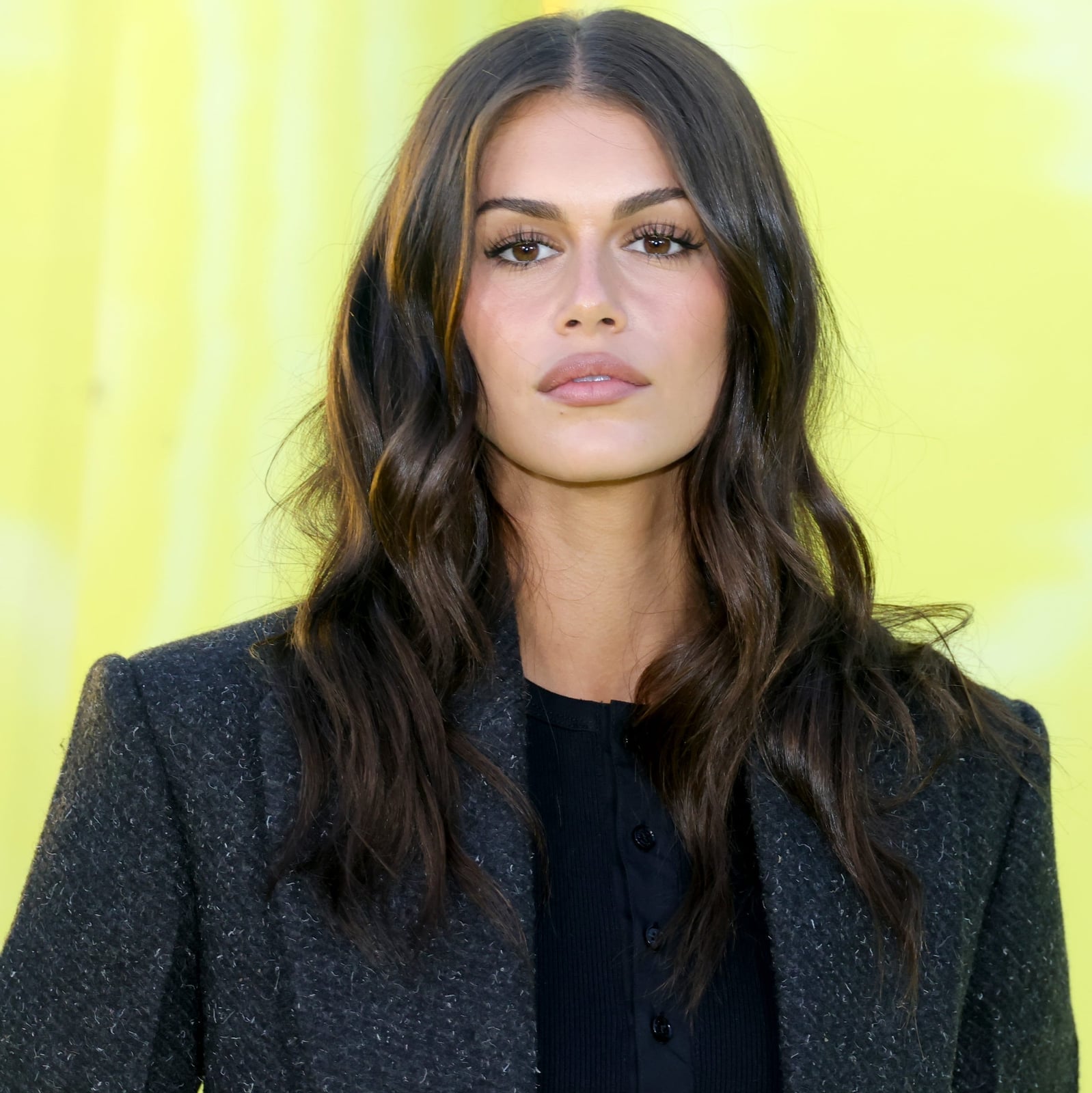
Long layers cut into dark brown fine hair create shape without sacrificing length. The subtle auburn highlights run through the front sections, catching light when the hair moves. A middle part keeps the weight balanced, and the loose waves give the fine texture enough grip to hold the bend.
The drawback is the waves themselves. Fine hair needs a curling iron or set rollers to hold a loose wave past a few hours. Air-drying here produces a softer, straighter result. The cut still works, just not with the same shape.
Angled bob with waves and a side parting
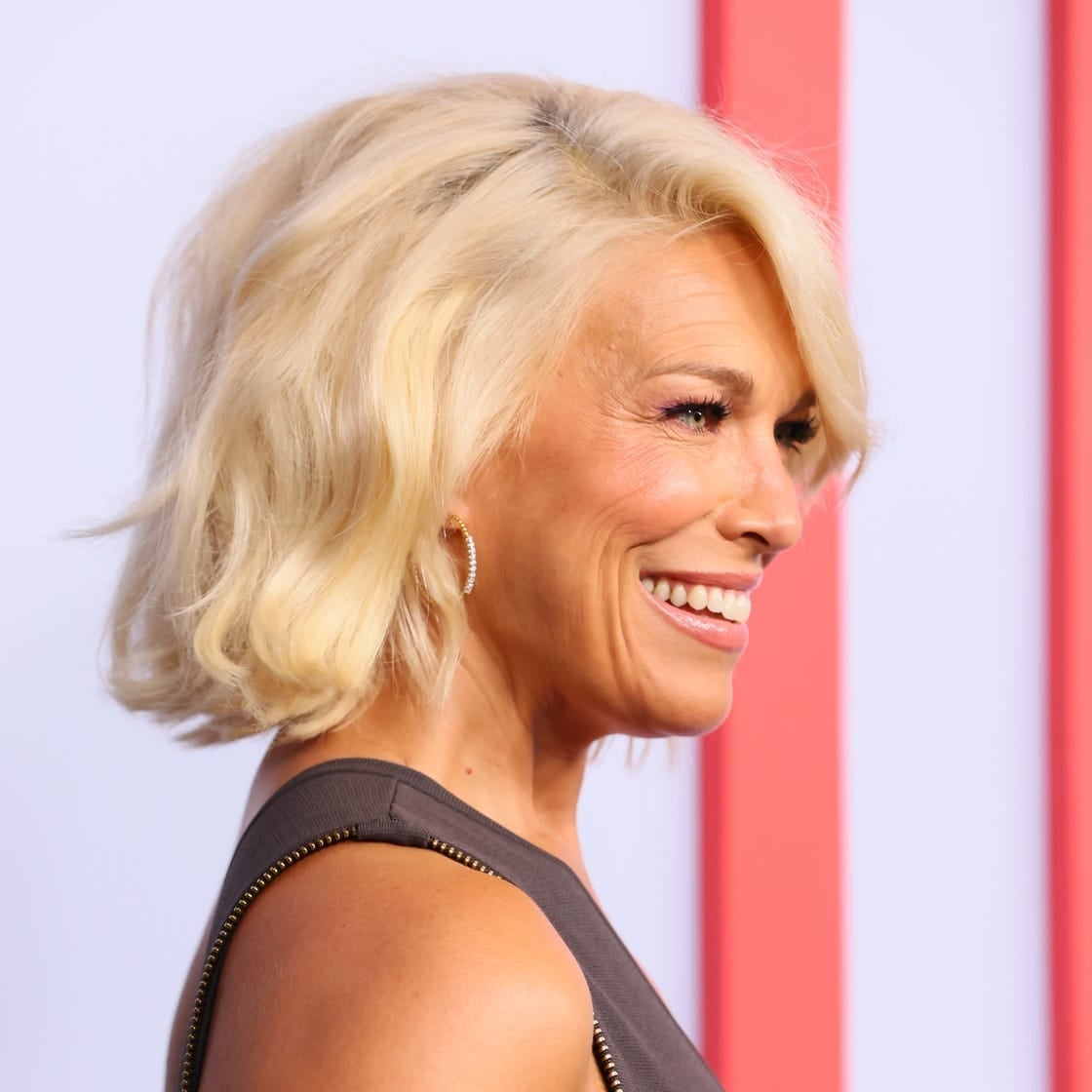
An angled bob builds its architecture from the nape up, each section a fraction longer as it reaches the chin. The side parting shifts the weight to one side, so the shorter back stacks under the longer front without a blunt line. Tell your stylist: angled bob, side part, soft waves. Platinum blonde on fine wavy hair works because the lightness looks texture, not bulk.
Blonde bob with dark roots and a side parting

Compared to a solid single-process blonde, this bob lets the dark root sit like a deliberate shadow. The side parting and subtle waves keep the shape soft. Fine hair holds the wave longer when the bob lands just above the shoulder. That root needs a touch-up every four weeks. It works best for those who want contrast at the roots.
Fine hair angled bob with subtle dark roots
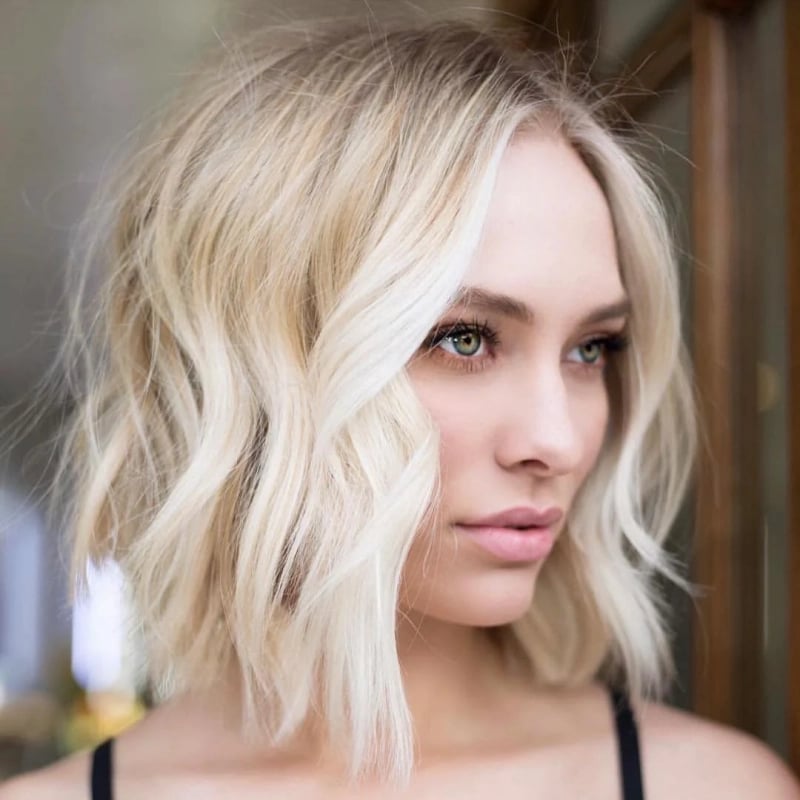
The angled bob here uses layers cut into the front sections, not the back. Those short interior layers catch the wave and turn it into lift. Platinum blonde with a dark root shadow gives the fine texture a grounded feel, like the color settled rather than floated on top. The side parting breaks the symmetry, so the eye travels down the longer side instead of stopping at the jaw. Wavy fine hair needs that directional pull; otherwise the shape looks a wedge.
Layers stop where the angle drops. No bangs, no extra weight around the face. The cut does the work.
Layered bob with face-framing layers and darker roots
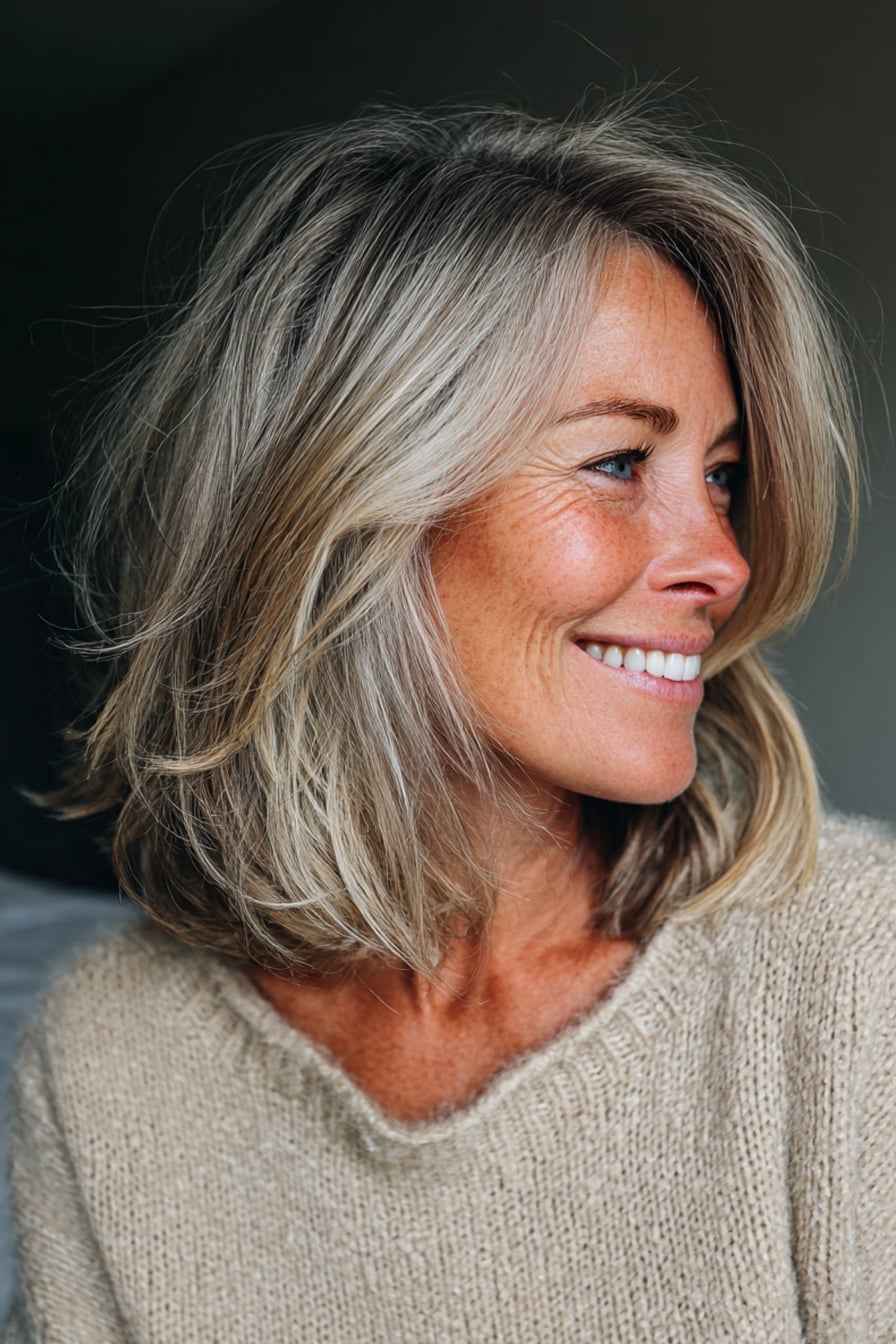
Face-framing layers on a bob run from the cheekbone to the chin, softening the perimeter without losing the bob’s weight. Ash blonde with darker roots keeps the fine texture from looking washed out. The catch: fine hair can disappear into too many layers, so the stylist keeps the interior cuts wide. Request from your stylist: layered bob, face-framing layers, ash blonde with darker roots.
Shag haircut for easy volume and movement
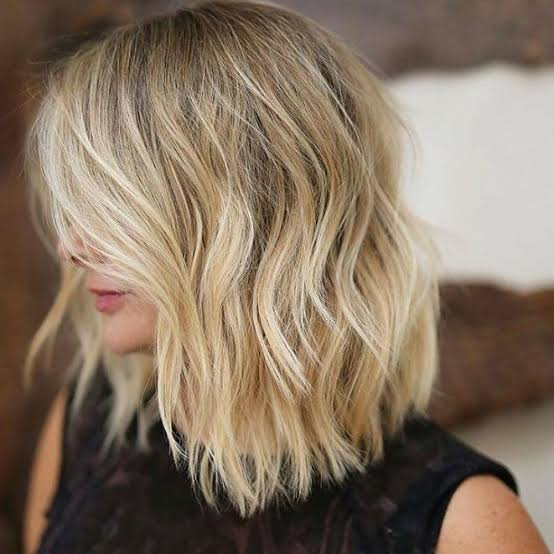
A shag versus a layered cut: the shag uses choppier sections and curtain bangs that blend into the first layer. Fine wavy hair takes the texture better than straight fine hair because the wave holds the separation. Ash blonde with thin lighter strands runs through the mid-lengths, not the ends. Air-dried with a texture spray, the shag lands somewhere between styled and slept-in. Skip it if you reach for a flat iron every morning.
Dark brown shag with curtain bangs and auburn highlights
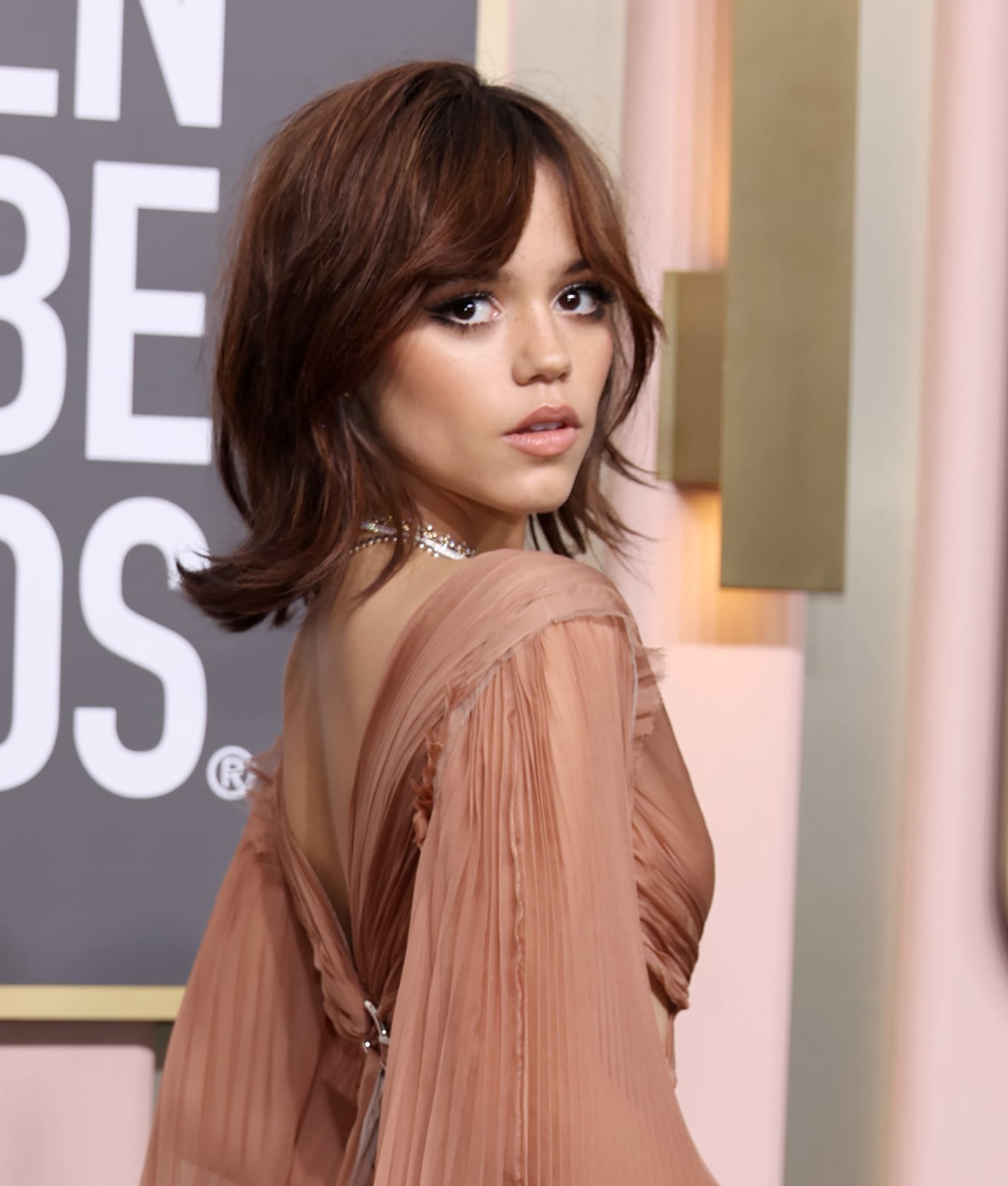
Curtain bangs that start at the cheekbone and feather outward are the real workhorses here. On a shag cut with fine, wavy texture, those face-framing pieces keep the eye moving rather than settling on thin spots. The dark brown base gets subtle auburn highlights woven through the mid-lengths and ends, not the roots. That placement stops the color from looking heavy. Air-dried waves mean the texture does the lifting, not a round brush. A single, uniform shade is not the goal; the auburn pieces need a colorist who understands placement, not just a single-process bowl.
Ask your colorist for dark brown with subtle auburn highlights, placed to catch the wave bends. The shag layers and curtain bangs are the cut side of the equation. A texturizing cream on damp hair, then air-dry. No diffuser required.
Modern shag with curtain bangs and fine highlights
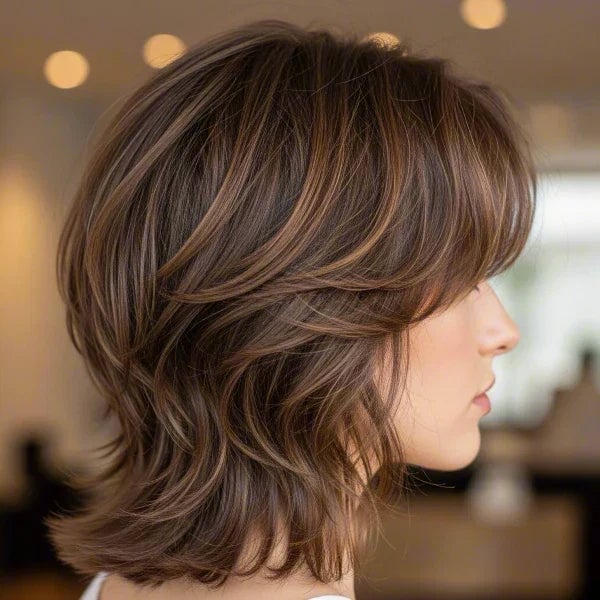
Does this shag hold its shape past day one? It does, if the layers are cut with fine hair in mind. The dark brown base gets fine highlights, fine, not chunky, that run through the curtain bangs and the face-framing layers. The blowout with soft waves gives it a neat finish, but air-dry works just as well with a texturizing spray.
Dark brown shag with choppy layers and wispy bangs
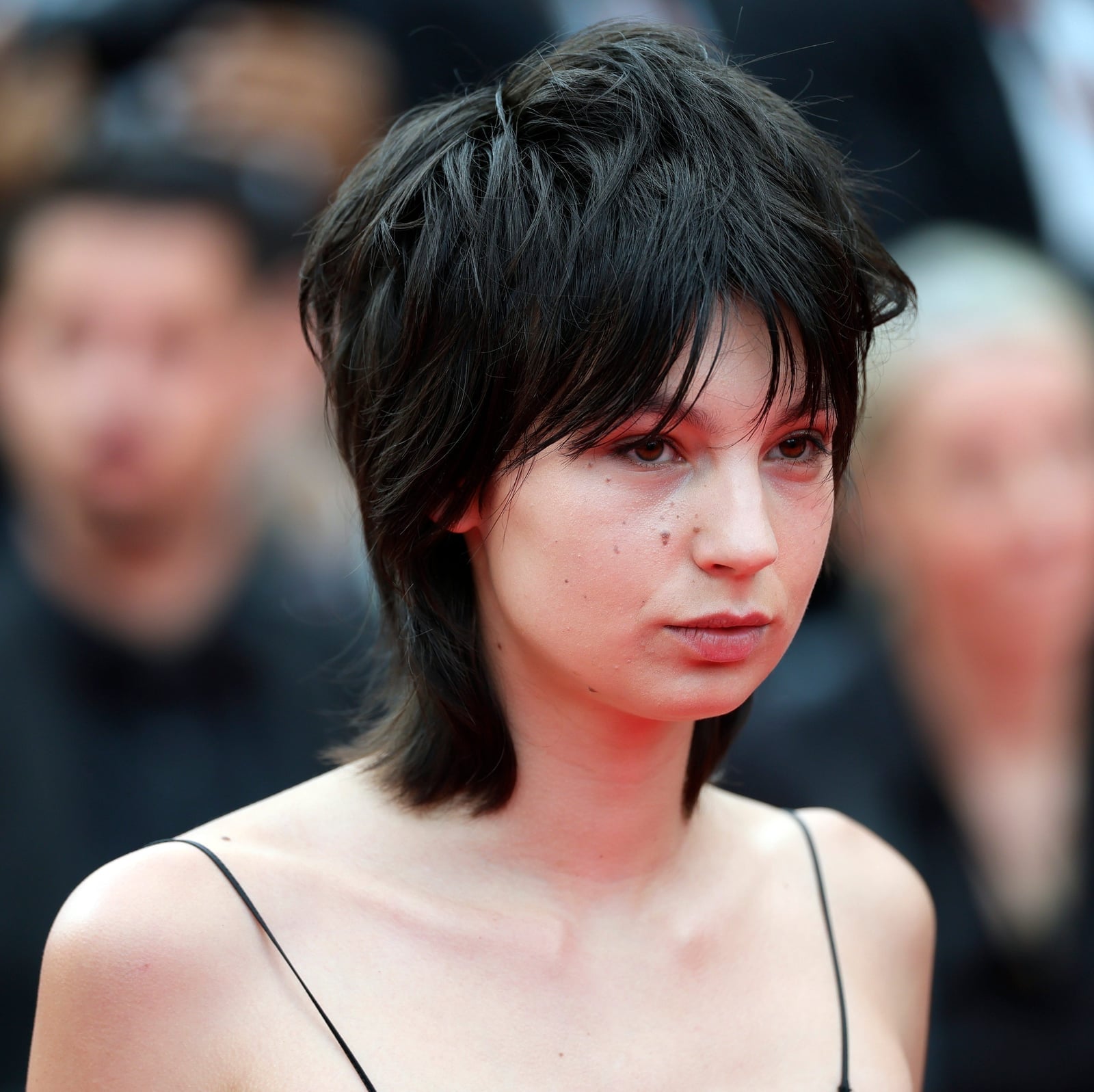
Choppy layers on a shag cut create the kind of texture that makes fine, wavy hair look like it has twice the density. The wispy bangs here are cut with a center parting, feathered so they barely graze the brows. That lightness is the whole point. The catch: wispy bangs on fine hair can disappear into the rest of the cut if the stylist takes too much weight out. They need to stay distinct, not blend into the forehead layers. The dark brown shade keeps it low-maintenance; no root touch-up schedule to track.
Request from your stylist for a shag with choppy layers and wispy bangs that stay separate from the rest of the cut. Air-dried styling is the default here, a sea salt spray on damp hair, then hands-off. The middle parting does the rest.
Choppy bob with side-swept bangs and air-dried texture
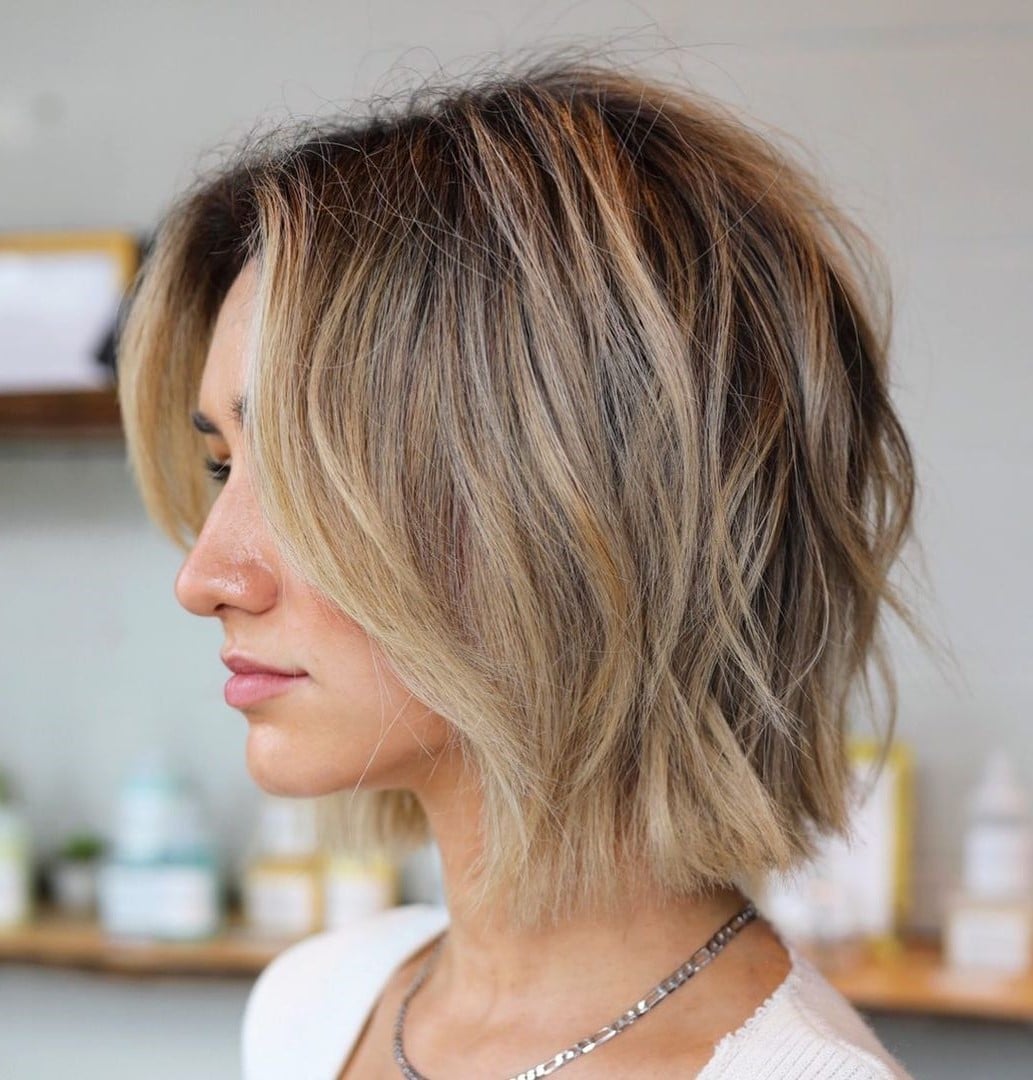
Side-swept bangs on a choppy bob shift the visual weight off a center line. The bob has layered choppy sections that stop it from landing as a solid block, which matters for fine, wavy hair that can look flat in a blunt cut. The dark blonde base has lighter highlights, not a full highlight weave, just a few pieces that catch the wave bends. Air-dried texture means it dries without a round brush; a scrunch with a towel and a texture spray are the only tools.
Easy choppy bob with loose waves for fine hair
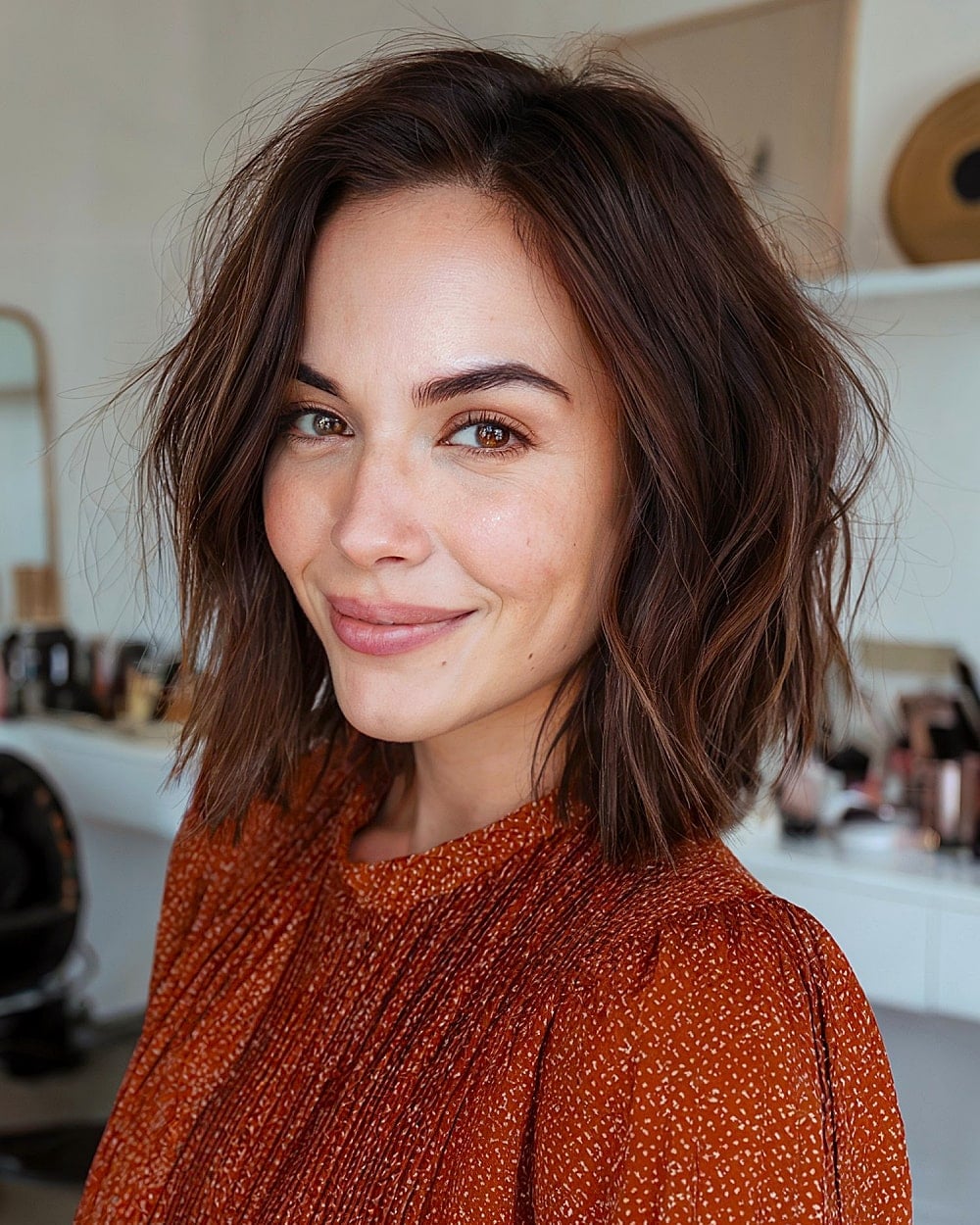
A choppy bob with a middle parting and a blunt bob are cousins, not twins. The blunt version needs perfect symmetry; this one relies on loose waves and auburn undertones in the dark brown base to create the shape. The choppy layers keep the ends from stacking into a heavy line, so fine, wavy hair moves instead of sitting still. No bangs here. The middle parting and the waves do the framing. A texturizing spray on damp hair, then air-dry with a few finger-combs. That is the routine. Request from your stylist for a choppy bob with layers and a middle parting.
Chin length bob with textured ends for lived-in feel
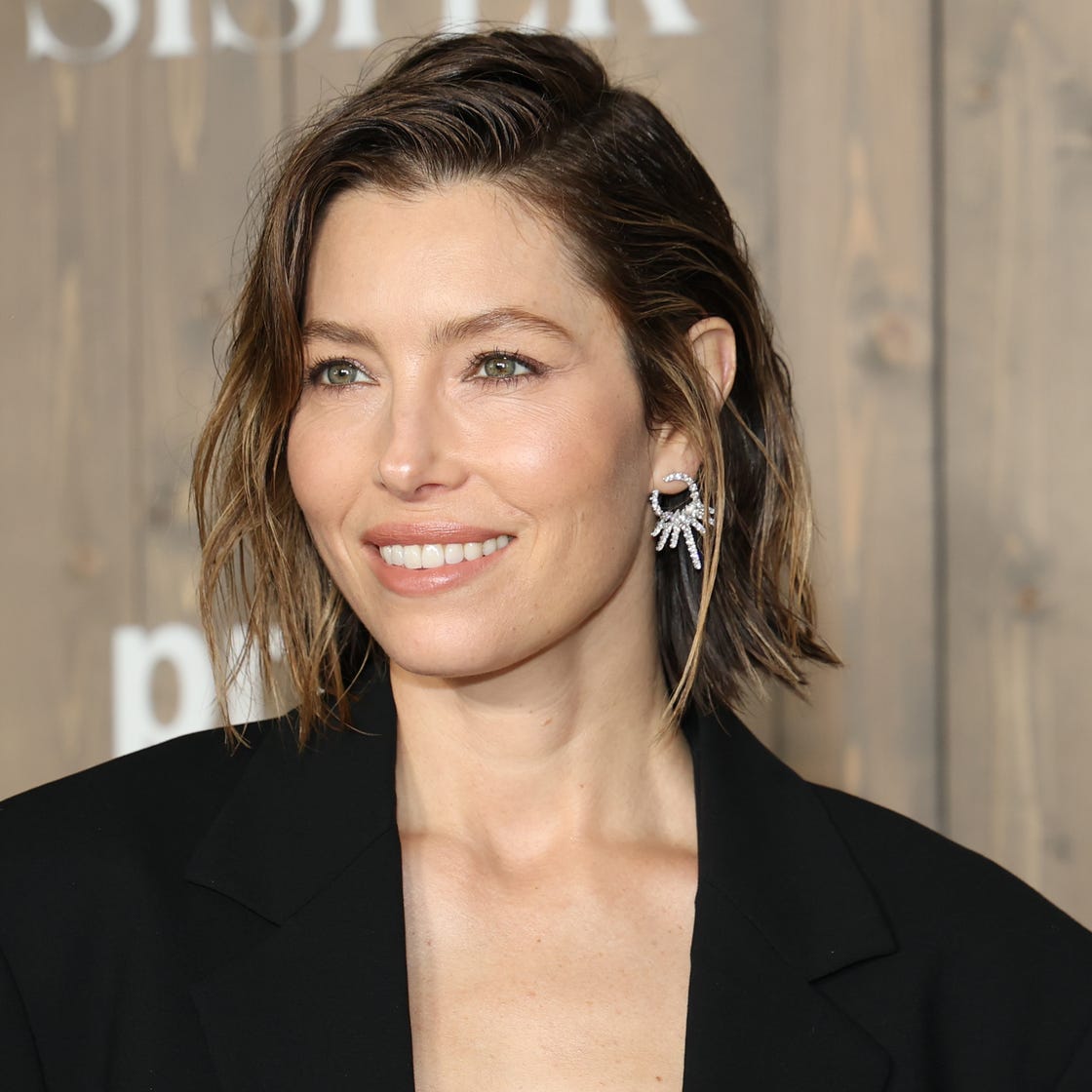
Textured ends on a chin length bob change how it wears across a week. The subtle highlights create depth that catches low light, while the side parting and air-dried waves keep it from looking too set. Fine, wavy hair gains body from this cut. Skip it if you prefer a neat, sleek finish. A sea salt spray after washing keeps the ends from going flat.
Sharp blunt bob styled poker straight
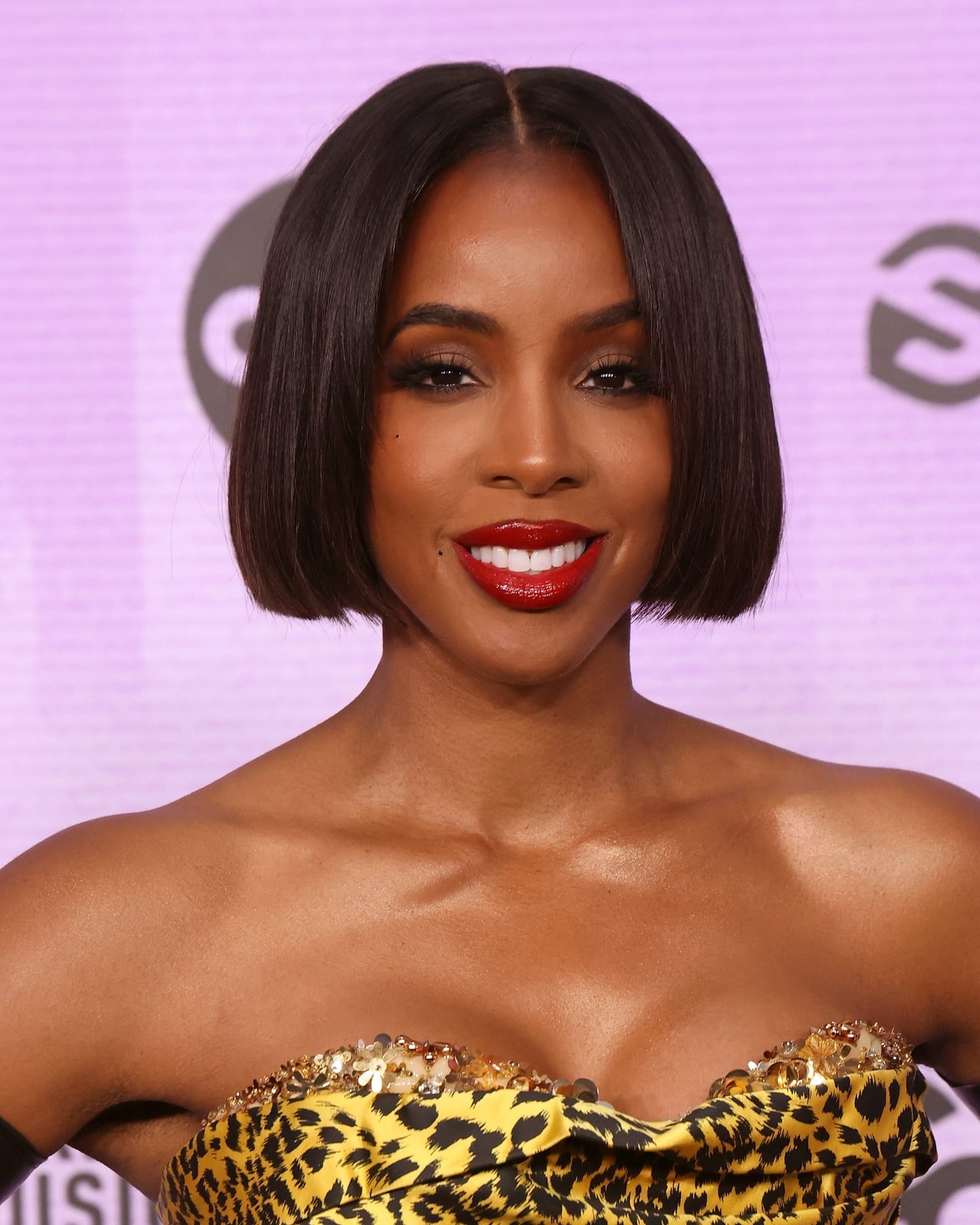
A blunt bob versus a layered one: the difference is all in the line. This cut uses a middle part and poker straight styling to make the edge the focal point. Dark brown fine hair looks dense when every strand hits the same length. No bangs, no softness, just a single sharp outline. The straight fine texture holds this shape for about two days before it needs a quick pass with a flat iron.
Not for anyone with natural wave or curl at the root. The blunt edge will tilt unevenly if the hair does not cooperate. Request from your stylist for: sharp blunt bob, middle part, poker straight styling.
Dark brown blunt bob with subtle blonde highlights
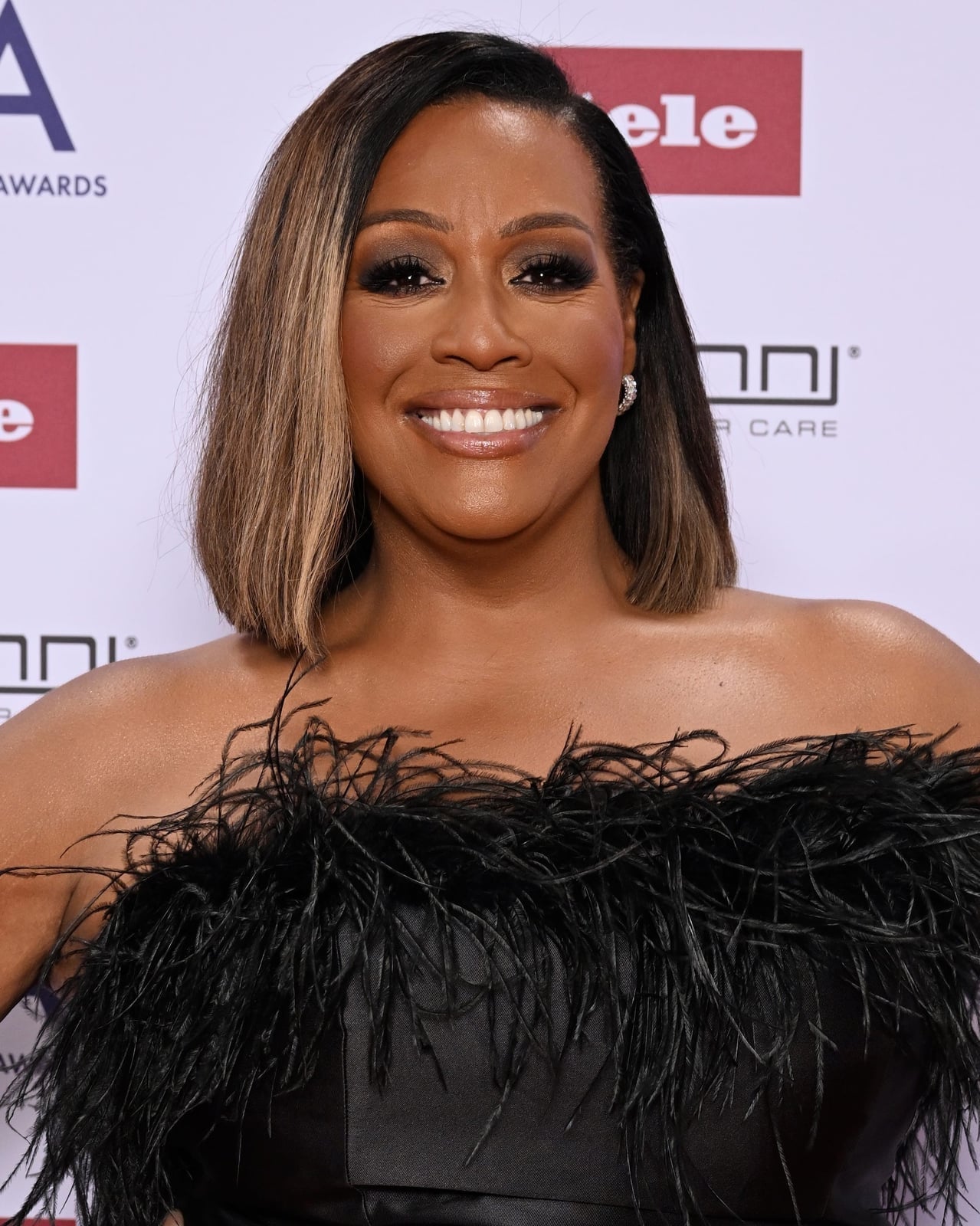
A blunt bob on fine hair needs a straight blowout and a side parting to show off the cut line. Dark brown base with subtle blonde highlights adds depth without weight. The drawback: fine strands need regular trims to keep the blunt edge from looking stringy. Skip it if you want movement at the ends.
Short layered ash blonde bob with pink undertones
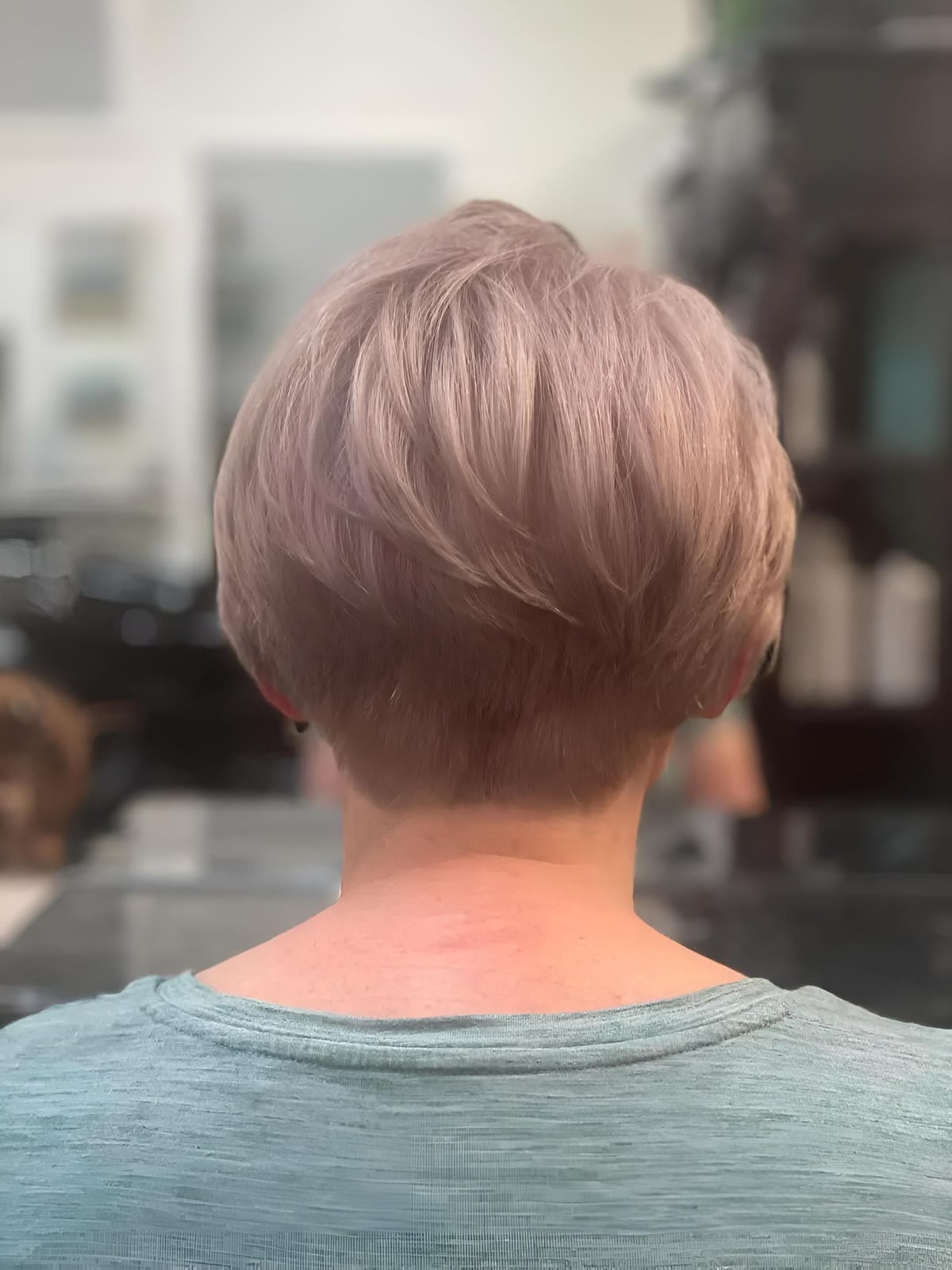
A softly tapered nape keeps a short layered bob from looking bulky on fine hair. The ash blonde color with subtle pink undertones adds a cool tone that shifts in different light. Straight fine texture holds the shape well. Request from your stylist for: short layered bob, softly tapered nape, ash blonde with pink undertones.
Angled bob with side-swept bangs and ash blonde tones
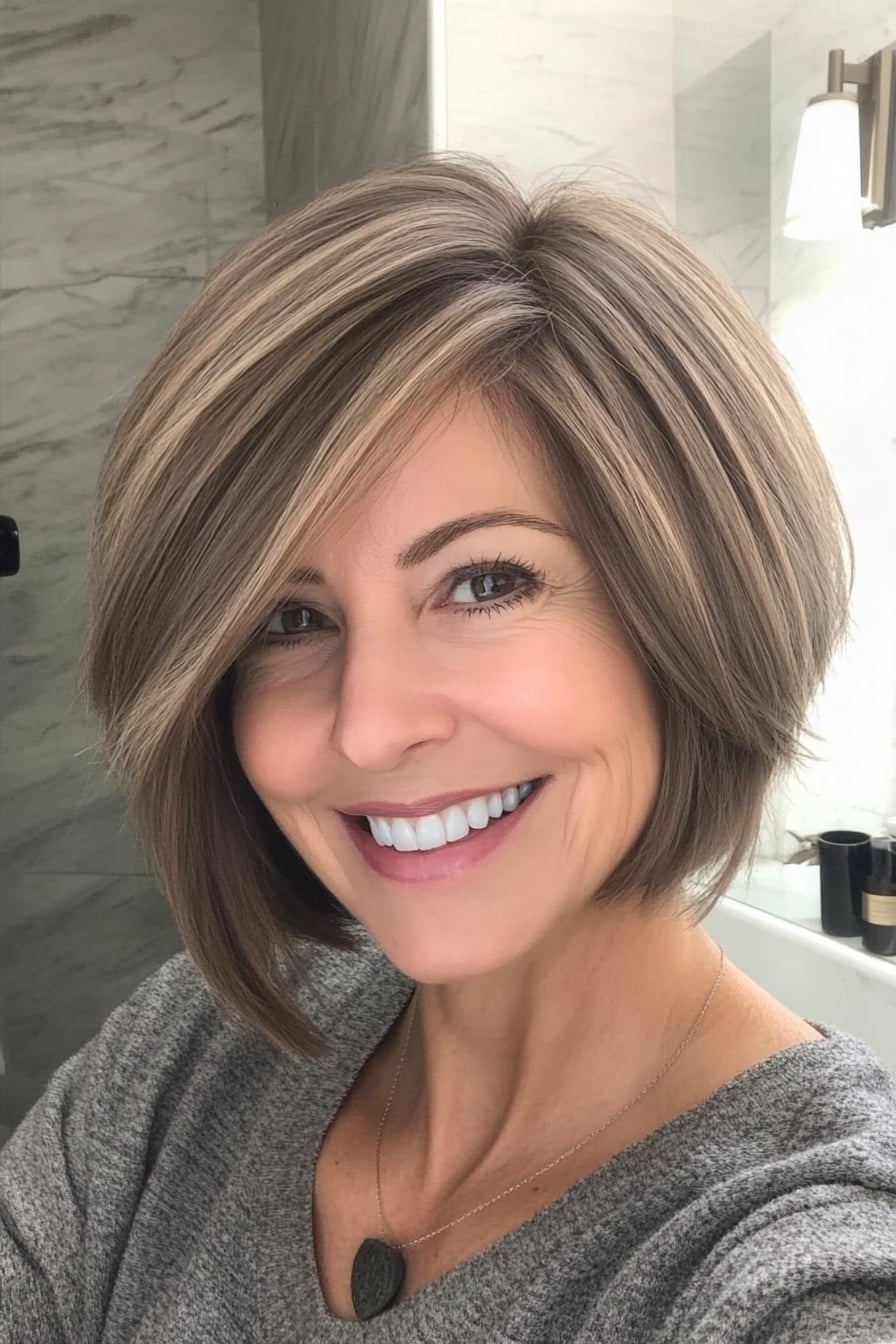
An angled bob with subtle layers creates a forward-moving line that suits fine, straight hair. Side-swept bangs add softness around the eyes. Ash blonde tones with lighter highlights give dimension without heavy contrast.
Stacked ash blonde bob with asymmetrical shape
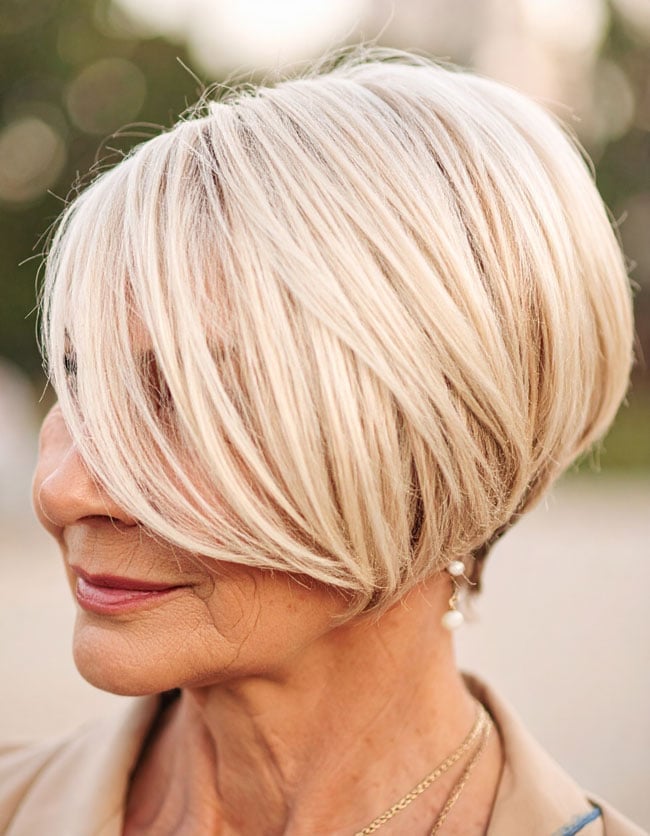
A stacked bob builds volume at the crown through graduated layers, which suits fine, straight hair that tends to lie flat. Side-swept bangs soften the front while the asymmetrical shape keeps it modern. Mention to your stylist: stacked bob with side-swept bangs and an asymmetrical shape, ash blonde. This cut is salon-leaning because of the stacked back.
Asymmetrical pixie cut with dramatic side-swept bangs
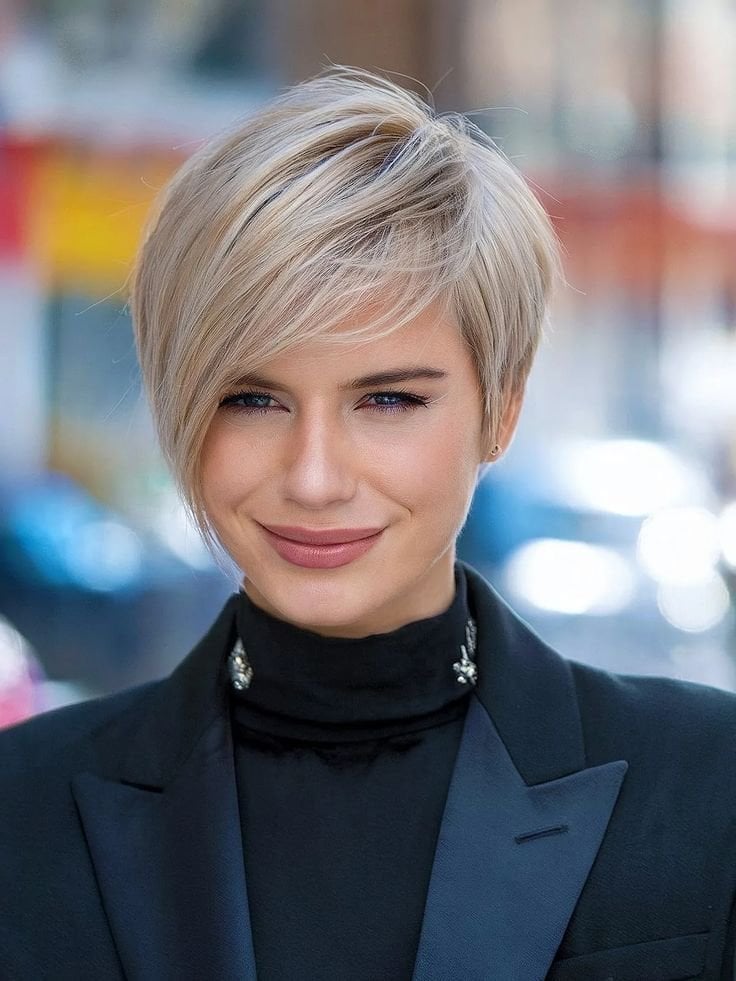
This cut genuinely flatters fine, straight hair because the short length removes weight and the asymmetry creates the illusion of density. Dramatic side-swept bangs draw attention across the face, which suits oval and heart shapes. Request from your stylist for: asymmetrical pixie cut with dramatic side-swept bangs, ash blonde with subtle highlights. The drawback is the bangs themselves. Pass when you dislike frequent salon visits.
Pixie cut with wispy bangs and tousled texture
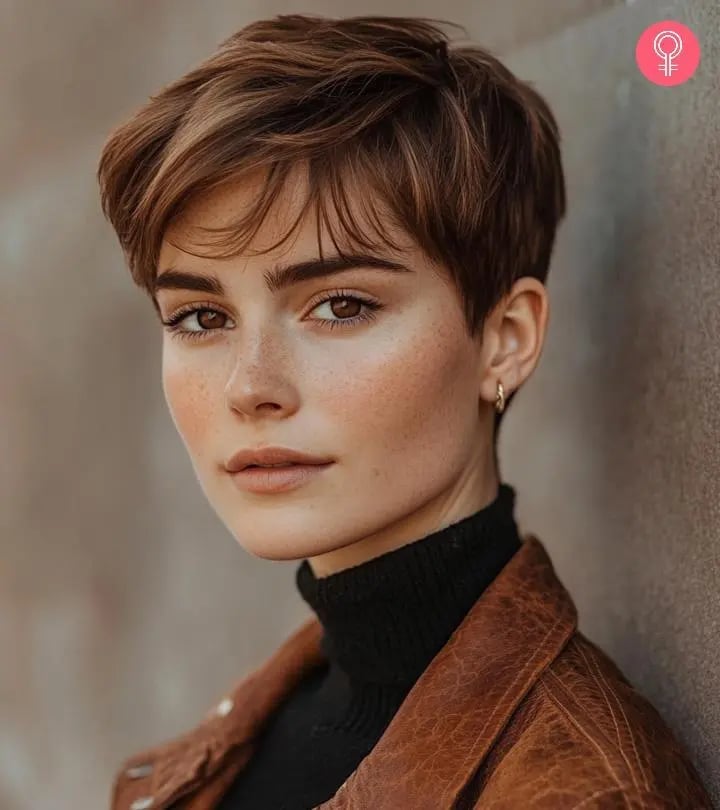
The design centers on wispy bangs that break up the hairline without demanding daily styling. A warm brown base with a few lighter strands adds depth without the weight of full highlights. Tousled texture is the goal, not a neat finish. The result looks neat and deliberate.
Dark brown pixie cut with textured layers and side-swept bangs
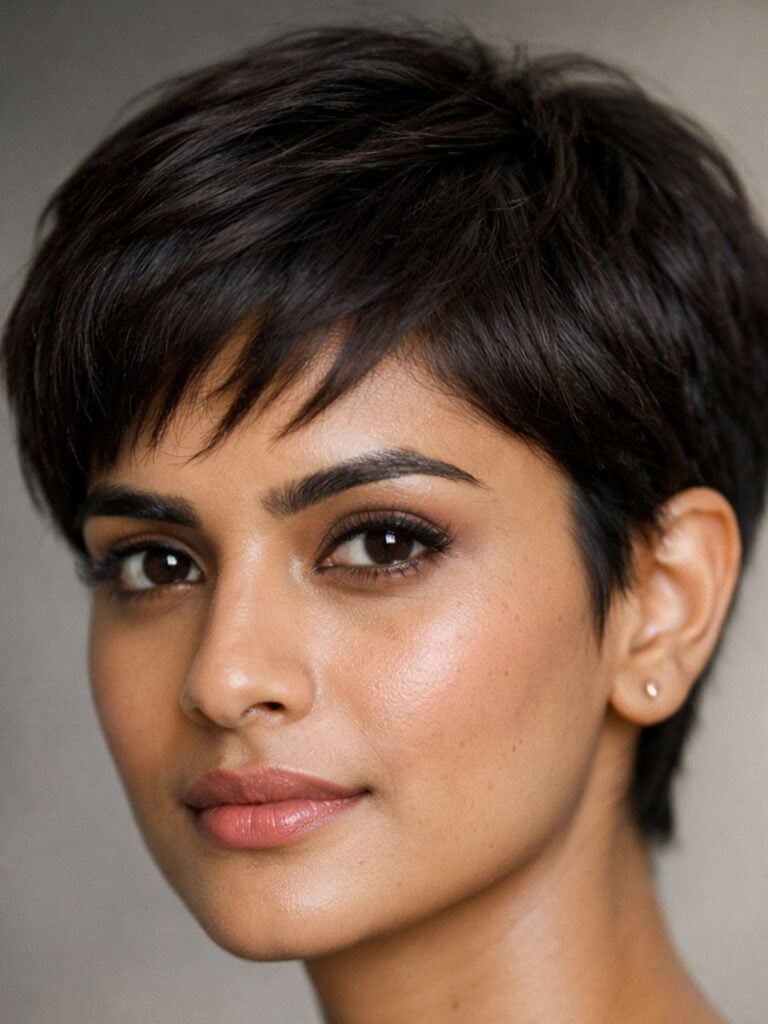
The mistake people make is asking for layers without specifying texture. On fine hair, standard layers can look choppy rather than soft. Textured layers, cut with point shears, keep the shape airy. Side-swept bangs sweep across the forehead, adding movement. Request from your stylist for: a pixie cut with textured layers and side-swept bangs, dark brown. The drawback is that textured layers on fine hair can look thin if overdone. A skilled stylist avoids that.
Gray pixie cut with textured layers and side parting
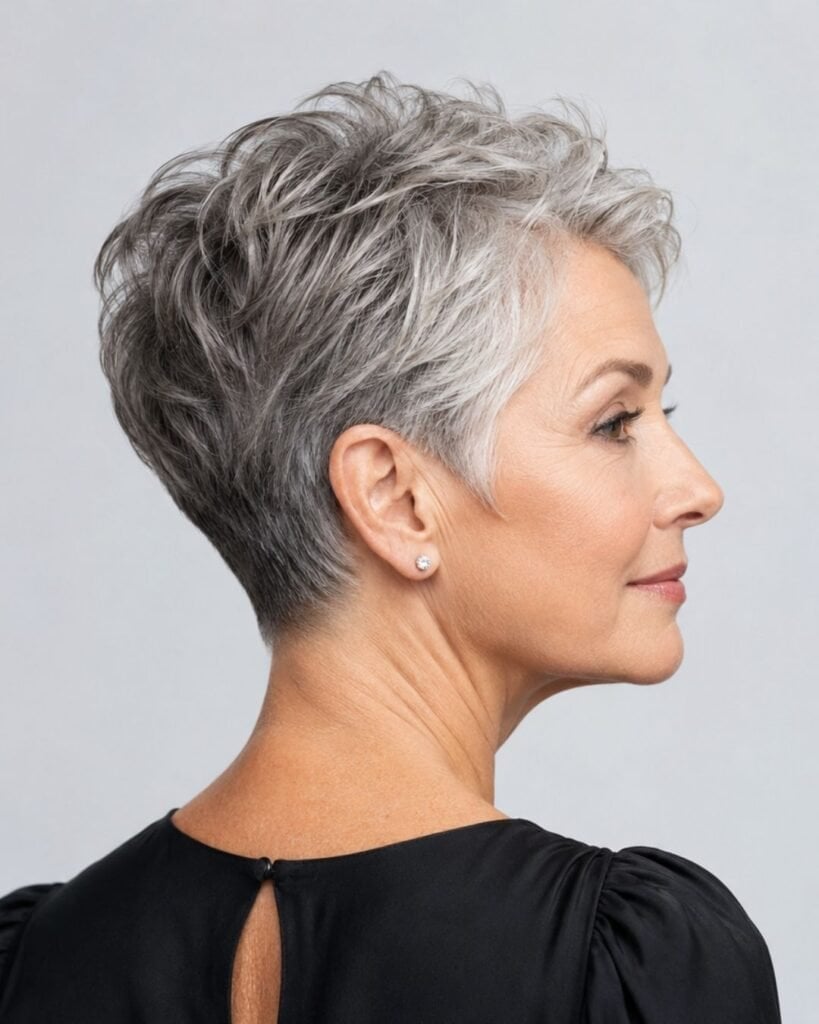
Compared to a solid gray shade, silver highlights add dimension that prevents the cut from looking flat. Textured layers on top create lift at the crown, which fine, wavy hair holds well. The side part directs the volume across the forehead. Upkeep is every five weeks for a trim to maintain the shape and a toning gloss every four to six weeks to keep the silver bright. Mention to your stylist: a pixie cut with textured layers, side part, gray with silver highlights.
Silver bob cut to ear length with a side parting

Ear length is a specific commitment. The bob sits above the jaw, so the side parting and smooth blowout frame the face. It works best on fine, straight hair that holds a clean line. The silver shade needs a purple shampoo to stay cool. Request from your stylist for: a bob, ear length, side parting.
Vintage Hollywood waves for glamorous fine hair
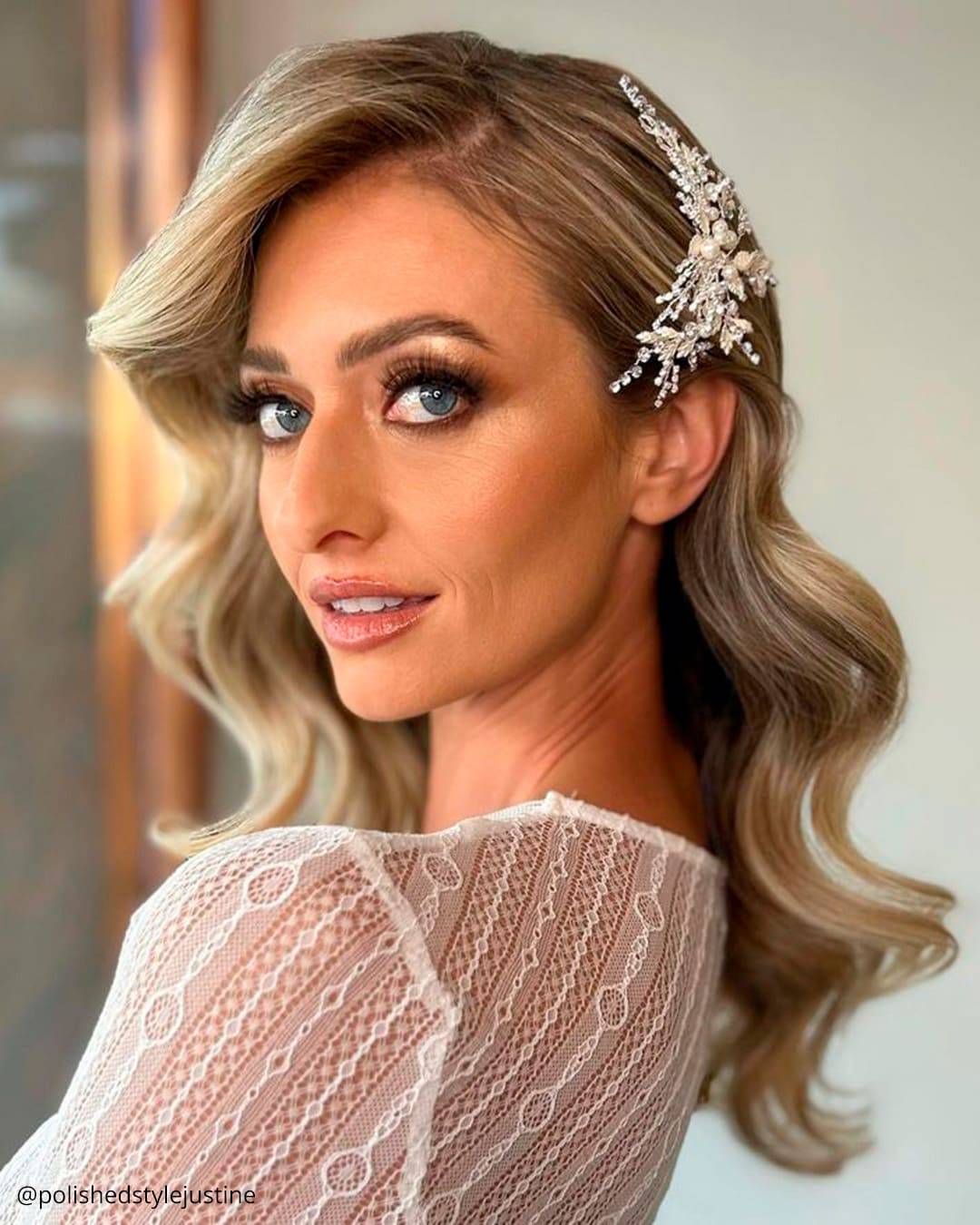
The rule with fine hair and vintage waves is sections. You need a one-inch curling iron and clips to keep each curl separated as it cools. The side part and loose curls create that glamorous shape. The drawback is time. This style takes about thirty minutes of heat styling plus ten for setting. A strong-hold hairspray is non-negotiable. Fine hair will drop the waves fast without it.
Copper red hair with loose curls and air-dried texture
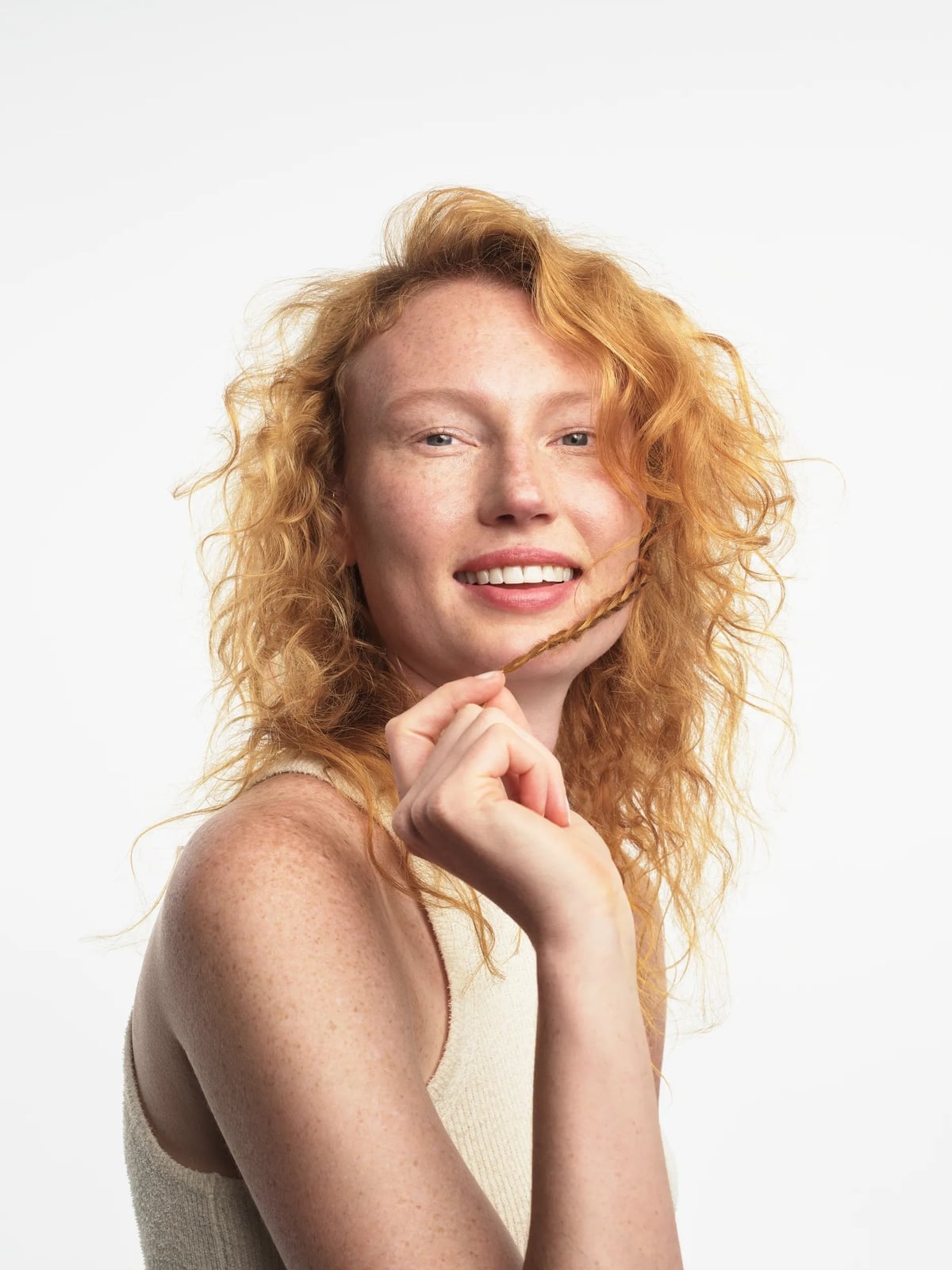
The cost here is the color. The cut uses subtle layers to let the natural wavy texture open into loose curls. Air-drying is the main styling method. A curl-defining cream applied to damp hair is enough. No heat tools needed. The middle part keeps the shape balanced. This is a low-effort daily look once the color is maintained. Request from your stylist for: layers, copper red, air-dried texture.
The texture is the payoff. Fine hair often looks flat when air-dried, but the copper red shade adds visual depth that compensates. The loose curls create the illusion of density. The upkeep is the color appointment, not the styling time.
Half up half down with a voluminous crown for dark brown hair
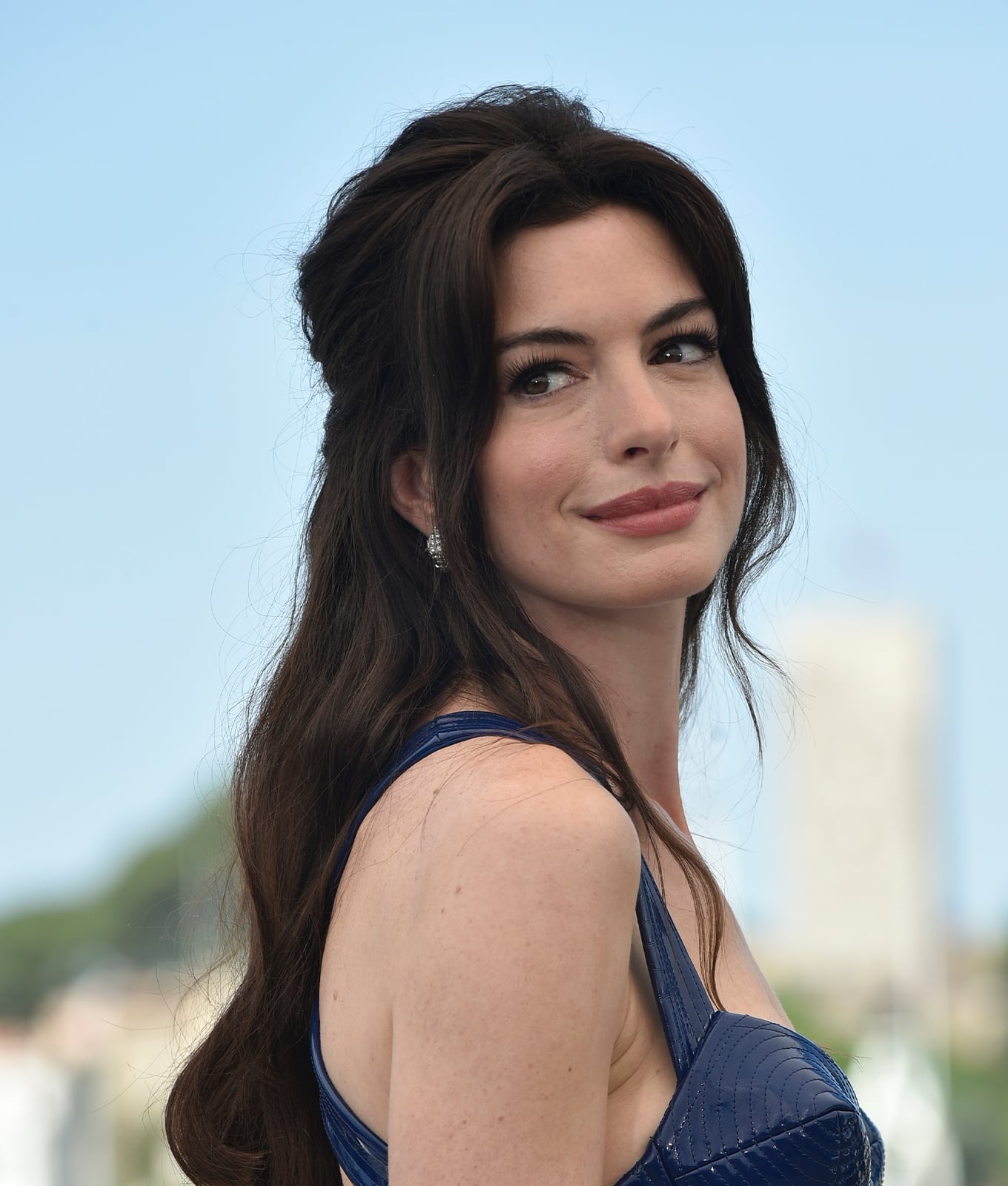
The words for the chair are straightforward. Mention to your stylist: a half up half down style with a voluminous crown. The technique relies on teasing the top section at the crown and pinning it securely. This works best on fine hair that has some natural wave to grip the pins. The drawback is skill. A DIY attempt can look messy if the teasing collapses. A salon style holds for the day. The side view shows the height clearly. Long layers in the base keep the lower section from looking heavy.
This style works for any occasion that needs added height. The dark brown shade keeps it understated. Fine hair holds teasing better than thick hair, so this is one area where fine hair has an advantage.
Ash blonde with silver highlights and face-framing layers
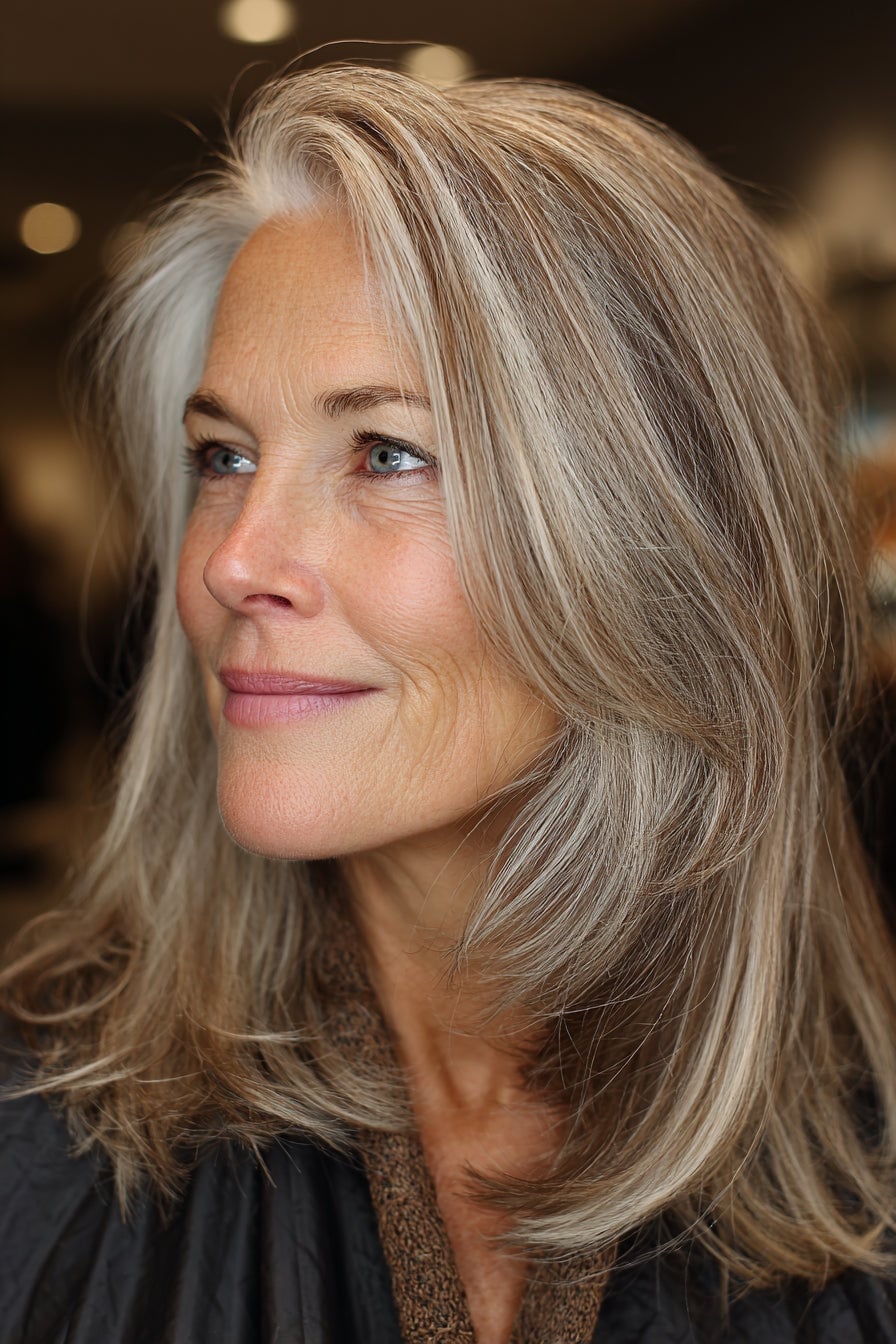
Face-framing layers change the shape without losing length. The ash blonde base with silver highlights adds contrast that fine hair needs. The air-dried texture keeps it low-maintenance. Compare this to a solid ash blonde. Solid looks flat on fine hair. The silver highlights create the illusion of movement. A middle part works with the layers to open up the face. Request from your stylist for: long layers, face-framing, ash blonde with silver highlights.
Silver blonde with wispy bangs and face-framing layers and air dried
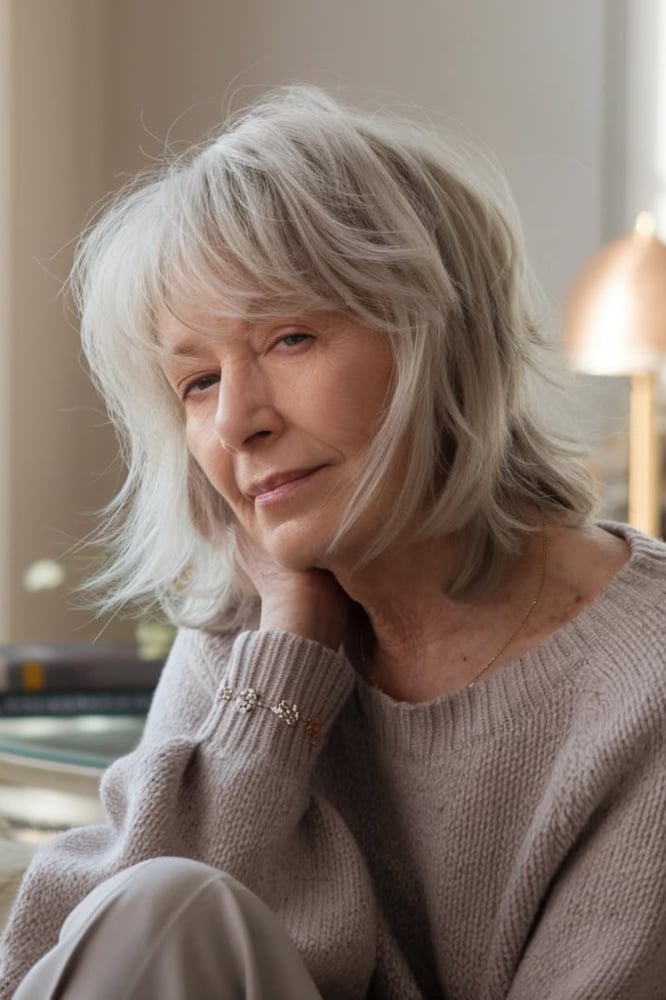
Silver blonde with face-framing layers and a side parting gives fine, wavy hair a relaxed look. The air-dried texture keeps the cut from looking too precious. Skip the flat iron here. The bend comes from a scrunch with a texture spray while the hair is damp. The layers start soft around the jaw and blend into the length, so the cut grows out without a weird shelf. Works for round and oval faces. Pass if you hate the feeling of hair on your forehead.
Dark brown pixie shag with choppy textured layers, side
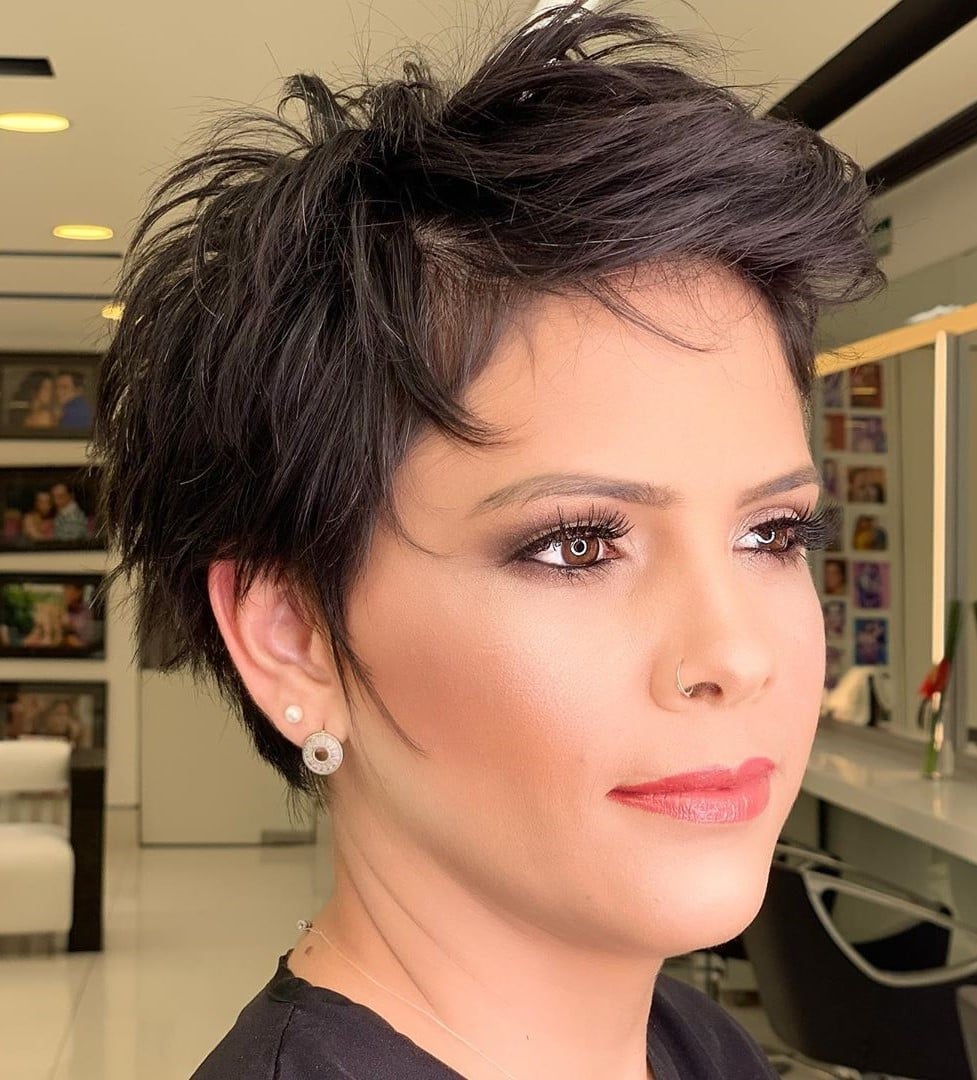
A pixie shag with choppy textured layers is a fair trade. Dark brown, straight fine hair gets volume from the cut alone, no product required. Choppy side bangs break up the density. This shape needs a salon visit every four weeks to keep the texture readable. Growing it out leads to an awkward mullet phase. Request from your stylist for: pixie shag with choppy layers.
Messy bun with loose wisps for easy sharp
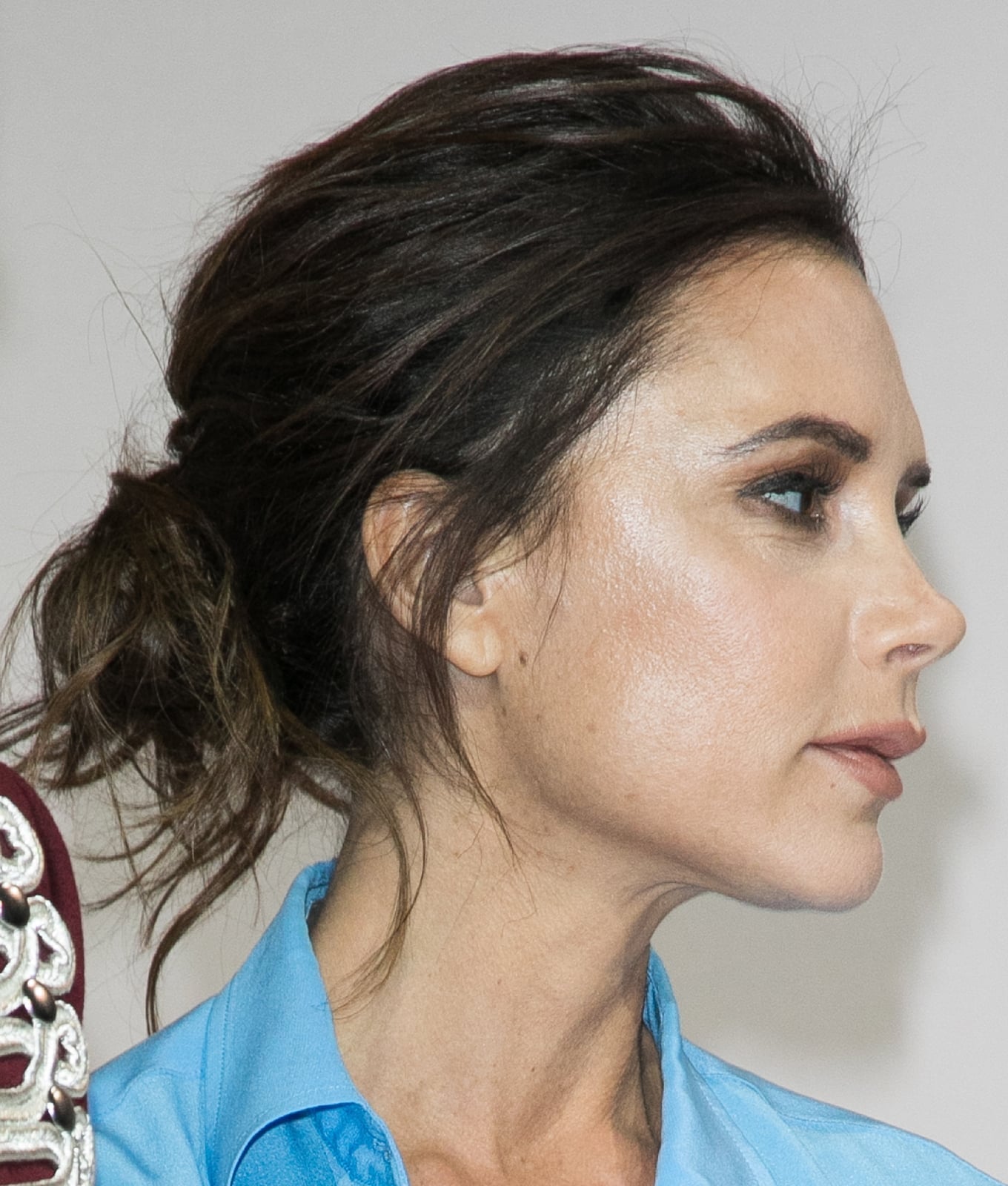
A messy bun on fine, dark brown hair works best when the hair has second-day grip. Pull out loose wisps around the face before you secure the bun. The catch: it loosens fast. By hour three, the wisps are stray pieces and the bun is a soft knot. Still, it takes thirty seconds and needs no mirror.
Air-dried ash blonde with silver highlights for natural dimension
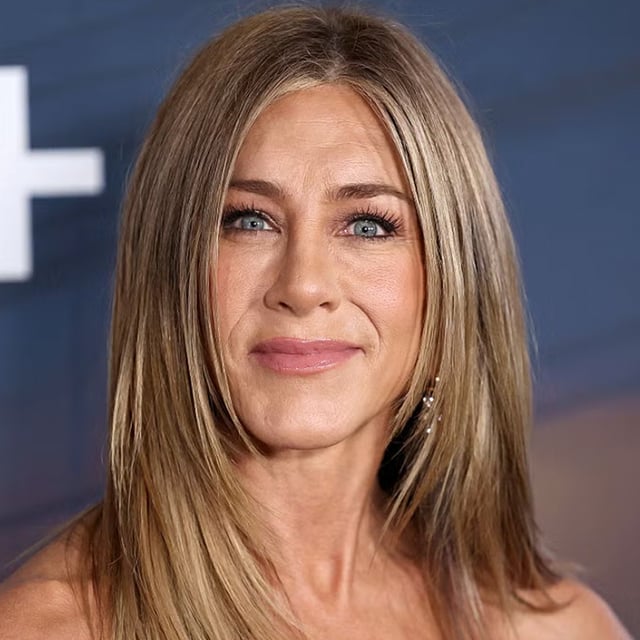
Honey blonde with subtle lighter highlights and a middle part looks one color from a few feet away. Fine, straight hair gets long face-framing layers that start around the chin, creating a soft, blended effect when air-dried. A smooth blowout is optional. The cut holds shape even without heat. Request from your stylist for: long face-framing layers with silver highlights. Suits most face shapes. Skip the look if you prefer solid colors or blunt ends.
Final Thoughts
Pick your next cut based on how much time you have for styling and your comfort level with salon precision versus at-home maintenance.
- Fine hair: a trim every 6 to 10 weeks keeps the shape.
- Ten minutes in the morning: texturizing spray adds lift.
- Cool base that pulls brassy: purple shampoo once a week.
- Heat styling: lower temperature and a heat protectant.
Fine hair can absolutely be gorgeous with the right cut.