You have a consultation booked, a screenshot saved, and a vague idea that involves less brass and more money. Balayage still owns the chair because it grows out softer than foils and photographs well whether you just rolled out of bed or spent forty minutes with a round brush.
Which is why Gorgeous Balayage Hair 2027 fill so many saved boards. 30 looks here, split between low-upkeep air-dried finishes and blowout-ready sections, for anyone whose hair is fine, thick, curly, straight, or somewhere in between. The hard part is narrowing it down to one.
Dark brown base with blonde balayage and curtain bangs for curly hair
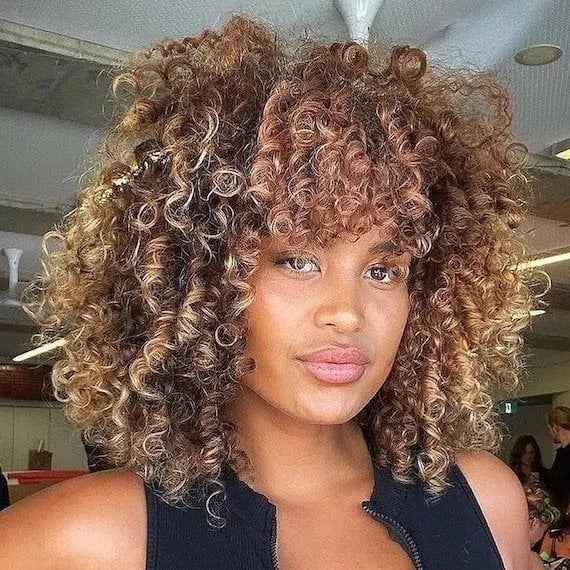
Curly hair with a middle part and curtain bangs shows every layer of color. The dark brown base grounds the look while blonde balayage highlights lift the ends and the face-framing pieces. Thick, naturally curly texture holds the air-dried shape without effort. Tell your colorist: dark brown base, blonde balayage, layered cut, curtain bangs, air-dried finish. A curl-defining cream keeps the pattern defined and the blonde pieces visible. Trim every six to eight weeks to keep the curtain bangs from turning into one blunt fringe. Skip it if you prefer straight styles or have very fine hair that won’t hold curl.
Dark blonde balayage with lighter blonde highlights in loose waves
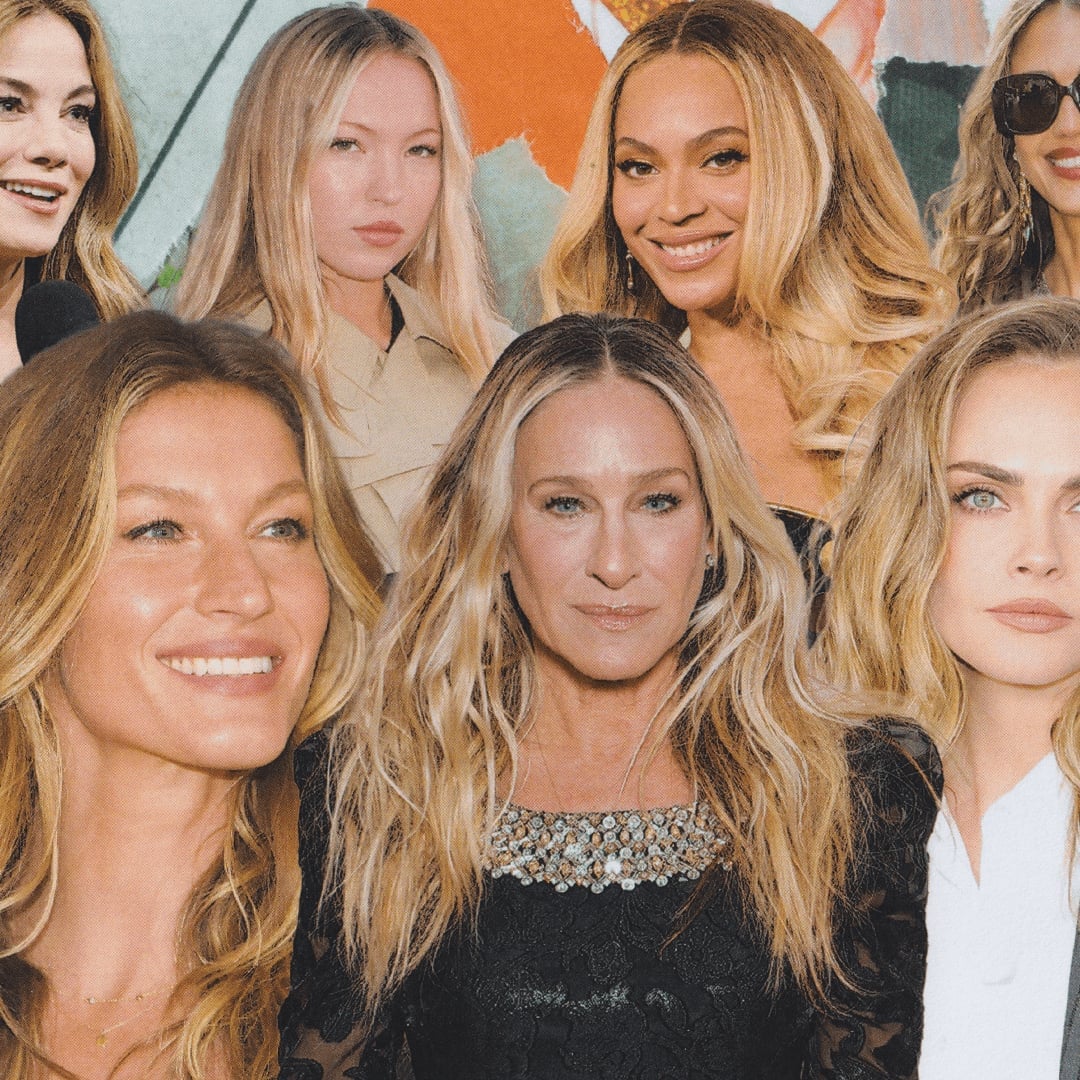
Between a full blonde and a rooted grow-out sits this dark blonde balayage. Lighter blonde highlights weave through the mid-lengths and ends, landing somewhere lighter rather than stripey. Loose waves show the contrast without making it look high-contrast. A texturizing spray defines the movement without stiffness. Skip it if you prefer very straight hair or a high-contrast color. This is the version that looks like it happened at the beach, not under a dryer.
Dark blonde balayage with ash tones in a voluminous blowout
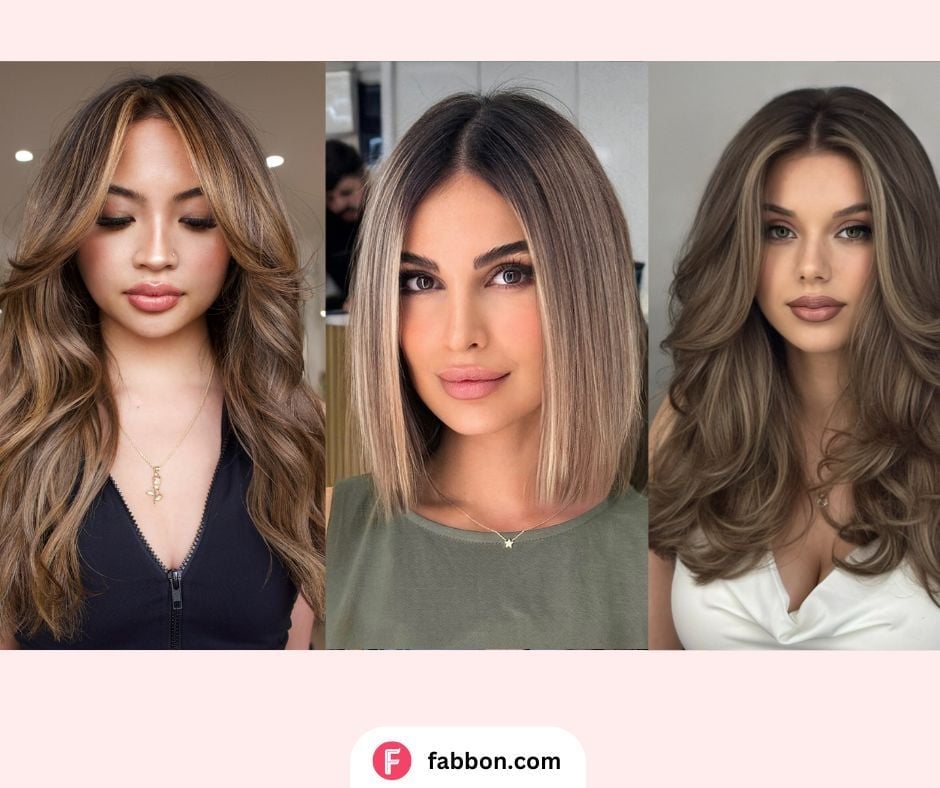
Ash tones sit between the dark blonde base and the lighter ends, cooling down what could read warm. Face-framing layers and curtain bangs break up the volume so the blowout lifts instead of falling flat. Thick, wavy texture takes the round-brush shape easily. Tell your colorist: dark blonde balayage with ash tones, curtain bangs, face-framing layers, voluminous blowout. The ash tone mutes the brassiness, which means less purple shampoo in your future.
Dark brown with caramel balayage and a side parting blowout
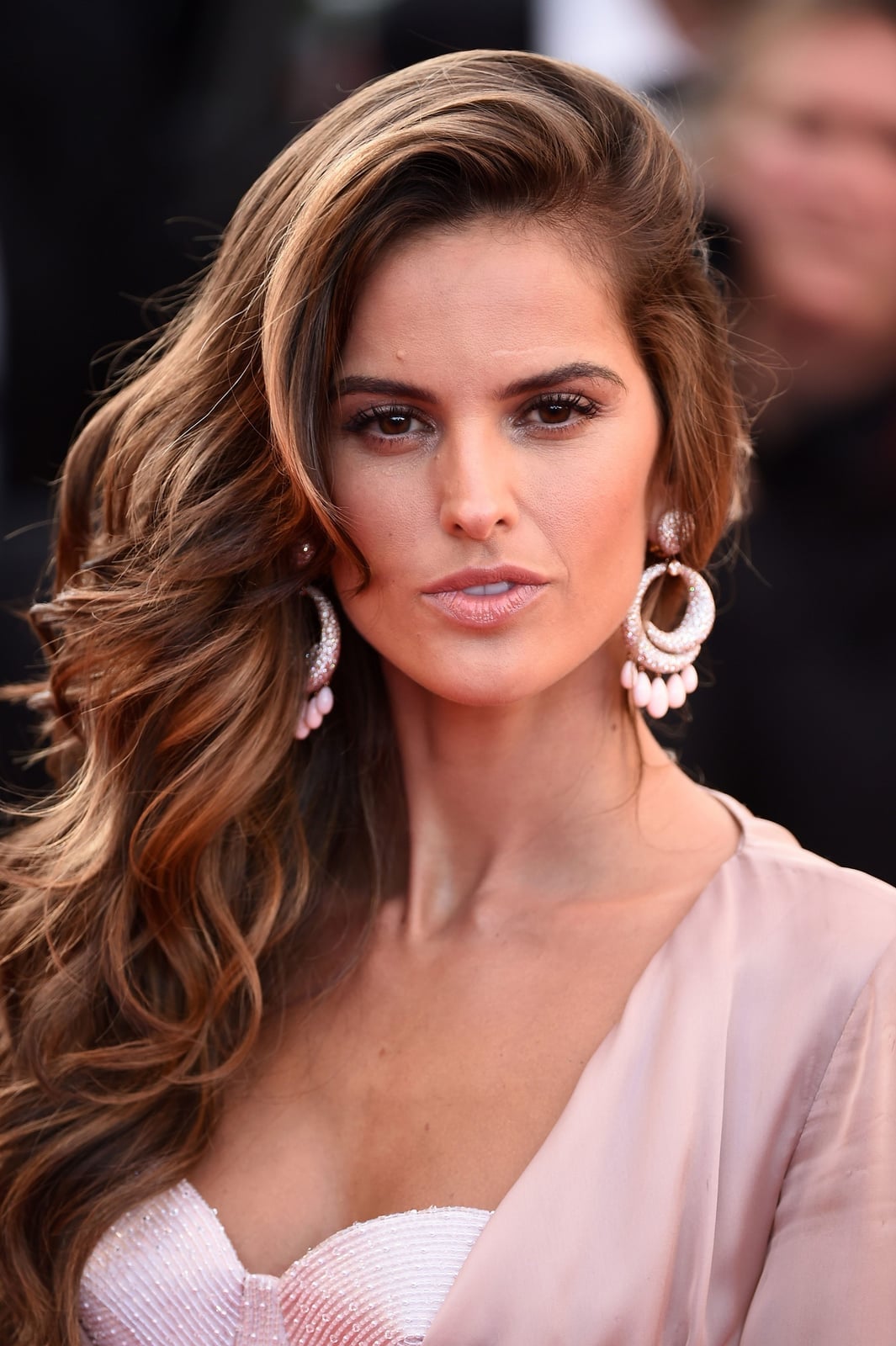
Does a side parting actually make a difference on a balayage? Yes. The caramel pieces fall forward over one side, creating more visible lightness than a middle part would allow. Dark brown base keeps the contrast warm and wearable. Thick, wavy texture holds the voluminous blowout shape for a full day. A middle part or very straight style would not achieve the same effect. The wave pattern and the side sweep do the work here.
Ash blonde balayage with face-framing layers and curtain bangs
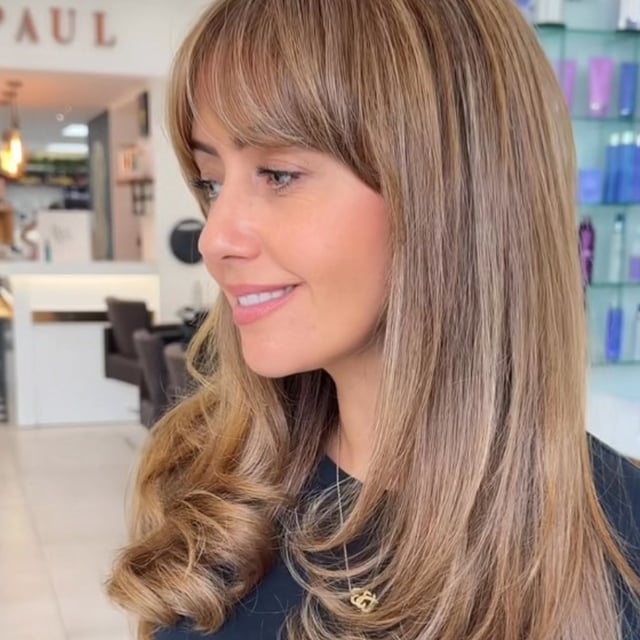
Ash blonde balayage on fine, wavy hair needs precise placement to avoid looking flat. The face-framing layers and soft curtain bangs create the dimension the color alone cannot. A gentle blowout with a round brush adds volume at the crown without heat damage. Speak to your colorist: ash blonde balayage, face-framing layers, curtain bangs, gentle blowout. Toning every six weeks keeps the ash cool and the base from yellowing.
Easy bob with dark brown balayage and blonde highlights
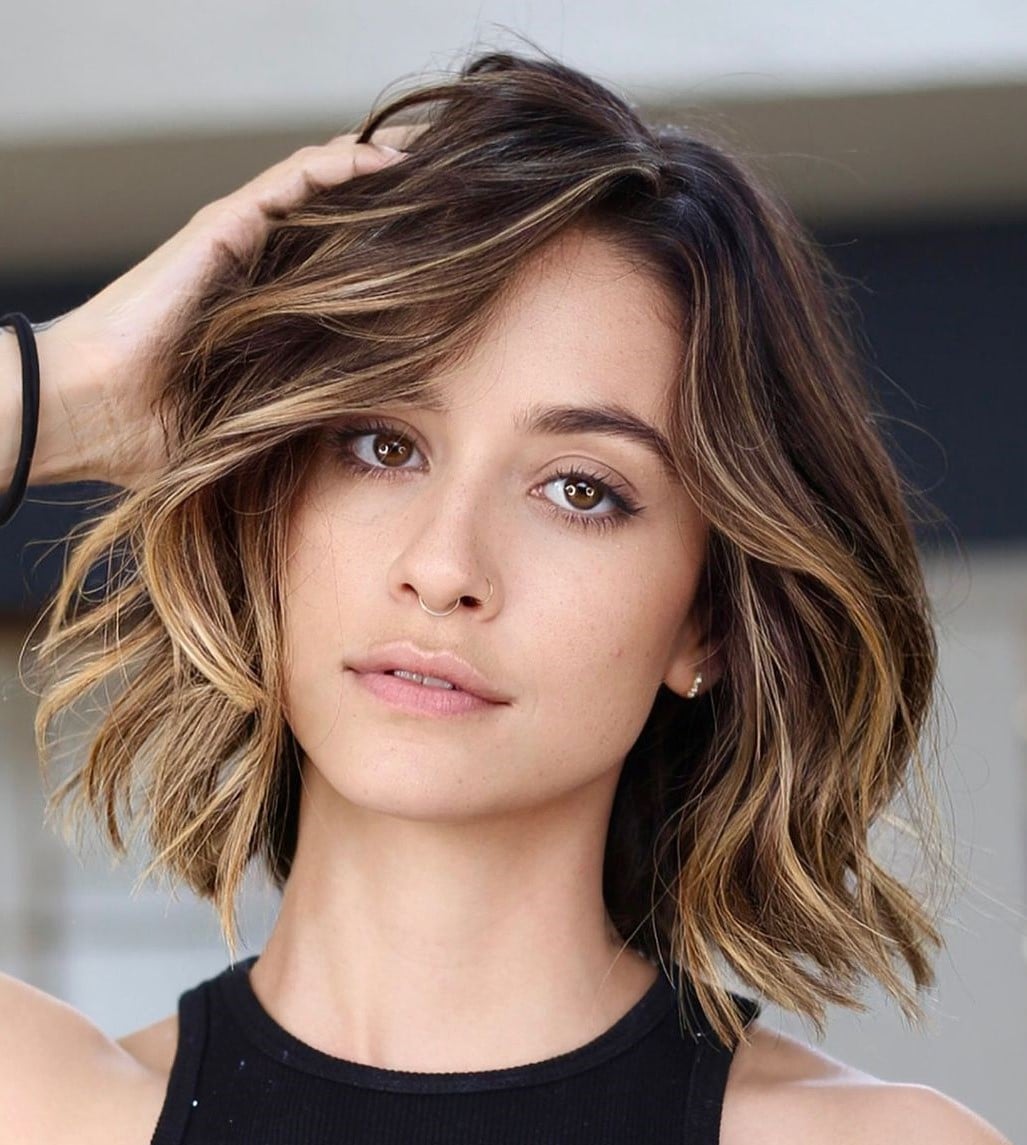
Not quite a sleek bob and not quite bedhead, this lands in the middle. The dark brown base keeps it grounded; the warm blonde face-framing highlights pull the light forward. Fine hair works best here. The air-dried texture gives it body without weight. A texturizing spray on dry hair keeps the wavy shape from falling flat by midday. Bob needs a trim every six to eight weeks, or the shape goes soft.
Smooth dark brown to ash blonde balayage on straight fine hair
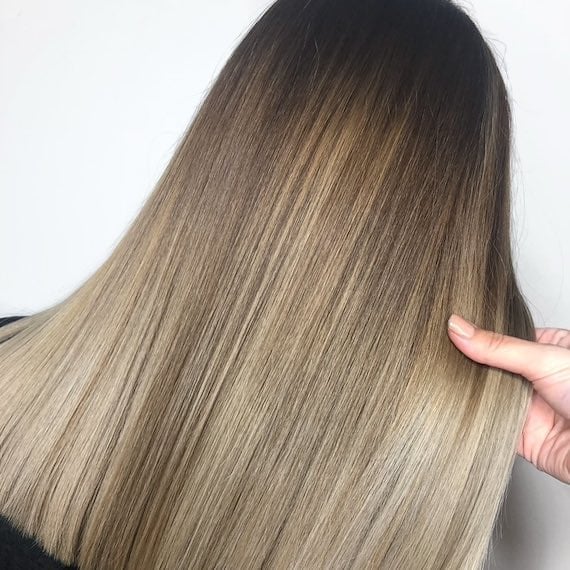
Two distinct sections of color, one continuous gradient. Dark brown at the root melts into ash blonde at the ends with no hard line. Straight, fine hair shows every transition, so the application has to be precise. Request from your colorist: dark brown base, ash blonde ends, smooth blend. The middle part puts the gradient on display. This is not a look you can fake at home. The lift from brown to ash needs a skilled hand to avoid patchiness.
Skip it if your hair is wavy or curly, because the straight finish is half the effect. Hair that bends at the root line breaks the visual flow.
Ash blonde balayage with face-framing blonde streaks
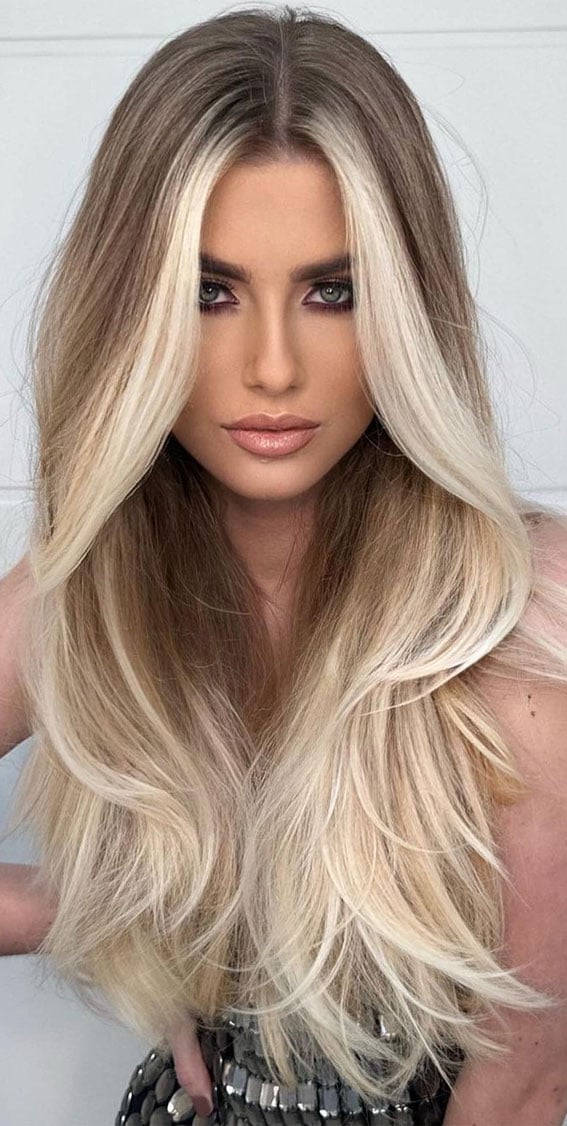
Dark blonde roots keep the grow-out gentle, then ash blonde balayage takes over through the mid-lengths. The face-framing streaks are slightly lighter than the rest, which is what gives the front line that lifted look. Fine hair with soft waves and a blowout holds this shape best, the layers create the movement without losing volume. Collarbone length or longer lets the streaks fall naturally around the jaw.
Dark blonde balayage with ash blonde highlights and waterfall braid
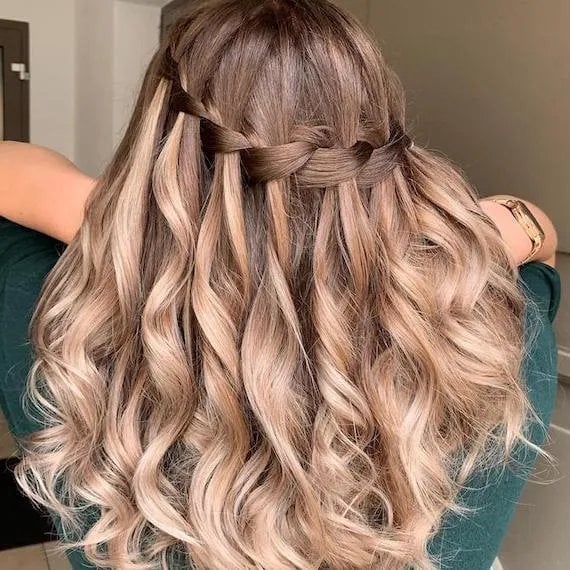
A waterfall braid works because the dark blonde base and ash blonde highlights create visible ribbons of color through the weave. The braid is built by dropping sections as you cross, so the lighter strands become the accent. Thick, wavy hair gives the braid enough bulk to read clearly. Shoulder length or longer lets the braid travel across the back without pulling tight. You pin the ends, then gently loosen the weave for a wider, softer finish.
Dark brown with subtle caramel balayage in soft waves
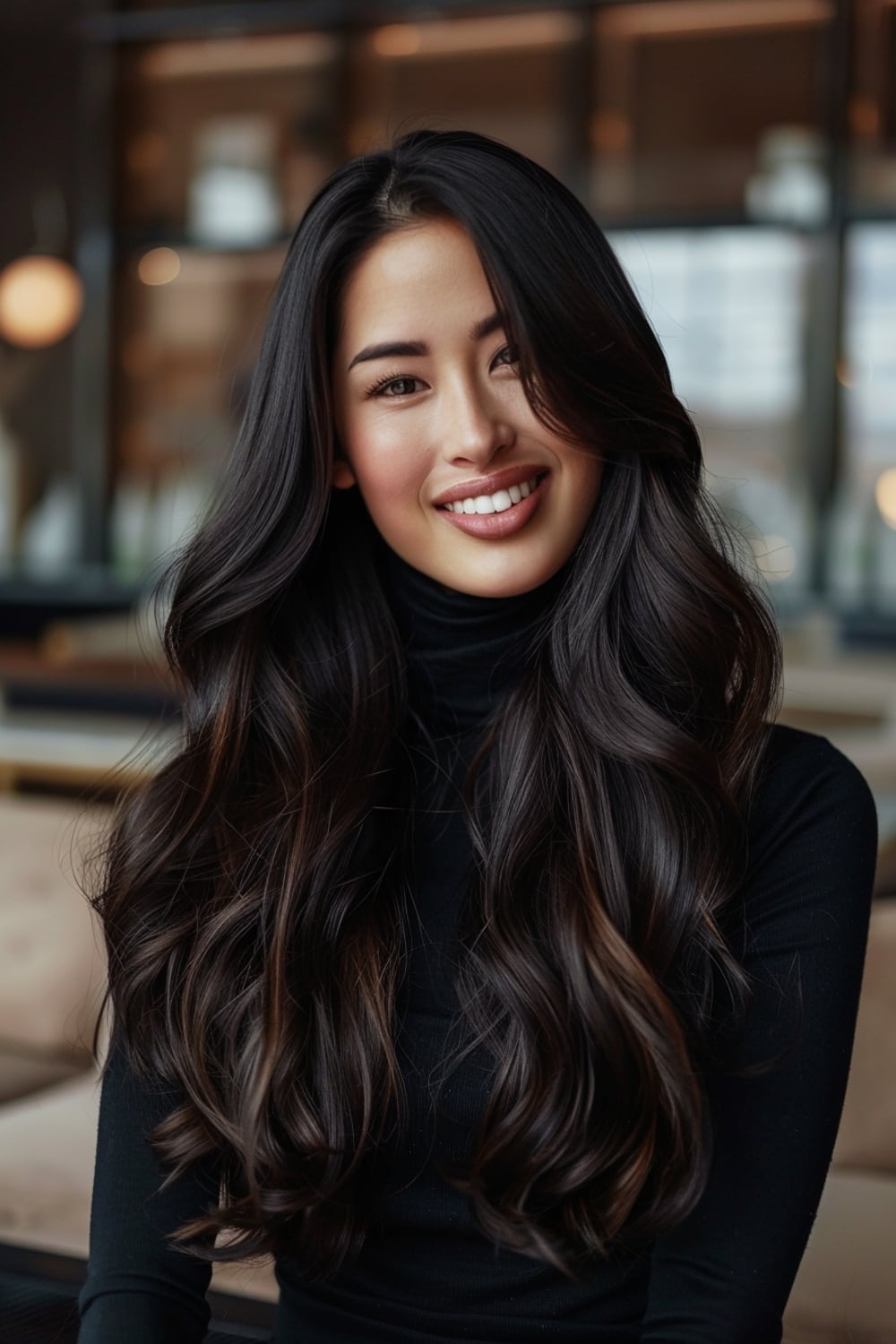
Does a subtle balayage actually show? Yes, when the caramel tones are painted through the mid-lengths and ends of thick, wavy hair. The dark brown base stays dominant; the caramel looks a warm shift rather than a separate color. Soft waves created with a blowout and a large round brush let the tone catch the light without being obvious. Pass when you want high contrast. It is a low-contrast, lived-in finish that fades gracefully.
Blonde balayage with lighter highlights and face-framing pieces
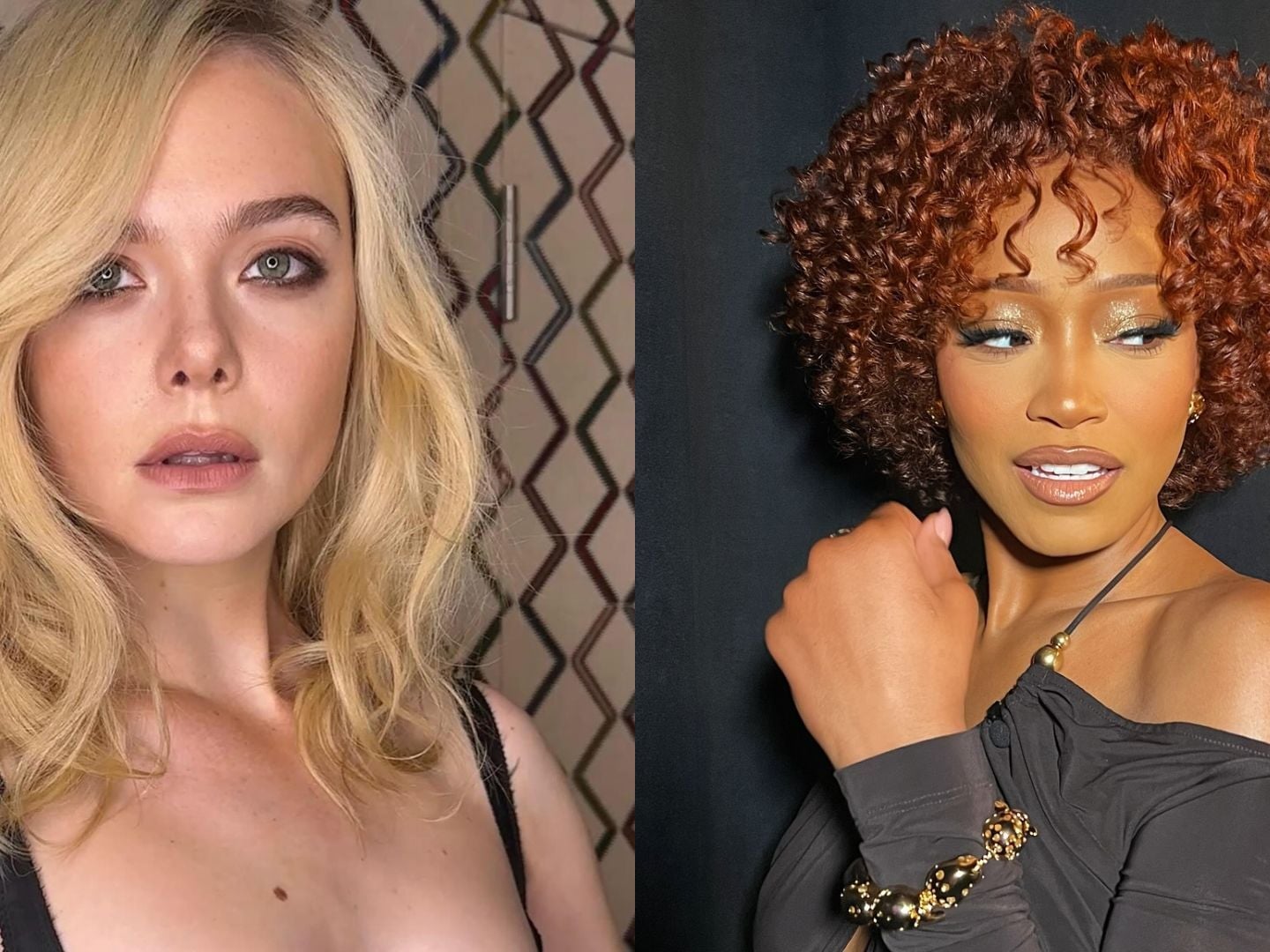
Face-framing pieces get lighter here, not just brighter. The side part lets the blonde balayage wrap forward, so the lighter blonde highlights hit the front sections first. Fine, wavy hair holds a wavy blowout best, and the subtle blend keeps it from looking stripey. Tell your colorist: blonde balayage, lighter highlights, face-framing pieces.
The balance works because the base stays close to your natural depth. No harsh line where the light pieces start, just a graduated lift toward the ends. That matters more than the exact shade.
Lighter dimension with dark brown base and blonde balayage
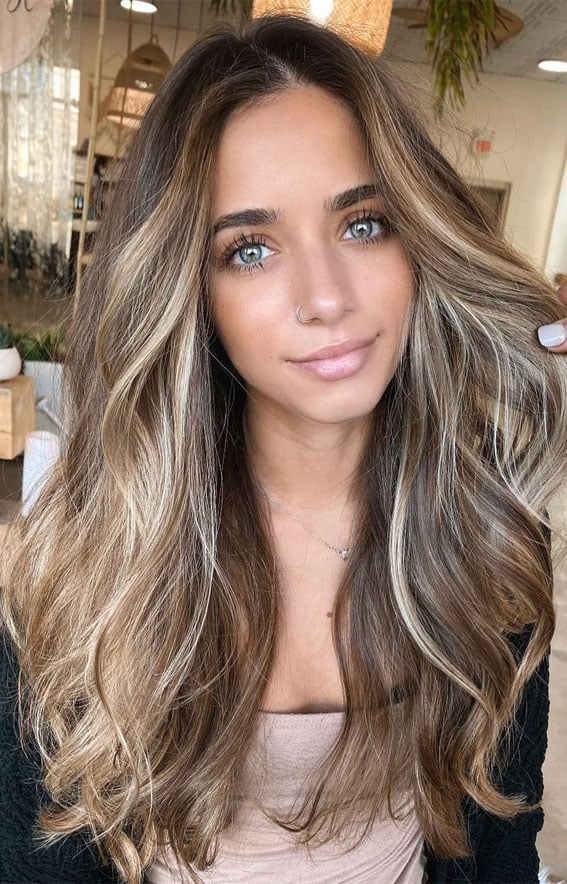
High contrast gives you a bold line. This does the opposite. A dark brown base melts into soft, blonde balayage highlights, with loose waves and a middle part keeping the effect natural. The face-framing pieces are lighter, so the brightness looks sun, not salon. Fine, wavy hair starting at collarbone length lets the dimension spread without looking heavy. Pass when you want defined curls or a sharp demarcation line.
Two tones of balayage: caramel and ash blonde on dark brown
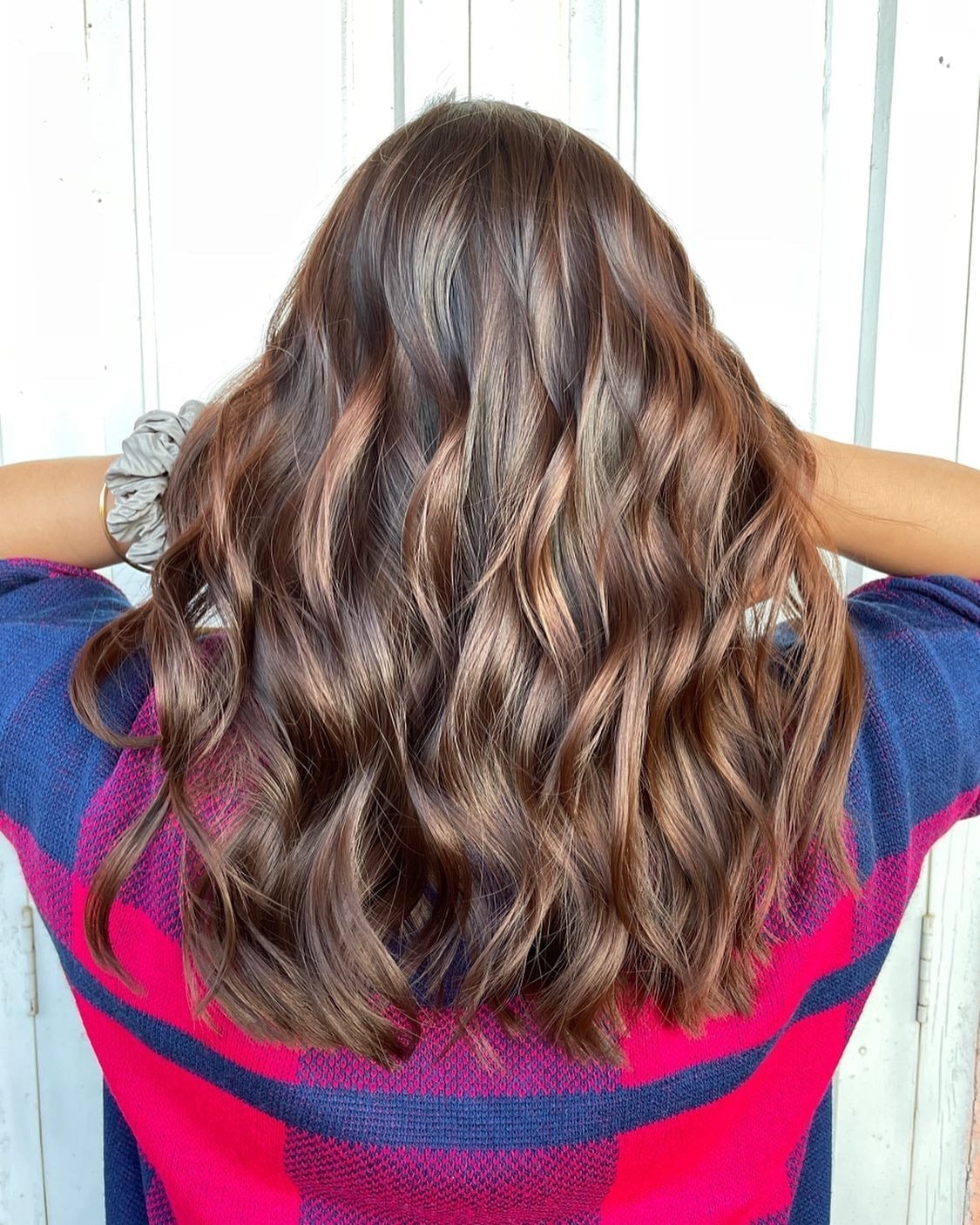
Two tones on one dark brown base. The caramel balayage sits warmer, the ash blonde balayage cooler, and the wavy blowout lets them read separately without fighting. Thick, wavy hair starting at shoulder length gives the technique room to spread. The blend is subtle, so the dual tone looks depth rather than a stripe. Book it as: dark brown base, caramel and ash blonde balayage, wavy blowout. Not for straight hair or a single-tone preference.
Platinum blonde balayage on fine straight hair
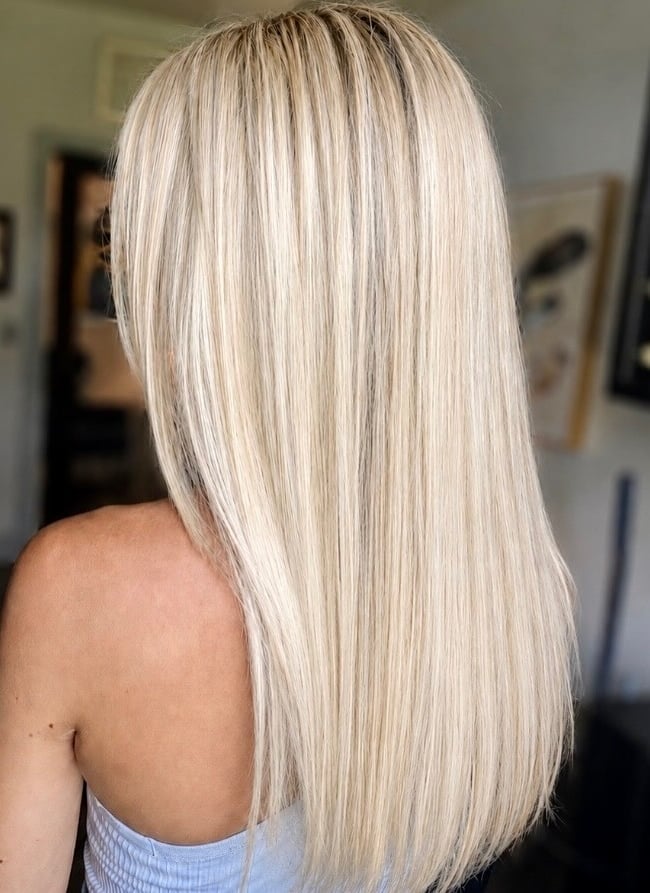
Platinum on fine, straight hair needs precision. The balayage here creates dimension without bulk, and the middle part lets the light move straight down. A straight blowout with subtle layers keeps the shape clean. Purple shampoo every third wash preserves the tone. Speak to your colorist: platinum blonde balayage, straight blowout, middle part. Thick or coarse hair makes this look heavy; fine hair lets it look intentional.
Dark blonde balayage with ash blonde highlights and wavy blowout
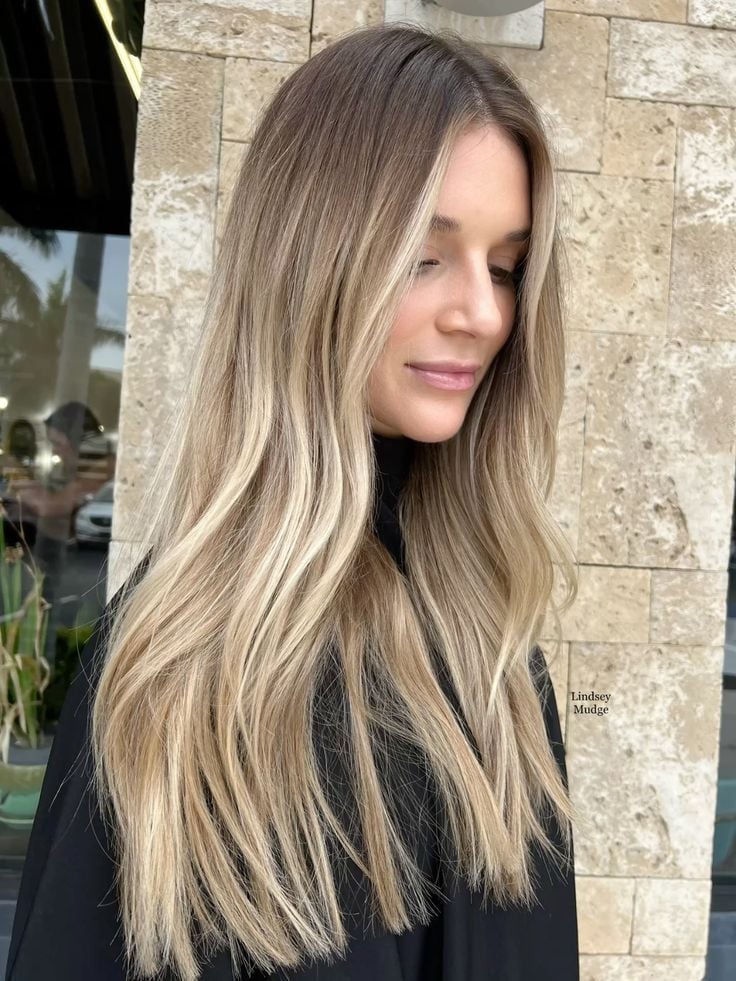
Ash tones work best when the base is dark enough to ground them. A dark blonde balayage with ash blonde highlights lands softly because the subtle layers keep the color from stacking in one spot. Fine, wavy hair starting at collarbone length takes a wavy blowout easily. A texture spray on dry hair holds the shape. The catch: skip this if you prefer defined curls or a high-contrast color line. Request from your colorist: dark blonde base, ash blonde highlights, wavy blowout, middle part.
Dark brown with caramel balayage in natural waves
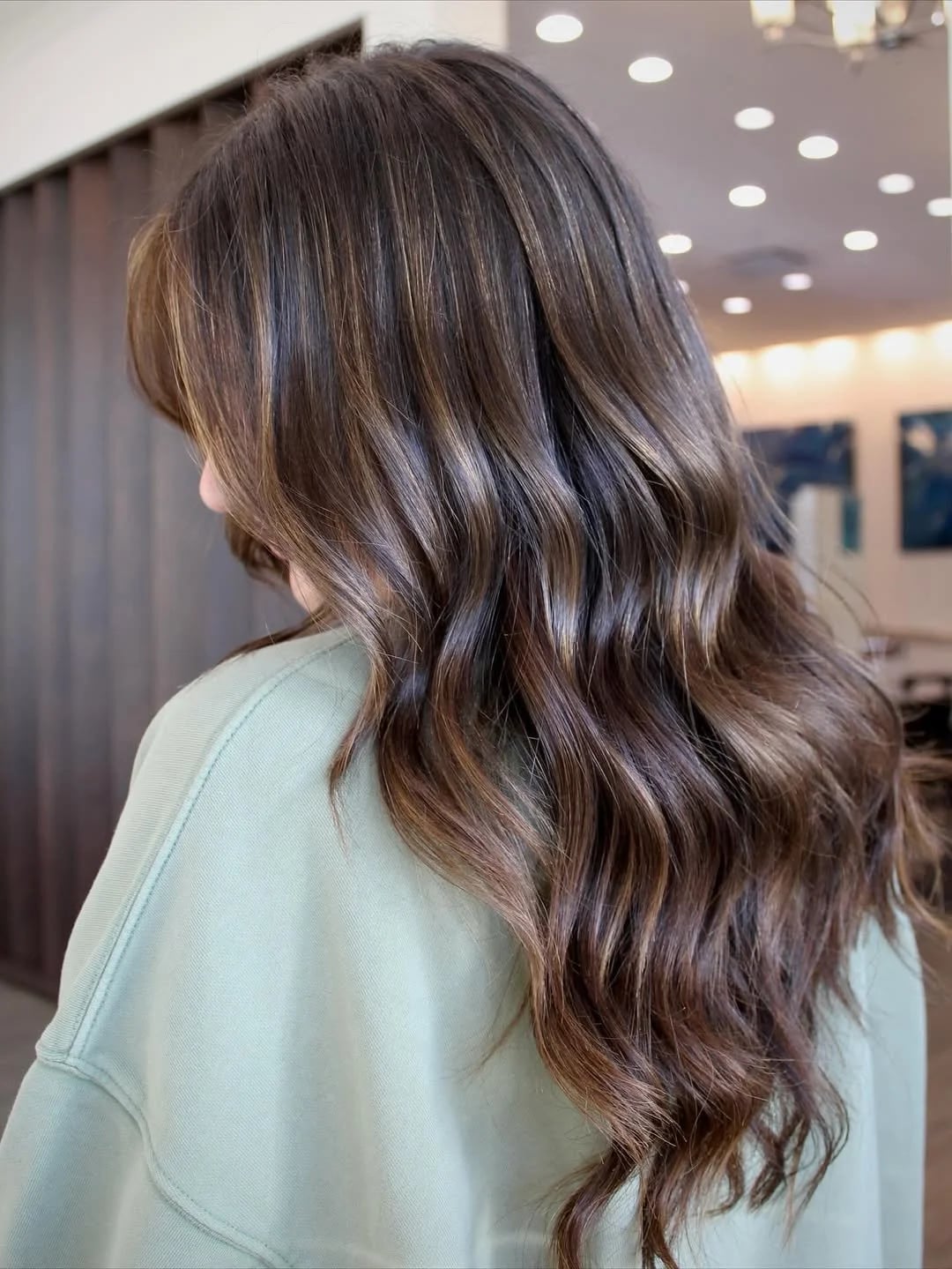
You could go higher contrast, chunky caramel streaks against dark brown, but this version keeps the tone close to the base. The caramel pieces sit a shade or two lighter, so the grow-out line looks soft rather than stripey. Thick, wavy hair starting at collarbone length holds the shape best. The middle part and side view let the color fall forward naturally. A sea salt spray on damp hair, then air-dry or diffuse, and you are done in under fifteen minutes.
Lighter warmth with dark brown and caramel balayage
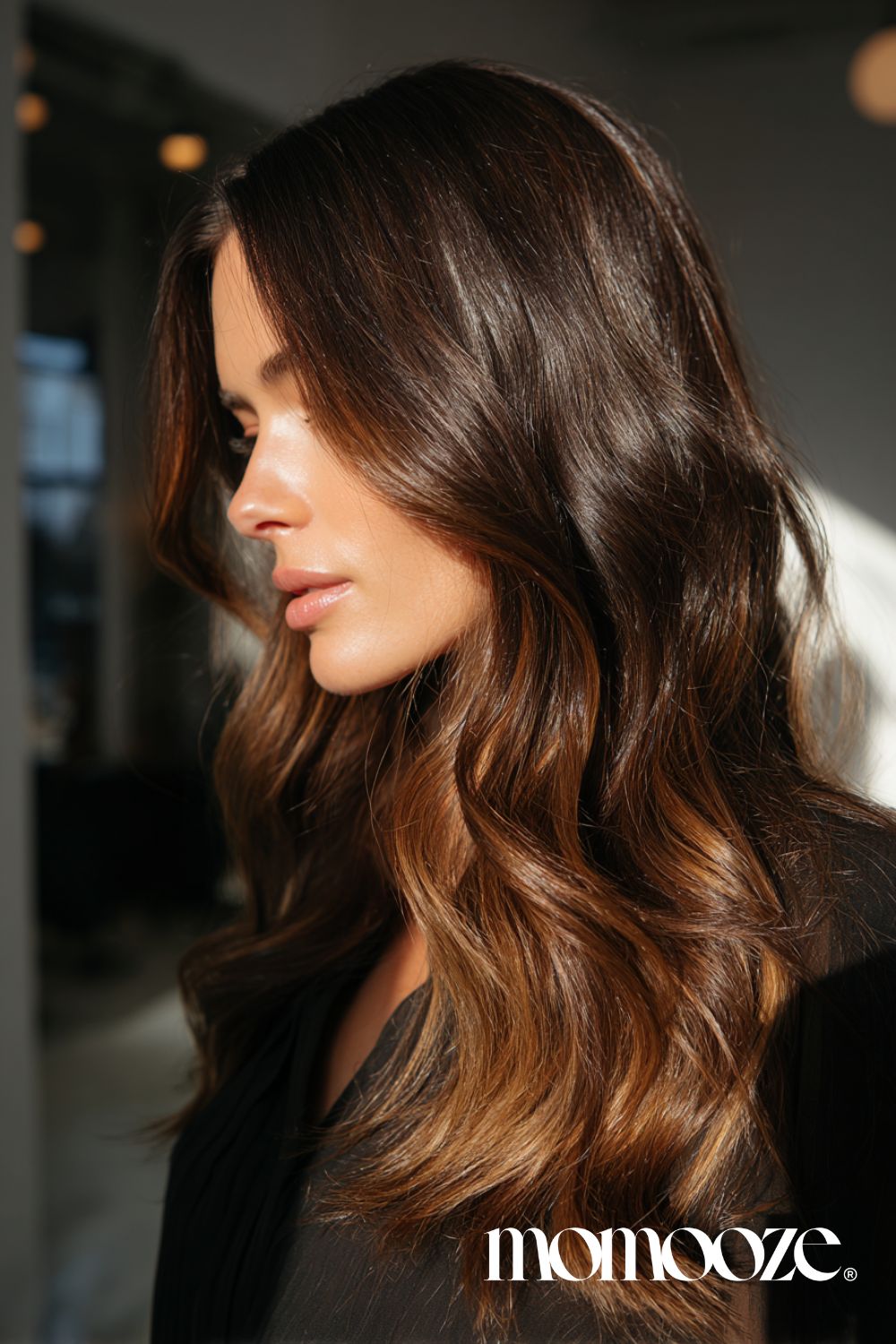
Long layers and a side part shift the caramel balayage to one side so it gets more light than a center part would. The dark brown base stays rich at the root, and the soft caramel tones warm up toward the ends. Thick, wavy hair at shoulder length or longer gives the layers room to stack without disappearing. Request from your colorist: dark brown base, caramel balayage, long layers. The words matter because balayage on thick hair needs a light hand; too much caramel and the base looks flat. A texturizing spray on dry hair, then a quick tousle with your fingers, and the waves look deliberate without a round brush in sight.
Dark brown base with ash blonde balayage and voluminous blowout, wavy
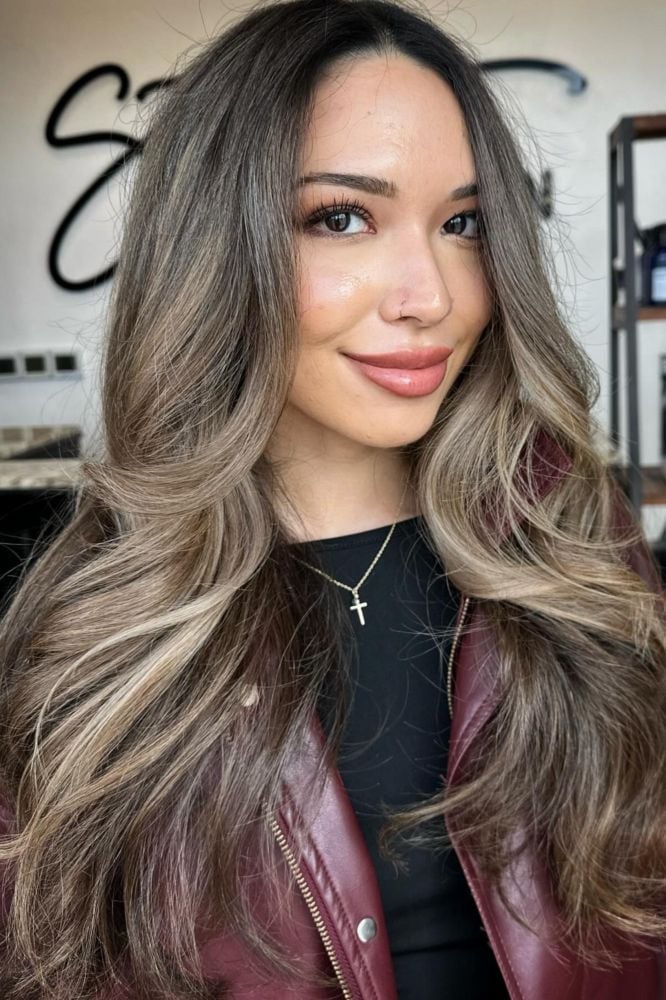
The ash blonde balayage sits mostly through the ends, leaving the dark brown base intact at the root for a cooler contrast than caramel would give. Soft layers, a middle part, and a voluminous blowout make the ash tone look silvered instead of muddy. Thick, wavy hair at collarbone length or longer can hold the volume without deflating by noon. The key is the blowout technique: a round brush lifts the roots, and the waves are set with pins while the hair cools. No pinning means the waves drop faster, so factor in an extra five minutes.
Caramel balayage on dark brown adds volume and movement
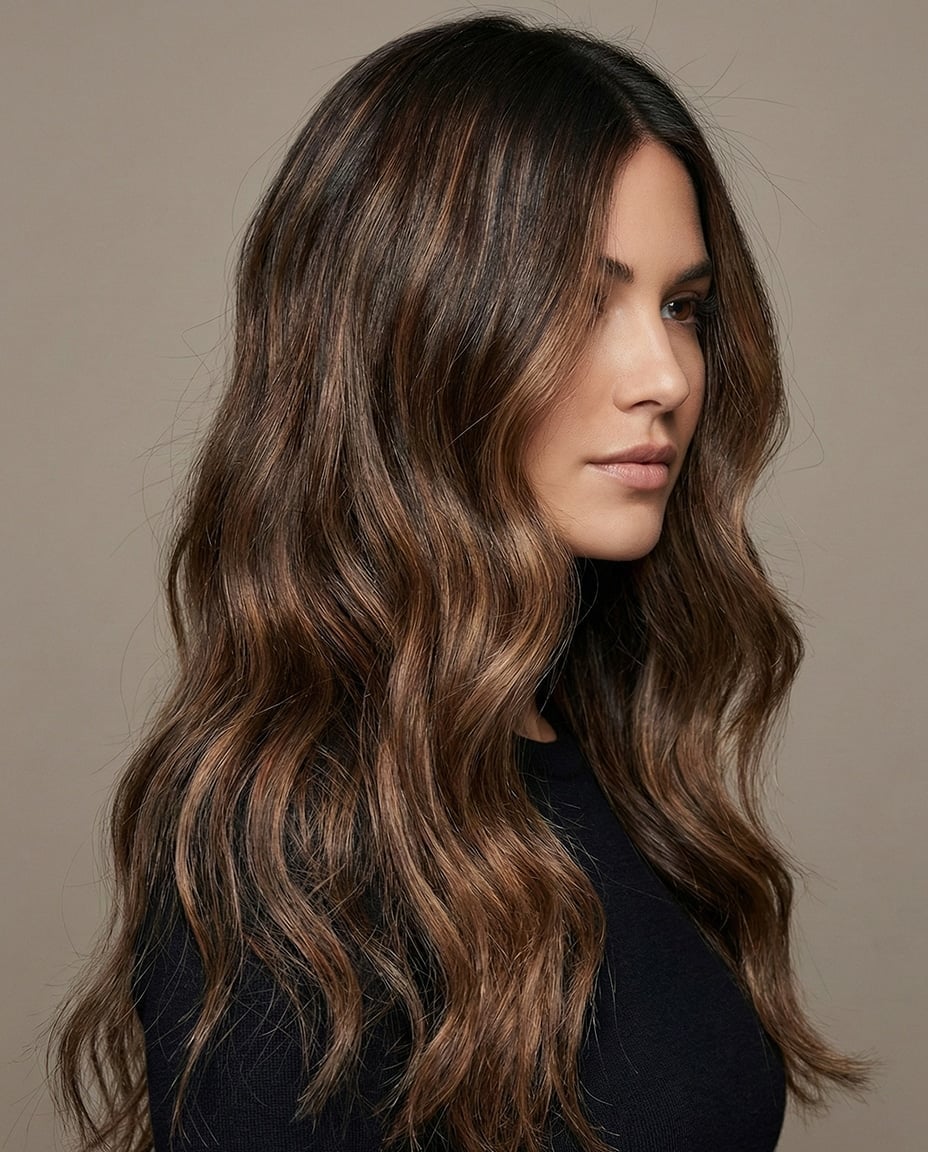
Layers cut through the density, and the caramel balayage is painted onto the surface of those layers. That placement creates the illusion of more volume, the lighter pieces catch the eye first, so the hair looks fuller than a solid dark brown would. The middle part and side view show how the caramel wraps around the wave pattern. Thick, wavy hair at shoulder length or longer needs the layers to prevent the weight from pulling the curl straight. Apply a texturizing spray to dry hair, then shake your head and go. No brush, no round brush, no extra time.
Lighter dark blonde balayage with face-framing layers
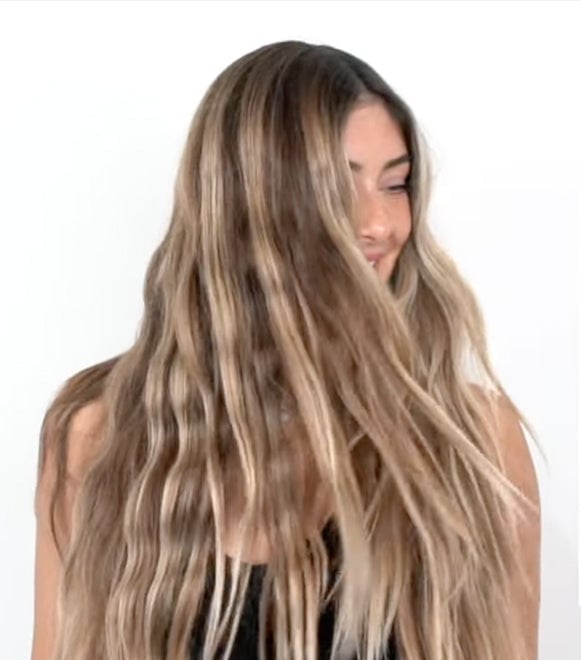
Fine, wavy hair at collarbone length or shorter works best here because the lighter blonde balayage highlights need a lighter base to blend into. Dark blonde gives the lighter effect without the root line looking harsh at week three. The face-framing layers are cut so the shortest piece lands around the jaw, which softens a square shape. Pass when you have very coarse hair. The texture will swallow the fine highlights, and the air-dried finish will appear messy. Request from your colorist: dark blonde base, lighter blonde balayage, face-framing layers, air-dried wavy finish. A texturizing cream applied to damp hair, then air-dry, and the waves set themselves in about an hour.
Natural lighter dimension with dark blonde balayage, close-up take
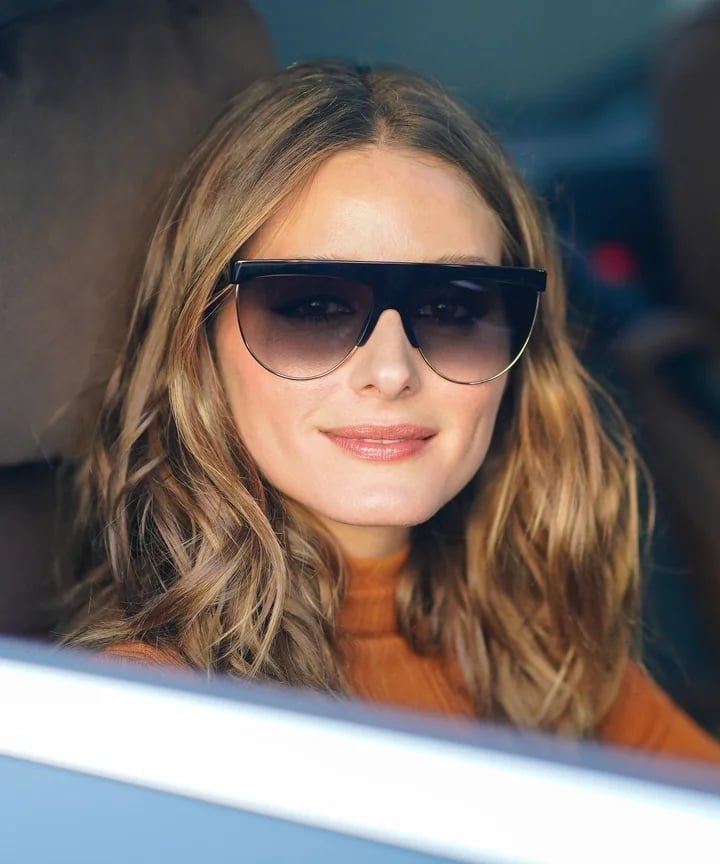
Fine hair with a dark blonde base and lighter blonde ends looks lighter without a full highlight schedule. The wavy blowout softens the transition further. The catch: this relies on the wave pattern to hide the root line, so straight styling means more frequent toning. A smoothing serum and round brush make the wavy blowout last two days, not four. Choose a different look for high contrast or very defined curls.
Dark blonde balayage with subtle ash tones in waves
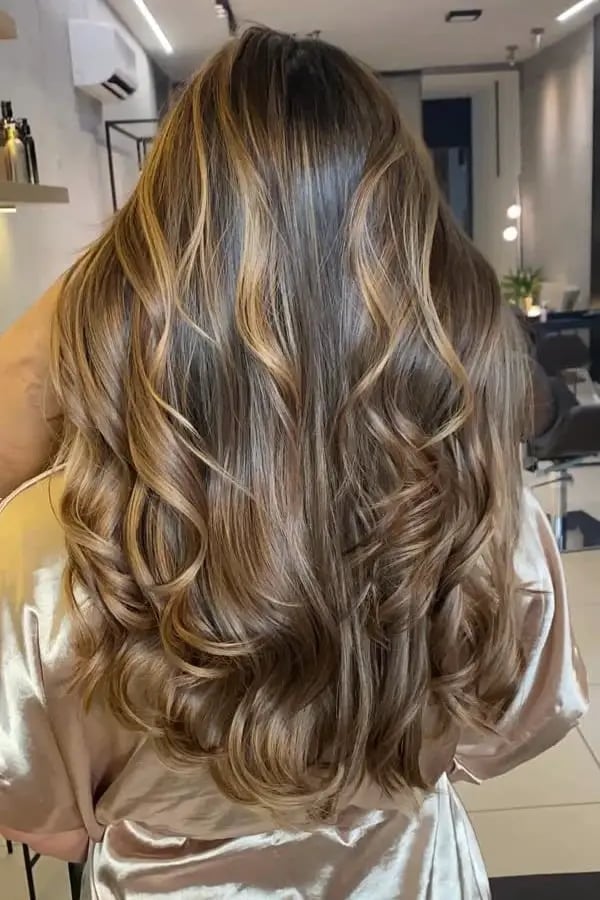
This style uses a dark blonde base with ash-toned balayage highlights. The centered parting and thick waves showcase the cool tones. Ask your colorist for: dark blonde base, ash-toned balayage highlights, wavy style, centered parting. Straight styles or high contrast may not suit this look.
Soft natural appearance with dark brown and caramel, close-up take
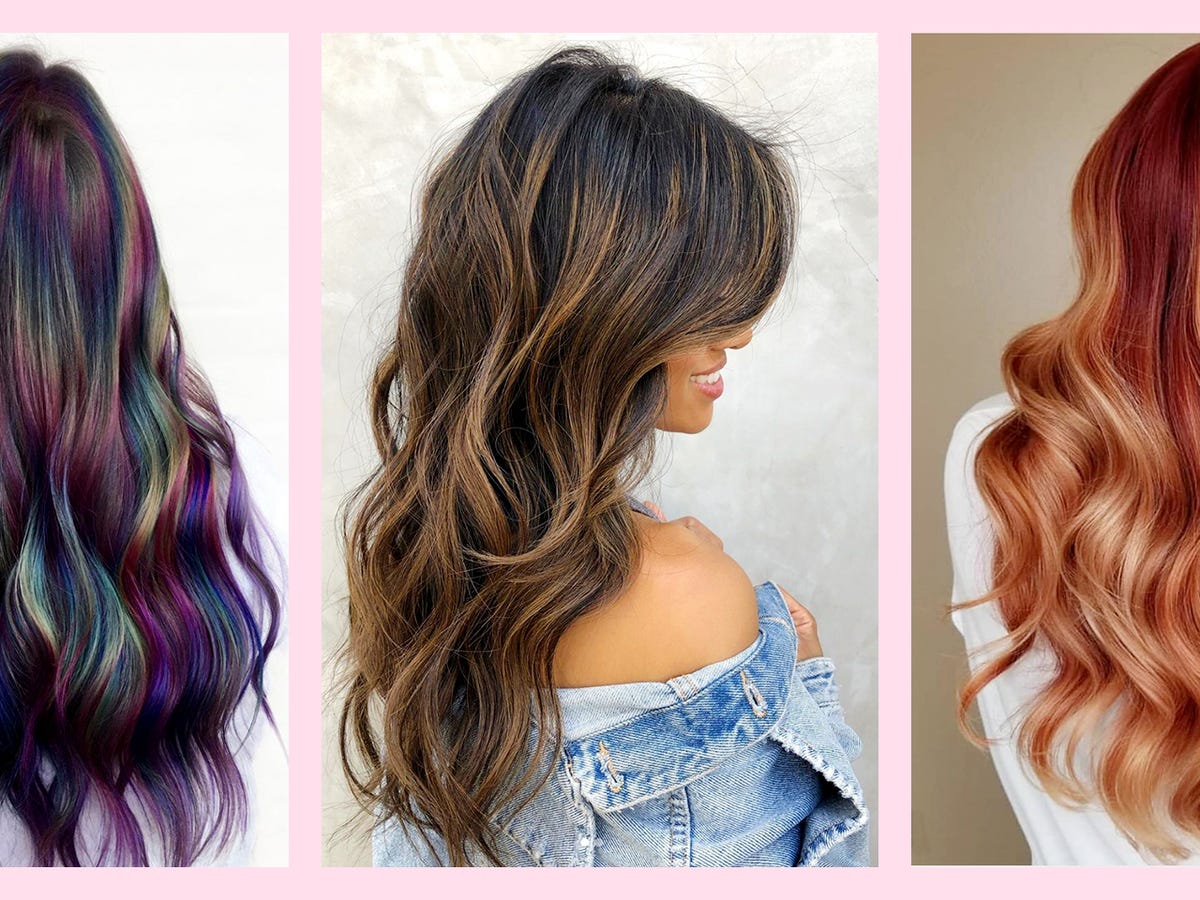
Dark brown with caramel balayage is a straightforward recipe that works best when the blend is the whole point. The caramel pieces sit a shade or two above the base, painted through the ends of thick, wavy hair. Layers cut through the density so the color creates movement instead of a solid block. A side part shifts the lighter strands forward, making the caramel visible without needing a full highlight schedule.
Thick, wavy hair starting at shoulder length gives the layers room to spread. The loose waves hold the shape because the cut removes enough weight to let the wave pattern form naturally. Dry hair holds the definition without crunch. Pass if you prefer sharp lines or very defined curls that fight the soft transition.
Natural dimensional effect with dark brown and ash blonde balayage
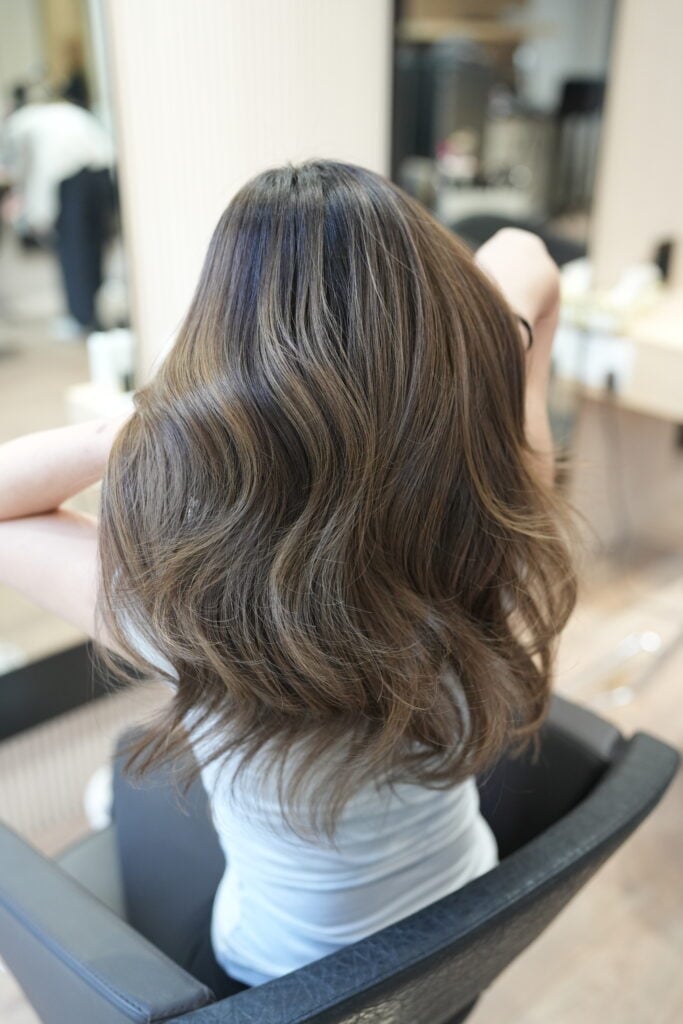
The mistake people make with dark brown and ash blonde balayage: they let the ash tone pull too cool, and the whole head looks flat gray. The fix is keeping the ash blonde subtle, just enough to lift the mid-lengths and ends without washing out the dark brown base. Thick, layered hair carries this better than fine hair, because the soft waves create shadows that keep the color dimensional. Request from your colorist: dark brown base, ash blonde balayage, soft waves, layered cut. A texturizing spray on dry hair refreshes the wave pattern between washes.
Natural lighter finish with dark blonde balayage highlights
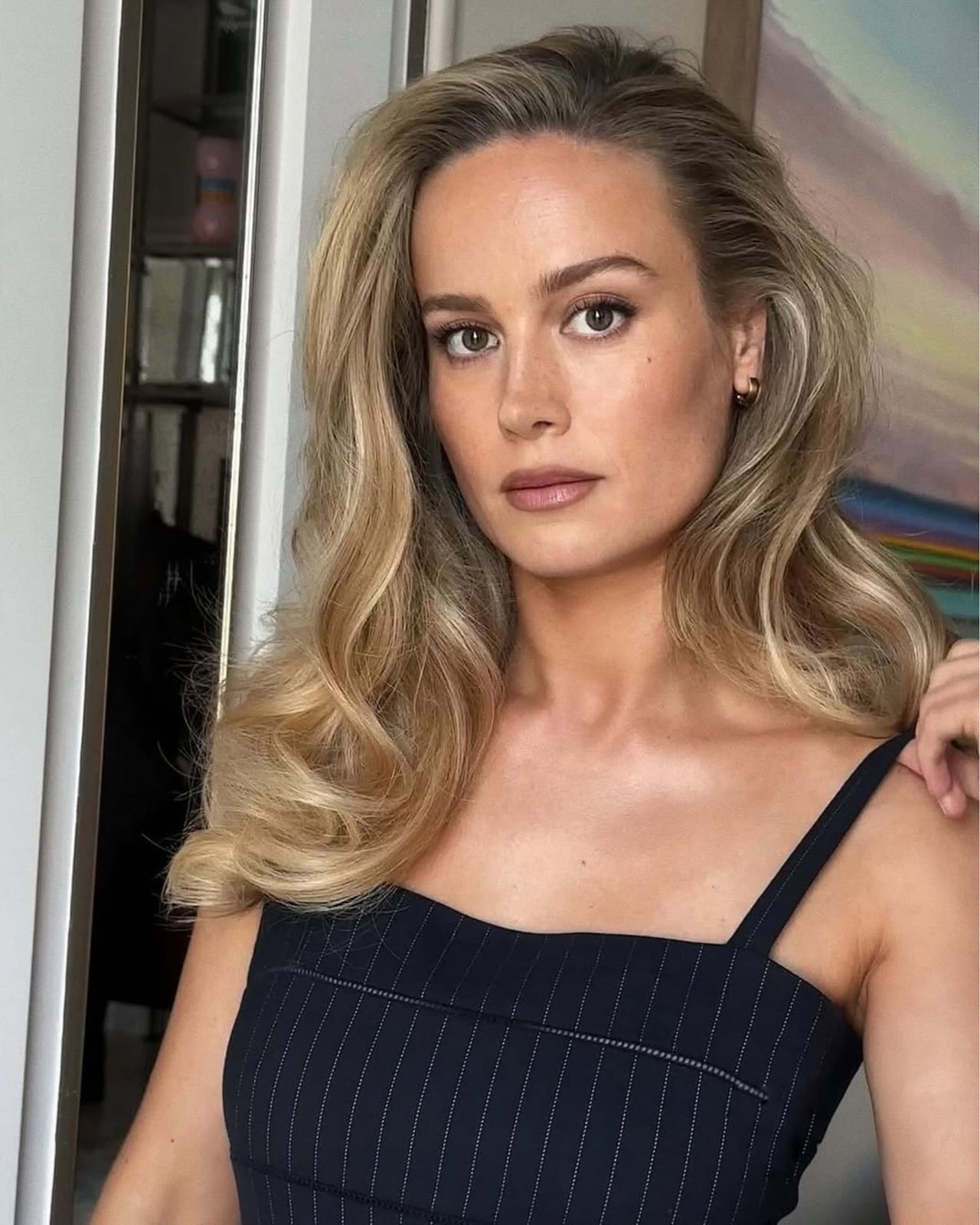
Between a full blonde balayage and a dark blonde base with lighter blonde highlights, the second option gives you the lighter finish without the root-line panic at week four. The middle part and layered cut let the lighter tones fall mostly around the face and on the ends. The fine texture keeps the blend soft. A texturizing spray on dry hair adds volume without weighing the waves down. It works best for those who prefer subtle blending over high contrast or very defined curls.
Dark blonde balayage with ash blonde highlights and face-framing money
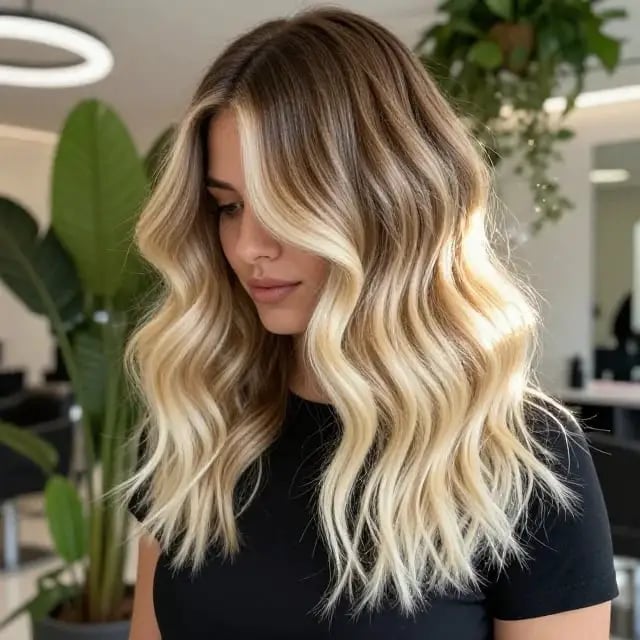
Fine, wavy hair gets the most from a money piece. That brighter blonde section around the front pulls the eye forward without needing a full head of highlights. The dark blonde base keeps the rest grounded, while the ash blonde balayage adds a cooler shift through the lengths. Curtain bangs soften the whole arrangement. Request from your colorist: dark blonde base, ash blonde balayage, face-framing blonde money piece. One warning: a money piece shows regrowth faster than the rest. You will want a toning gloss around week six to keep that front section bright.
The layered cut and waves give it volume, but the texture has to hold a wave naturally or with a quick dry. Dry shampoo on dry hair buys you a second-day look. It works best if you want a defined face-framing piece rather than a more blended highlight.
Ash blonde balayage transitioning from a darker base
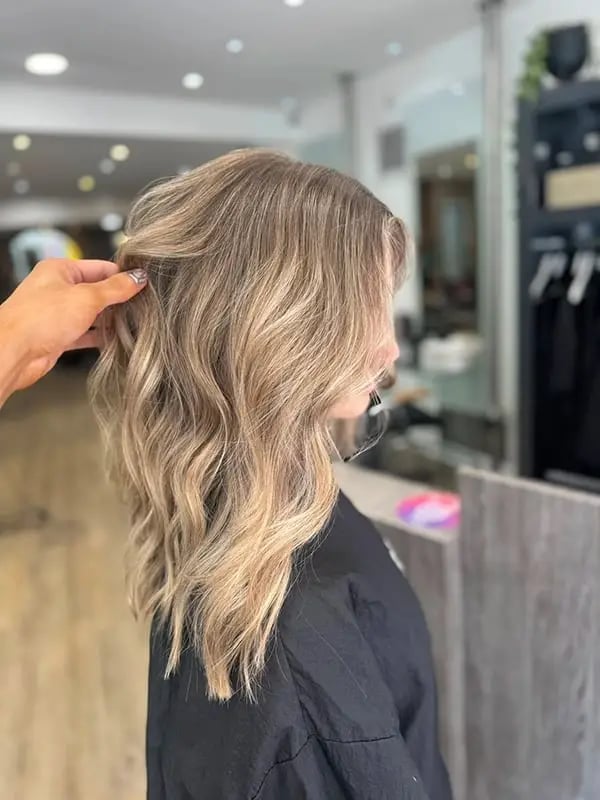
This is a straight-ahead ask: ash blonde balayage from a darker base to lighter ends. The subtle layers and soft waves let the color transition show, not compete. A middle parting keeps the look symmetrical and clean. The words for the chair are exactly that: ash blonde balayage, darker base to lighter ends, subtle layers, soft waves. No bangs, no extra framing. The cool tone does the work. One thing to know: ash blonde pulls more gray-green on some bases, so a toning shampoo every second wash is the standard fix. Pass if you prefer warmer tones or a very blunt cut.
Dark brown with caramel and blonde balayage highlights
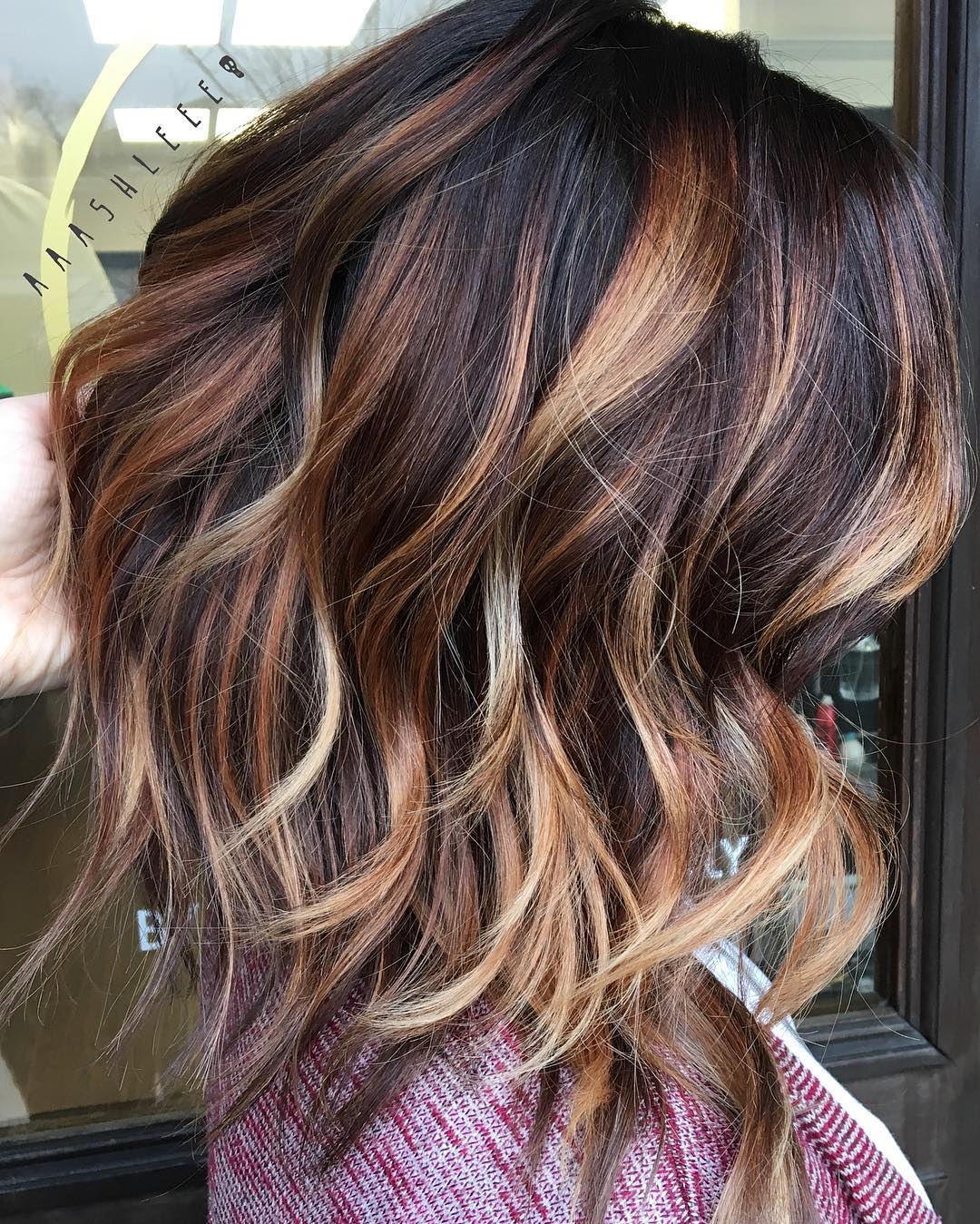
Two tones in one balayage means more chair time. The caramel and blonde pieces are painted separately, so expect about three and a half hours for the initial application. A dark brown base anchors both, keeping the look from feeling streaky. The layered cut and wavy styling show off the contrast. It is not a quick root-touch-up color. The grow-out is soft because balayage skips the root line, but the two tones mean the placement needs redoing every four to five months. A side part lets more of the caramel show on one side. Pass if you prefer a single tone or very straight hair.
Dark brown with caramel balayage and full bangs
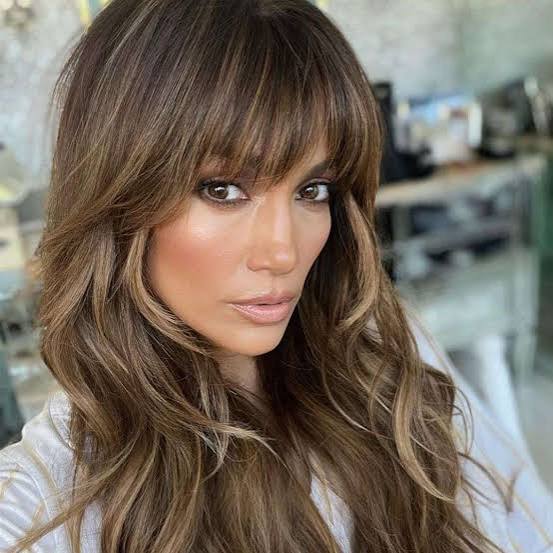
Full bangs with balayage is a specific build. The caramel needs to hit the bangs or skip them entirely, and in this case, the color stops at the brow line so the fringe stays dark. The dark brown base keeps the contrast clean. Thick, wavy texture helps the bangs hold shape without constant restyling. The words for the chair: dark brown base, caramel balayage, full bangs, layered cut. The bangs require a round brush and a blow dryer every morning. Pass if you prefer no bangs or have very fine hair that goes flat at the root.
Dark brown to copper balayage in soft layers
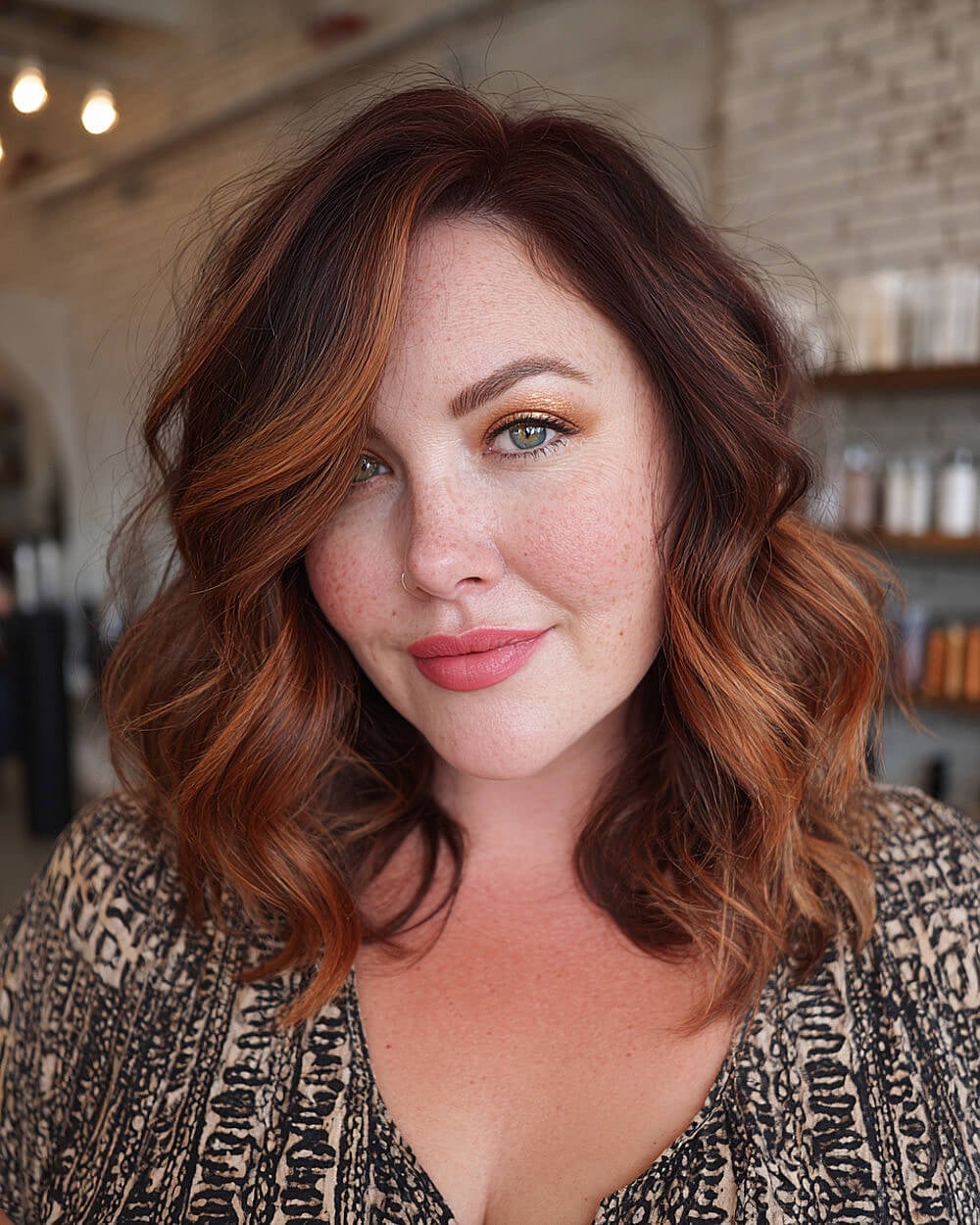
Copper balayage from a dark brown base is a color transition that demands a warm starting point. The copper will not appear bright on a very dark natural level. A pre-lighten to a warm brown is the usual step before the copper tone goes on. The soft layers at collarbone length let the color shift show through the ends. The wavy blowout gives it that dimensional look. The catch: copper fades faster than cooler tones. A color-depositing conditioner every third wash is the reality. It works best with a warm base and a wavy texture.
Final Thoughts
Pick the balayage that fits your texture and your morning routine.
- Fine hair: stick to a single lift tone and avoid chunky streaks.
- Ten minutes in the morning: a lived-in dark base with face-framing lighter pieces.
- Curly texture: curtain bangs and a soft blonde balayage keep definition without the triangle.
- Cool base that pulls brassy: schedule a toner every eight weeks.
Find the shade and style that makes you feel your best.