29 Dreamy Two Strand Twists 2027 with Curly Ends
Dreamy Two Strand Twists 2027 featuring short styles, curly ends, and space bun options. See 29 looks for your next protective style.

You are scrolling past the same braid-out again, looking for a protective style that actually holds its shape past Monday. Two-strand twists keep showing up on your feed because they do not require a second person to install, and they photograph well from day one to week five.
29 variations of the technique are collected here, from geometric partings to silver streaks, from ear-length to pulled-back. The range covers salon-level detail and DIY simplicity, which is why Dreamy Two Strand Twists 2027 fill so many saved boards. The struggle is finding the version that suits your texture and your schedule. This list does that part for you.
Geometric parting with two space buns and loose twists at the nape
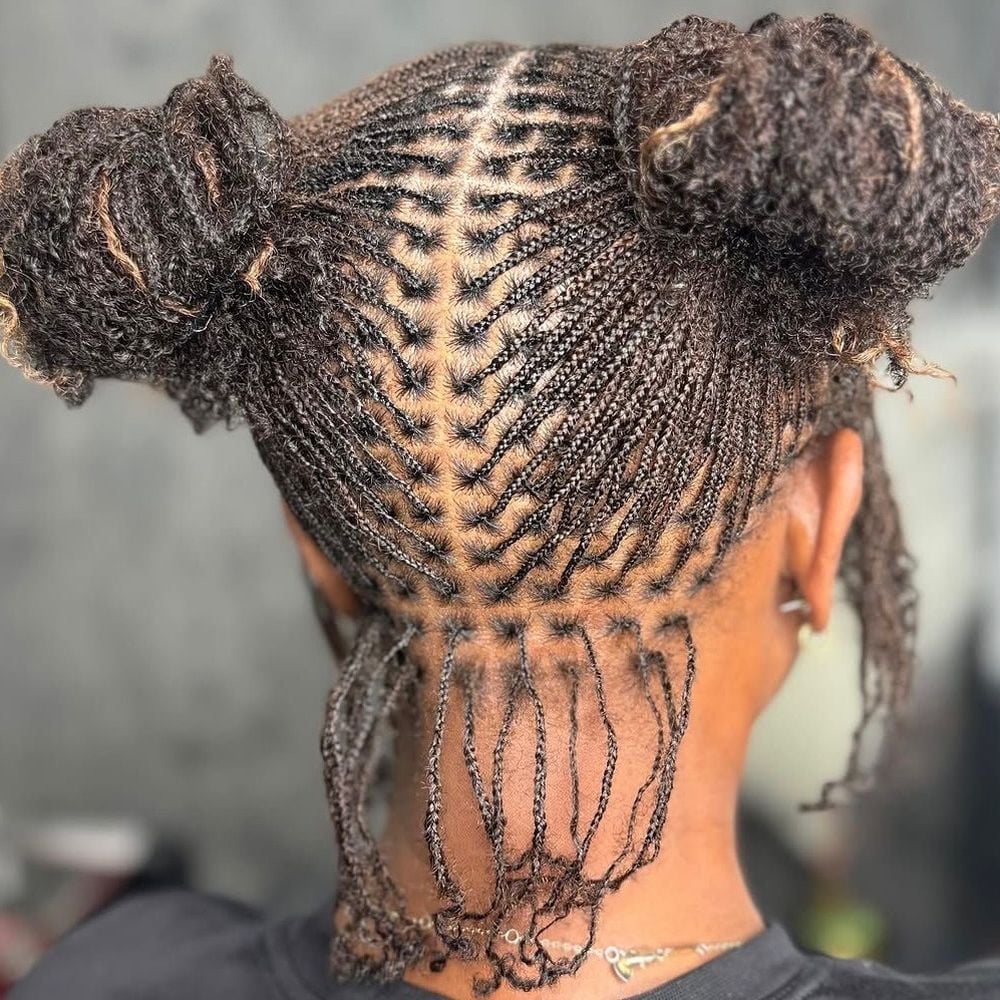
Dark brown coily hair gets a precise geometric parting on the crown, each section mapped before a single twist begins. The two space buns sit high and playful, while loose twists at the nape break the symmetry. Subtle blonde highlights add dimension, keeping the dense texture from looking one flat block. The middle part anchors the whole structure. Thick, coily or fine textures hold this shape well; the key is starting with at least collarbone length so the buns have mass. The catch: this style commits to elevation, not a completely down look. Ask your stylist for two strand twists with a geometric parting, space buns, and loose nape twists. A light serum maintains twist definition, and a silk scarf at night protects the buns from frizz.
Every twist here is intentional, not a single strand left to chance. The geometric lines mean your stylist maps the scalp like a blueprint before the first section gets twisted. That precision takes time, but the result holds its shape for days. The loose twists at the nape soften the overall silhouette, so the style looks structured without feeling severe. For fine hair, the buns benefit from a small amount of added texture to keep them from collapsing by midday. The subtle blonde highlights add dimension without overwhelming the base color.
Defined twists with loose curls framing the face
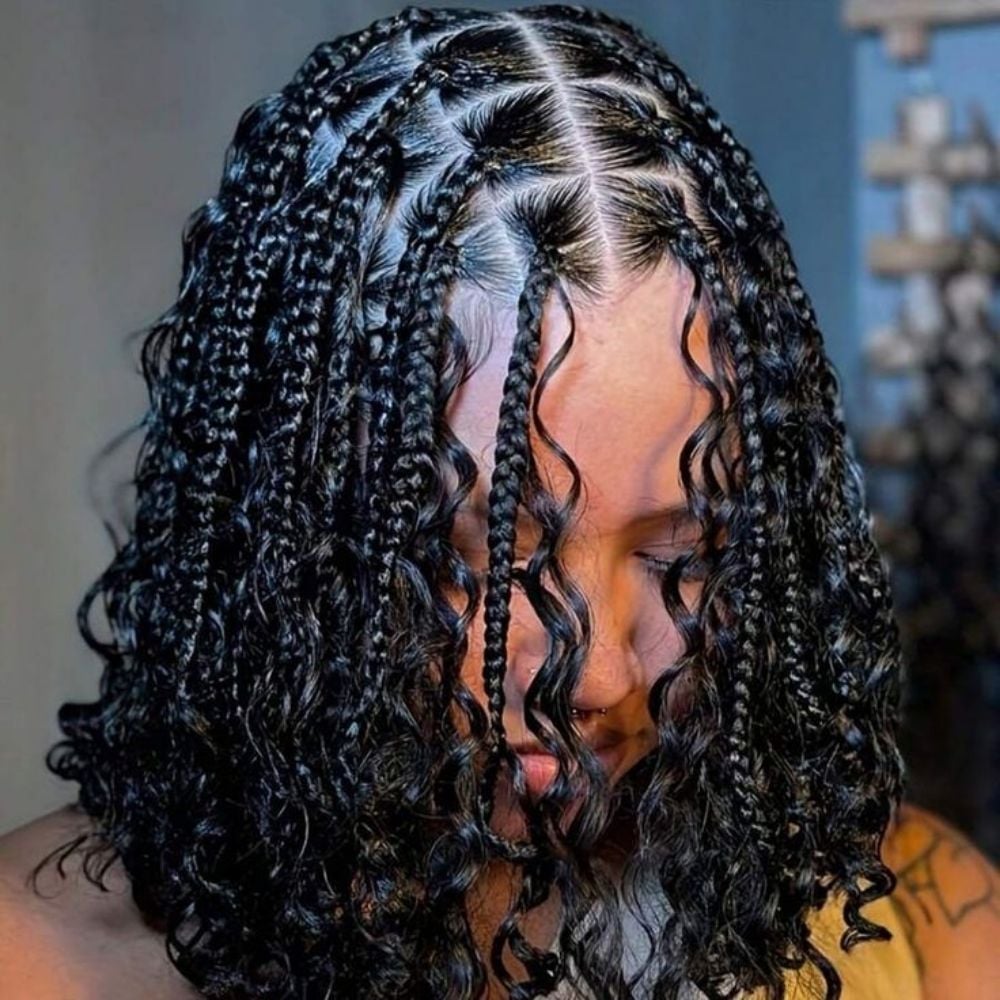
Neat two-strand twists form the base, then transition into loose defined curls at the ends, a two-texture approach that separates this from a uniform twist style. The middle parting keeps the face symmetrical, while the curly ends frame the jaw. Thick, wavy hair at shoulder length or longer gives the curls enough weight to hang without frizzing. The contrast between the two textures is the defining feature. A curl-defining cream on the ends, refreshed daily, keeps the two textures distinct. The hold relies on the twists staying tight at the root and the curls staying loose at the tip. Any blur between the two makes the effect look unfinished.
Defined two strand twists for ear-length coily hair
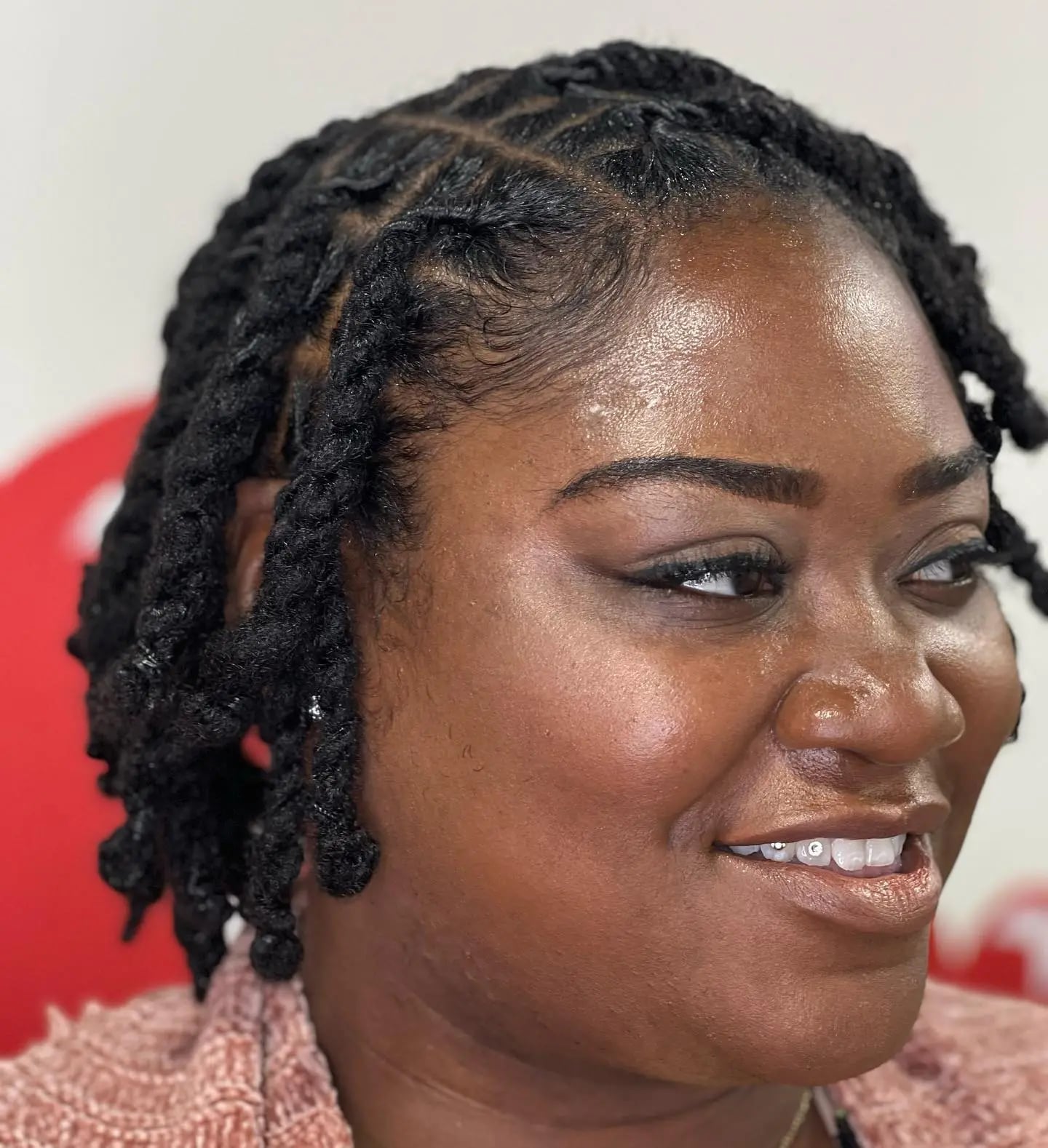
Ear-length coily hair in defined two-strand twists, parted down the middle with a clean hairline that shows every section. Short hair gains structure here, each twist sitting tight against the scalp without bulk. Thick coily textures hold the definition best. The natural grip keeps the twists from unraveling by day two. The catch: fine hair may not hold the shape as long; the twists can loosen within a day or two. Ask your stylist for short two strand twists and a precise middle part. A lightweight oil added every few days keeps the coils from drying out. The hold is strong enough for daily wear but not so tight that it pulls at the edges.
Thick defined two strand twists framing the face
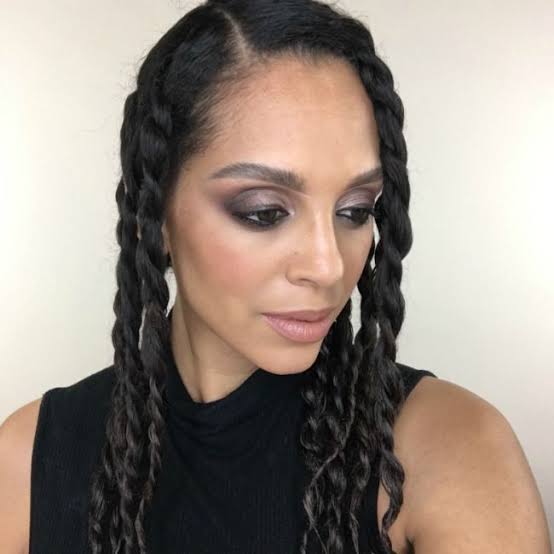
Want the dense, impactful look without the weight of added hair? Thick defined two-strand twists in deep black, parted in the middle and styled to frame the face, deliver volume from your own texture. The wavy, thick strands create a full silhouette that works best on shoulder-length or longer hair, short hair lacks the mass to look deliberate. This style lands on the substantial side. A holding spray helps maintain the shape between washes, and minimal manipulation keeps the definition intact. The hold lasts several days if you avoid excessive touching.
Zig-zag cornrow pattern with two strand twists
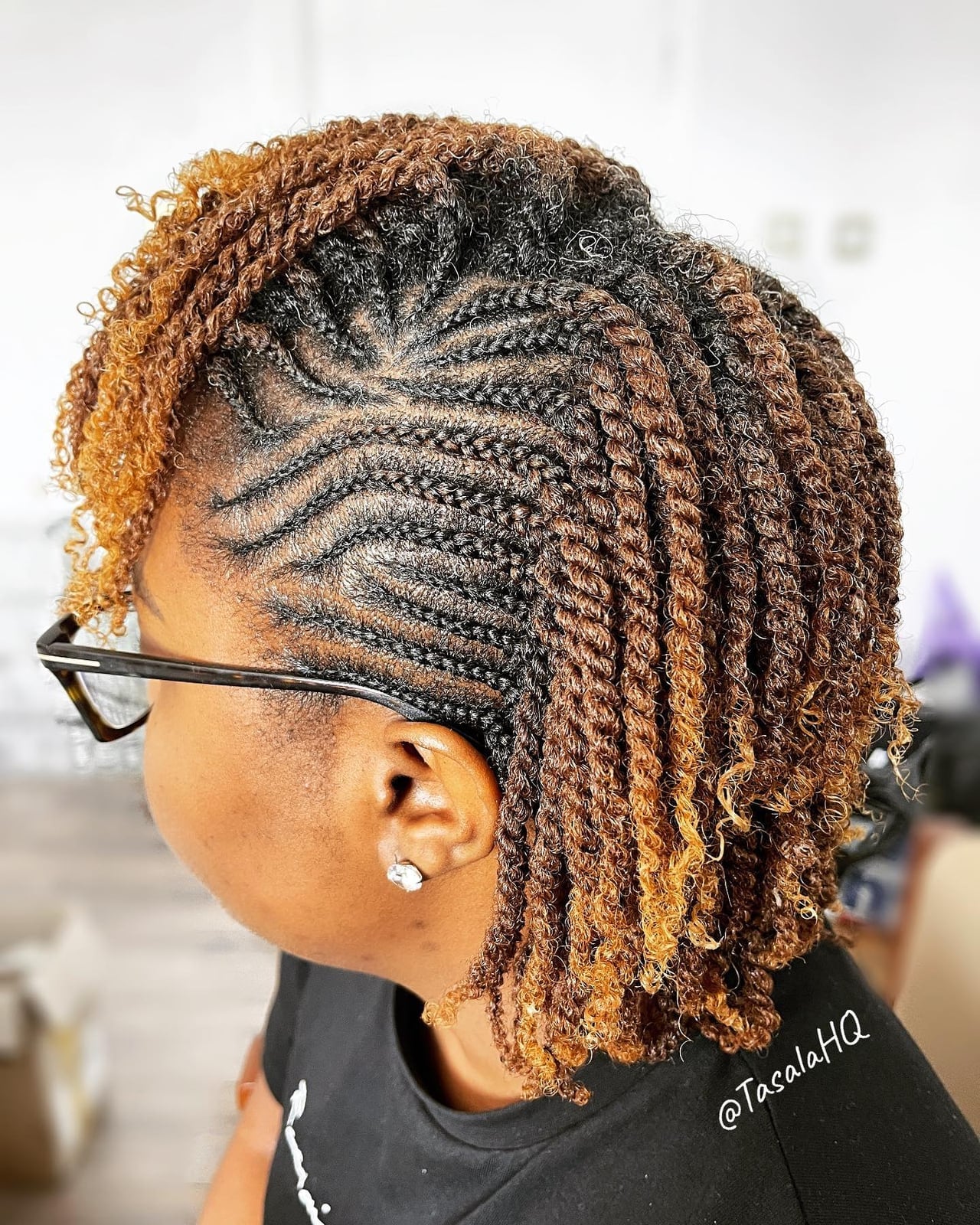
A zig-zag cornrow pattern on the sides feeds directly into two-strand twists, creating a style where the base and the length are equally considered. Dark brown hair with honey blonde highlights adds contrast without needing full color. The lighter pieces sit along the cornrow lines and the twist lengths, drawing the eye at every turn. Thick, curly hair at collarbone length or longer works best here; the cornrows need enough tension to stay flat, and the twists need enough weight to hang. The ends are left out to frame the face, a detail that softens the geometric lines of the zig-zag pattern. This style relies on the mix of techniques. Ask your stylist for two strand twists with zig-zag cornrows on the sides and honey blonde highlights. A lightweight oil keeps both the cornrows and the twists moisturized without weighing down the curls at the ends. The hold is secure across both textures, but the cornrows may need a touch-up at the hairline after two weeks.
Sleek twists transitioning to loose wavy curls
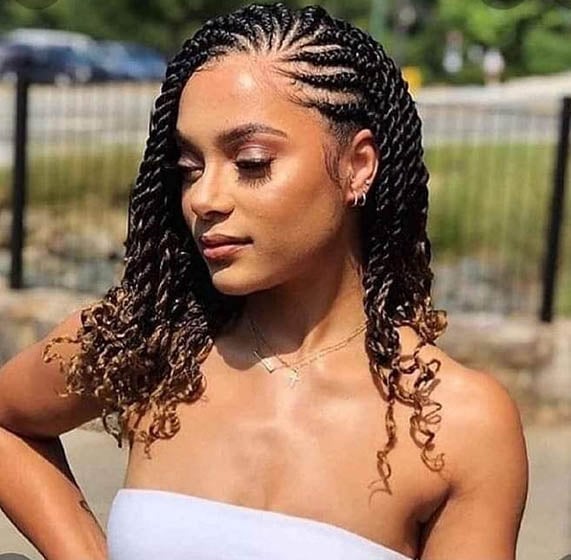
Contrast this with a full set of uniform twists. Here the body of each twist stays smooth and defined, then the last inch or so unravels into a loose wave. The middle part keeps it symmetrical, and the honey brown at the ends catches a different light than the black above. You need thick hair at shoulder length or longer for the transition to read clearly. A fully twisted style where every strand matches from root to tip is a different look. Apply a curl enhancer to the ends daily to keep the wave pattern from frizzing; the twists themselves need little attention.
Ombre two strand twists pulled into a ponytail
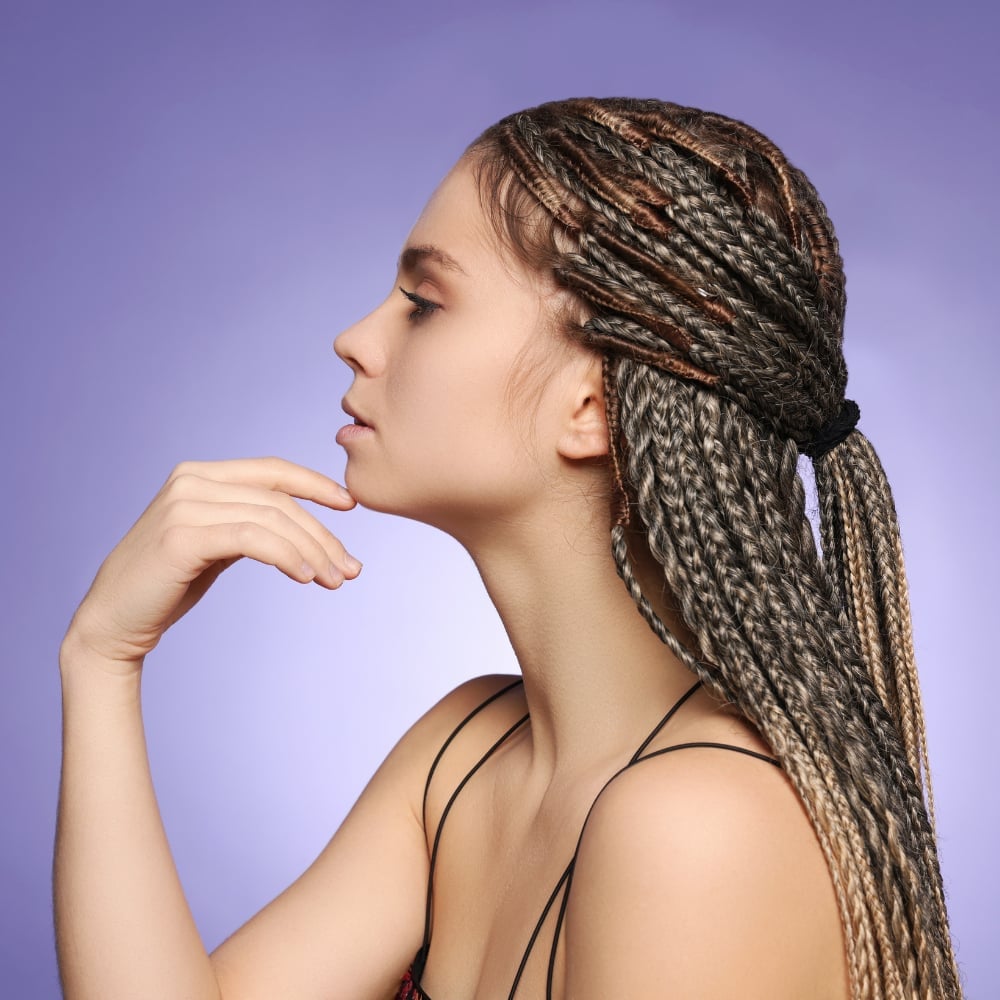
An ombre on twists means the color change happens along the length of each twist, not in blocks. Dark brown roots shift into blonde ends with blonde highlights woven through. The ponytail gathers all that contrast into one fall of hair, so the gradient reads clearly from the back. You need thick, coily hair that reaches at least mid-back for the ponytail to have weight and the ombre to have room to transition.
Tell your colorist: two strand twists with an ombre, blonde highlights on the ends. Secure the ponytail with a soft fabric tie to avoid snagging the twists. The ombre needs a toning refresh every six to eight weeks to keep the blonde from pulling brassy against the dark base.
Geometric parting with two strand twists in a bun
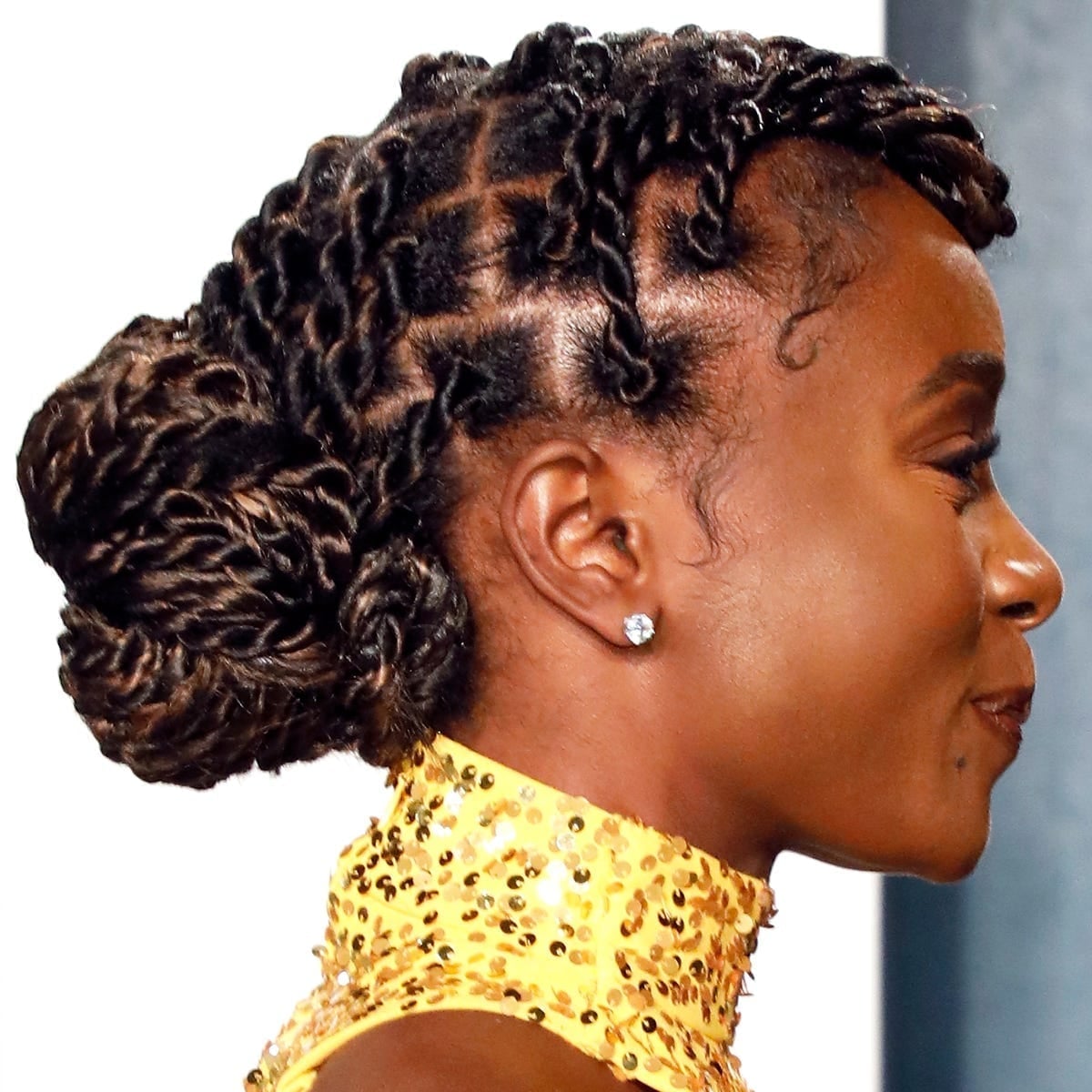
What makes this design work is the precision at the crown before anything gets gathered. The twists are parted into clean geometric shapes, each section a deliberate square or triangle, and only then pulled into a low voluminous bun at the nape. The dark brown base gets subtle auburn highlights, so the parting lines have a faint warmth around them. The bun hides the twist ends, which means the geometry stays the focal point. Use bobby pins to secure the bun firmly; a light hairspray can add hold without stiffening the twists.
Defined spiral twists with face-framing layers
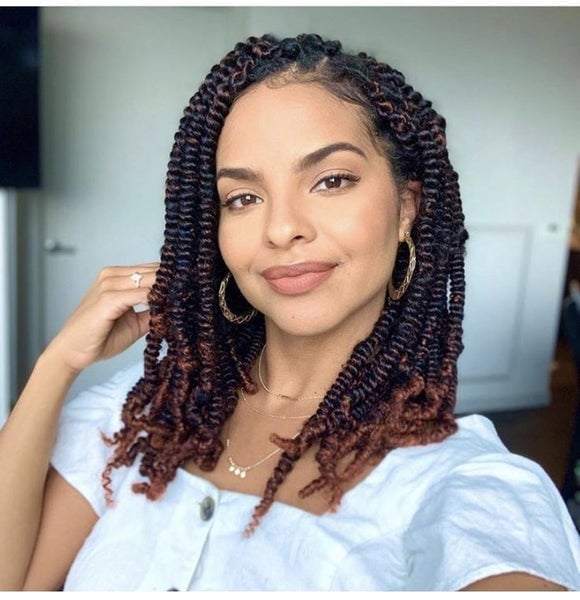
Twists with face-framing layers shorten the visual weight around the jaw. The middle part lets the auburn highlights sit evenly on both sides, and the spiral definition keeps each twist from looking flat. You want thick, wavy hair at shoulder length or longer for the layers to have enough length to actually frame the face. Skip it if you prefer a uniform twist length where every strand ends at the same point. Ensure the face-framing pieces are styled forward to best showcase their effect; re-twist as needed to maintain the spiral pattern.
Two strand twists in a half-updo with a high bun
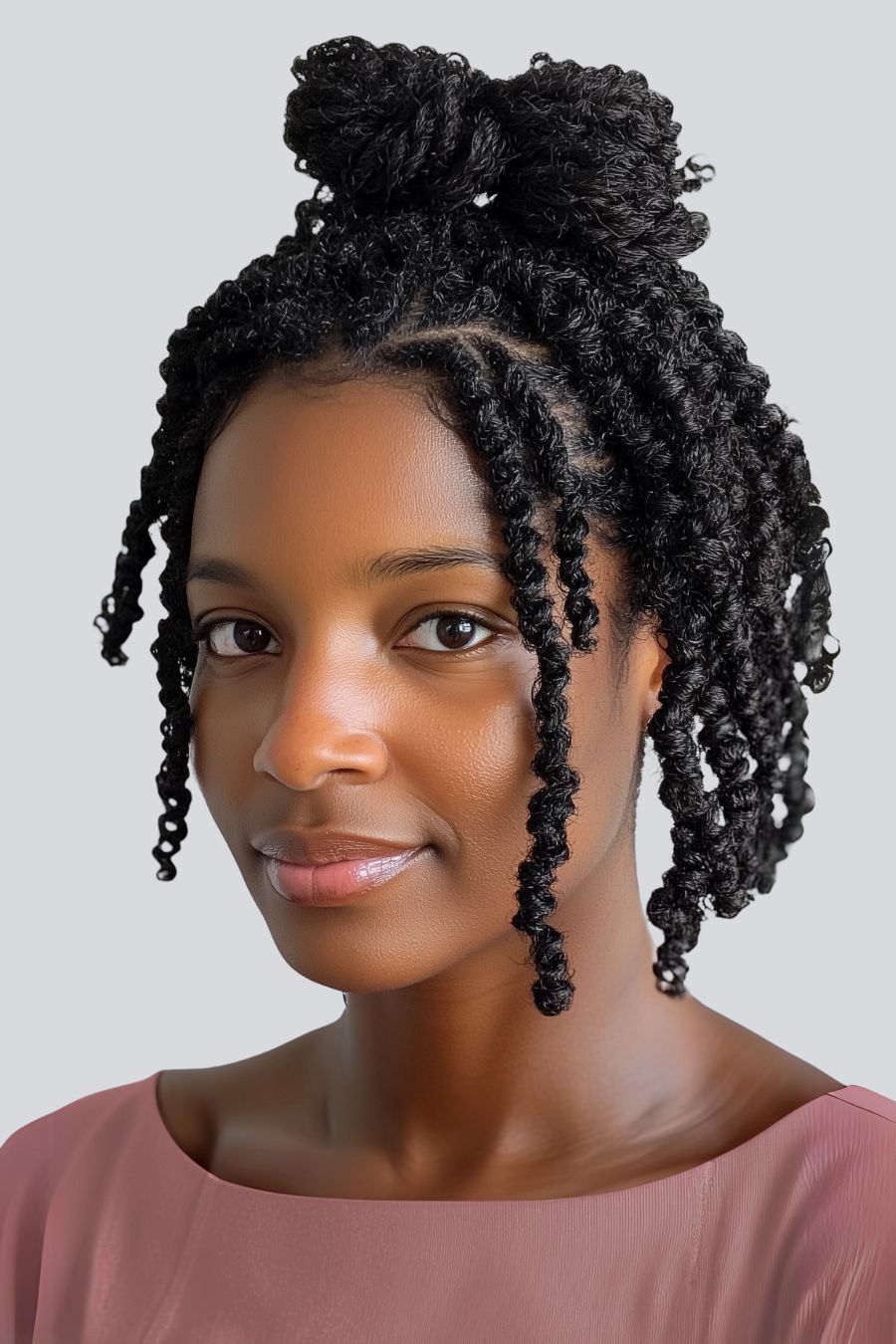
A half-updo with a high bun at the crown, not the nape, and face-framing tendrils left loose on each side keeps the style from looking unfinished. The coily black twists hold the bun shape without needing pins in every strand. You need at least collarbone length for the bun to have volume and the tendrils to reach past the ear. Tell your stylist: two strand twists, half-updo with a high bun, face-framing twists left out. Use a strong hold hairspray for the bun and tendrils to keep everything in place.
Ear-length two strand twists with gold charms
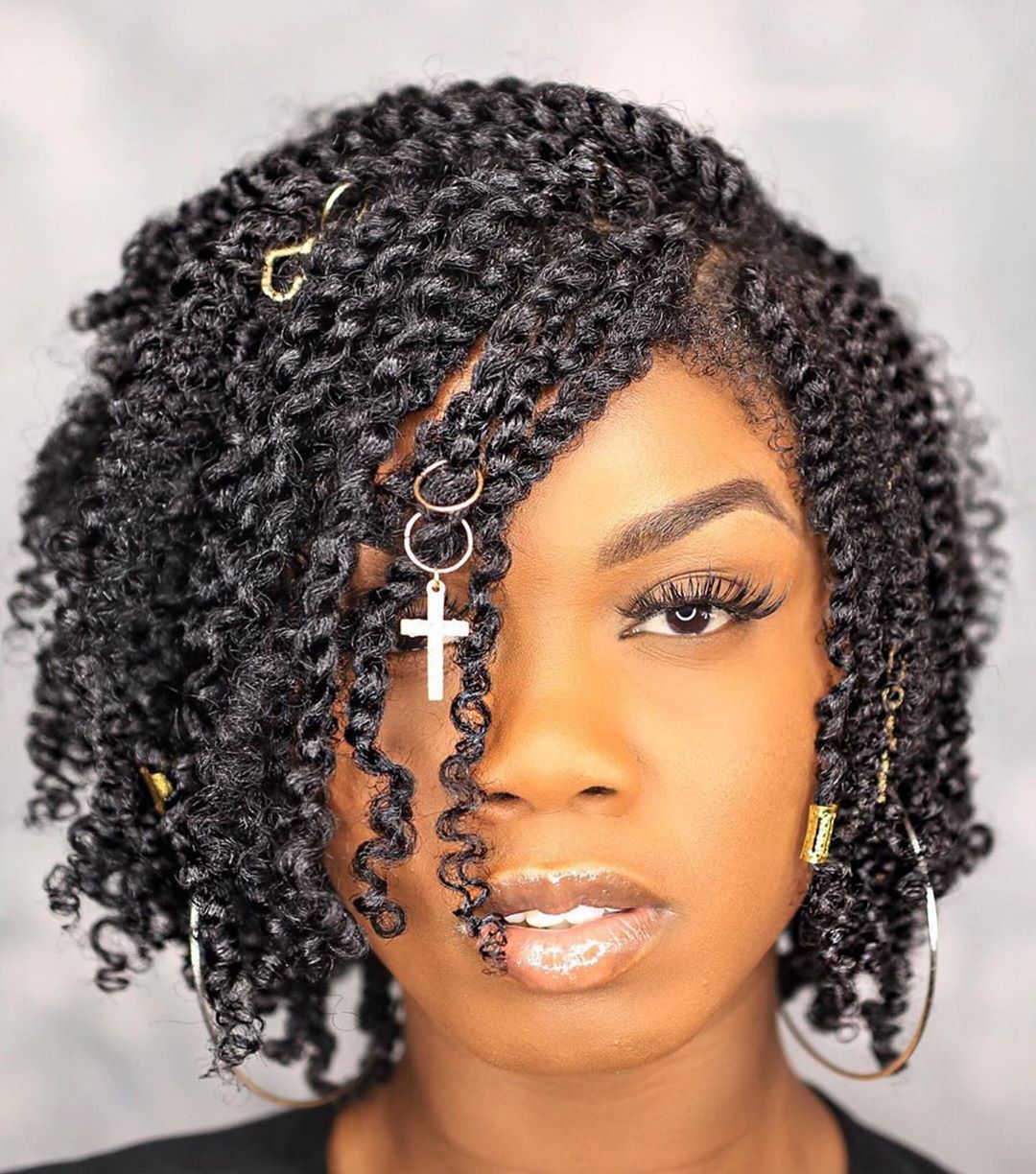
Gold charms on ear-length twists add weight so the ends hold their shape without frizzing. A cross pendant sits at the side part. Thick, curly black hair gets structure from consistent sectioning. The hold is solid enough for a full week. Charms need checking before each wash.
Neat style for protective results
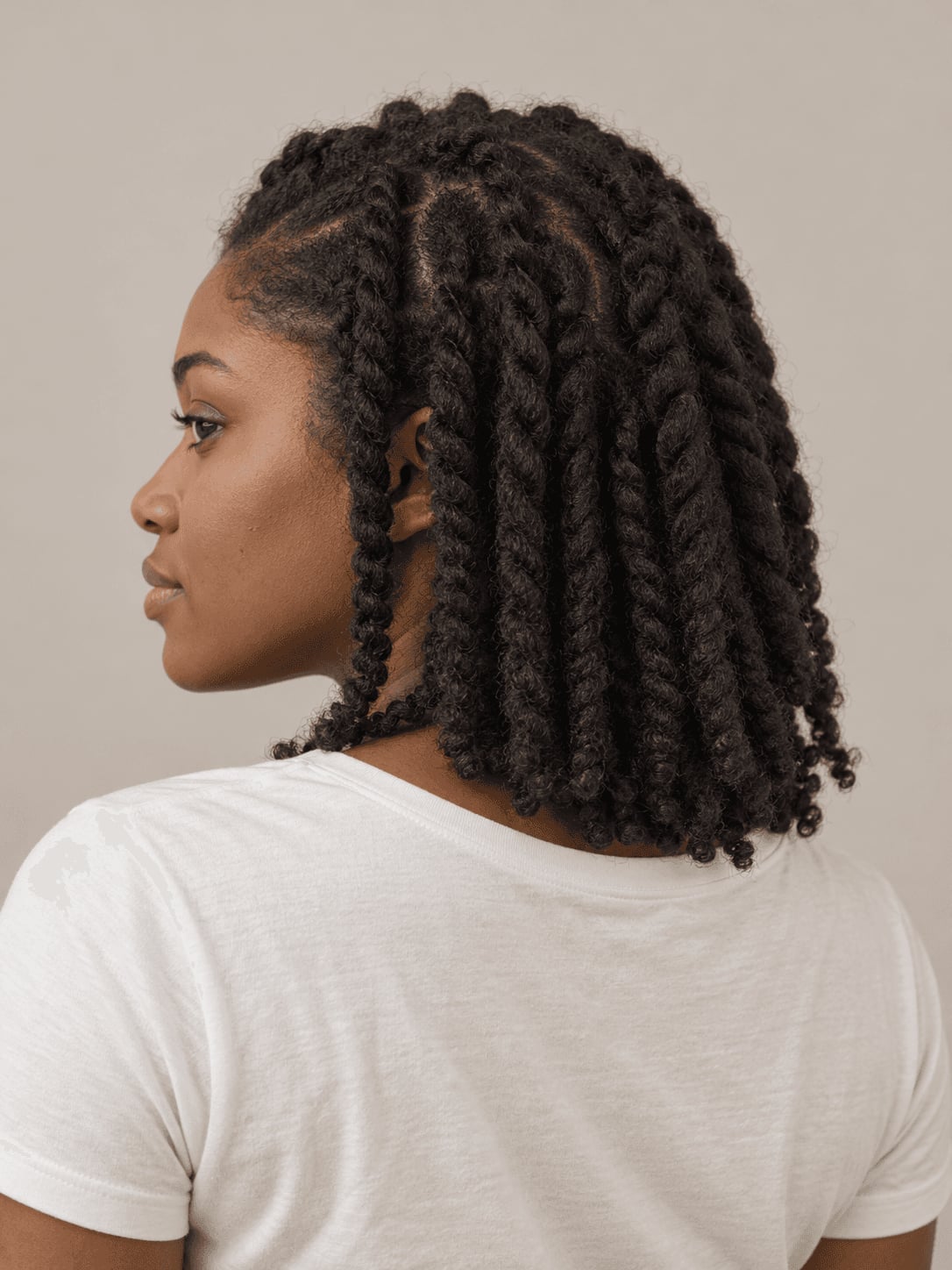
Defined dark brown twists with a middle parting look salon-finished rather than thrown together. Thick, coily hair holds the neat sectioning well, especially when the twists are uniform in size. A satin bonnet at night keeps the part crisp and the ends from unraveling. Expect to re-twist the front edges around week four. The style lasts about six weeks before the roots need attention, with the hold staying consistent through the first month.
Layered two strand twists with auburn highlights
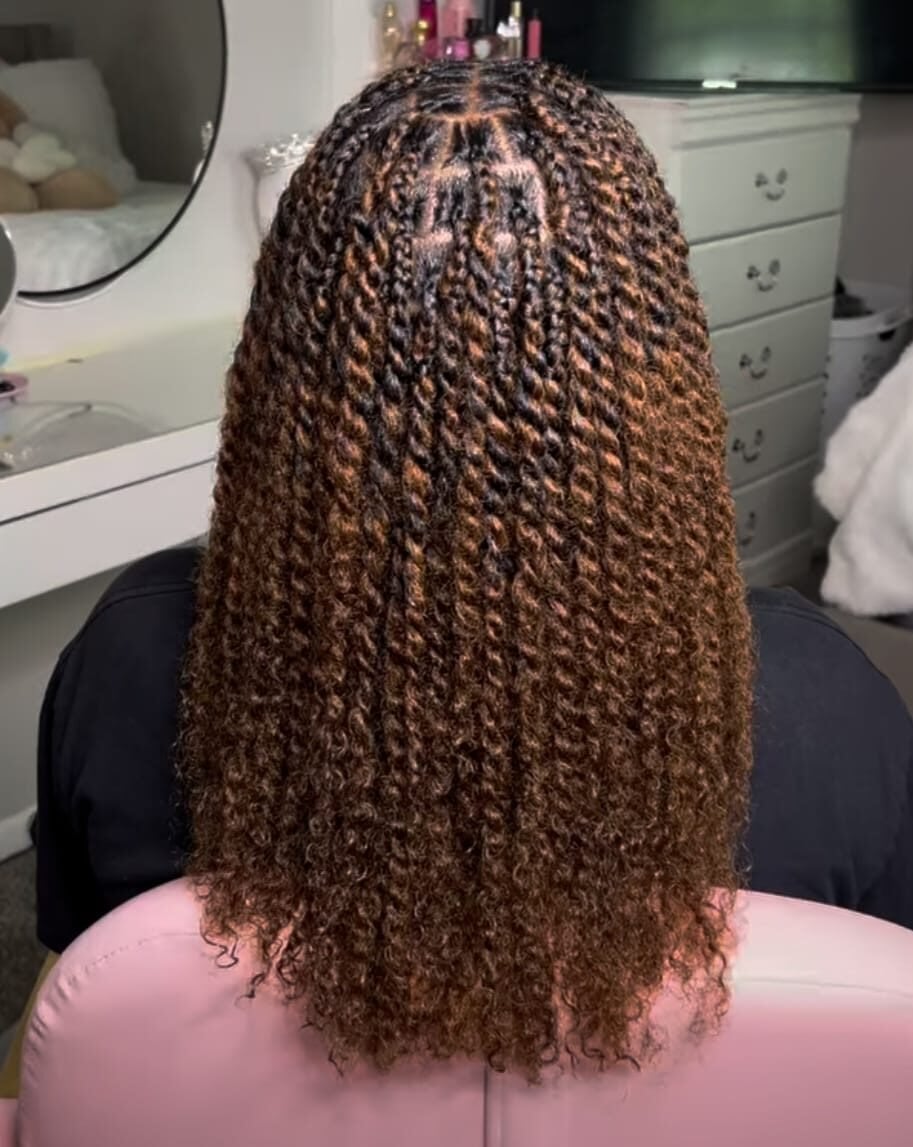
Dark brown twists get a lift from subtle auburn highlights woven through the sections. The middle part lets the color read evenly on both sides. Layered ends mean the twists graduate in length, so the back sits heavier while the front frames the collarbone.
Thick, curly texture helps the auburn strands peek through without overpowering the base. The technique uses two-strand twists all the way down, no loose ends. Color-safe shampoo keeps the warm tones from dulling. Hold is firm. These twists stay defined until you take them down.
DIY defined two strand twists with side part
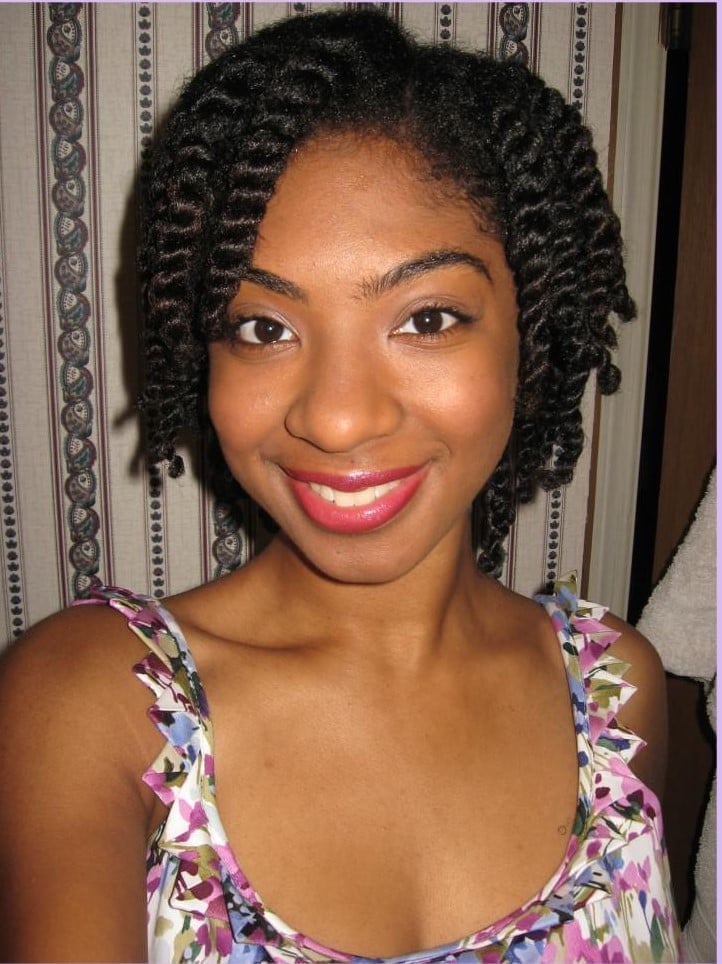
Side part twists look deceptively simple until you section the first quadrant. The common mistake is uneven part widths, which makes the finished set look lopsided. Thick, coily black hair grips best with a styling cream worked through damp sections. A rat-tail comb keeps the side part razor-straight. The hold is good for a week, then the front edges need re-twisting. Not for anyone who rushes through sectioning.
Uniform auburn two strand twists with side part
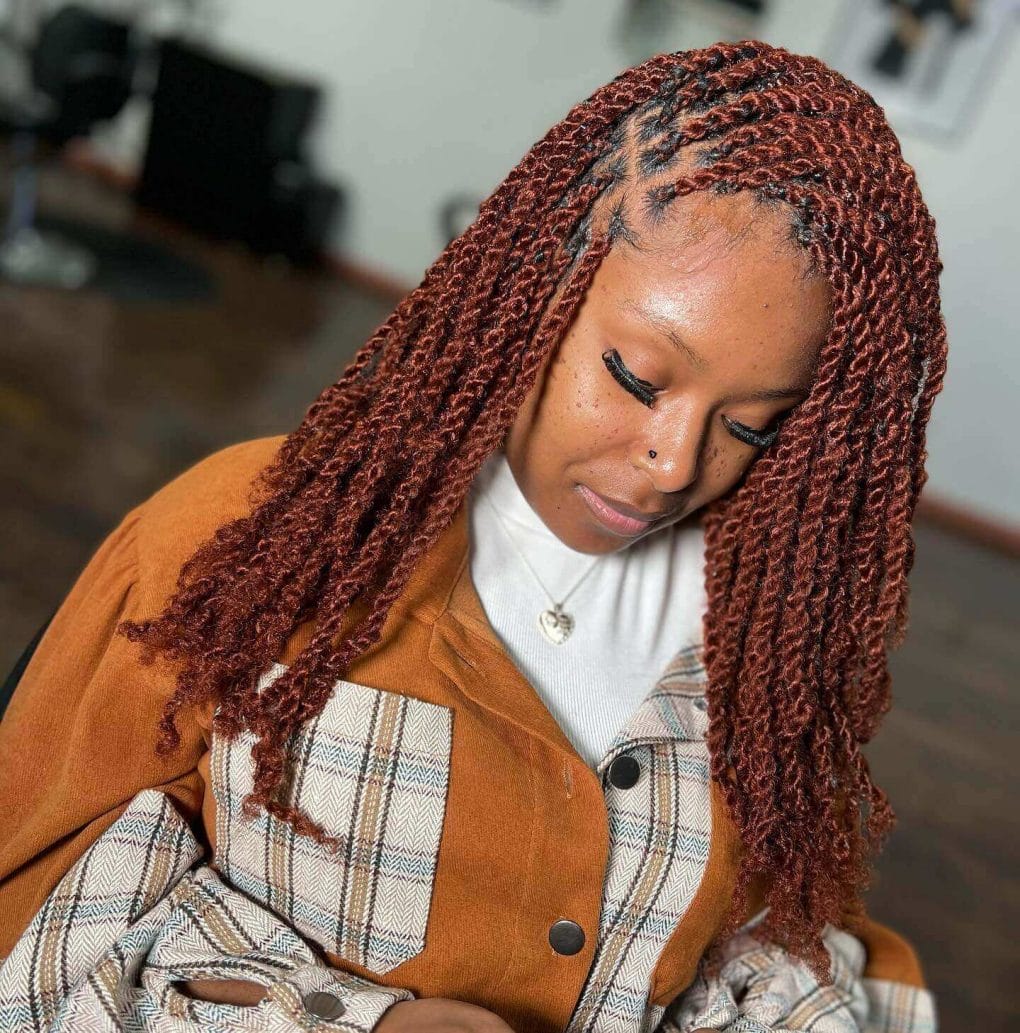
Auburn reads true when the twists are uniform in size, each section the same width from root to end. Thick, coily texture holds the color evenly, with no patchiness at the mid-lengths. The side part creates a clean diagonal line that breaks up the roundness of the head shape. Defined and intricate, yes, but the real work is in the parting. Skip it if you prefer darker hair colors, the auburn demands upkeep.
Neatly sectioned black two strand twists
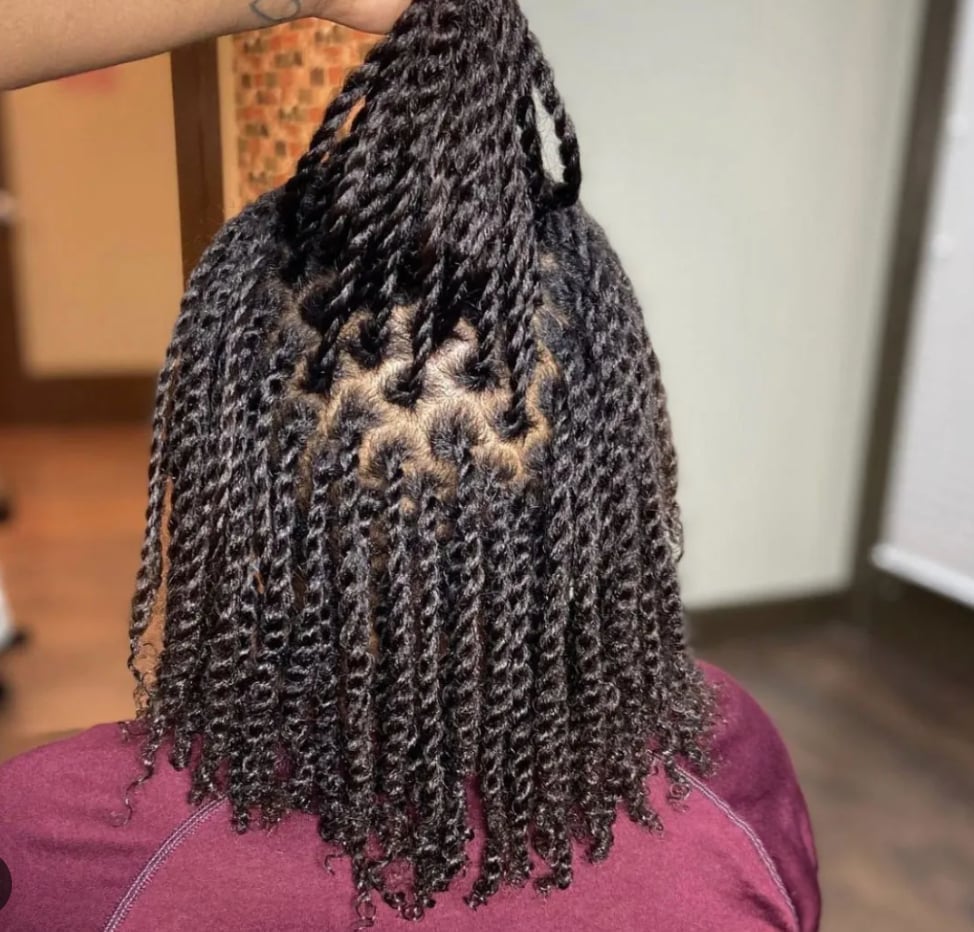
Some styles aim for a relaxed, slightly tousled feel. These are not those. Thick, coily black hair here is divided into precise, neatly sectioned two-strand twists with deliberate geometry rather than casual texture. The middle part runs clean from front to nape, each twist its own uniform column.
This is the style for someone who wants their protective style to look freshly done for the full wear period. Twists that loosen up over time or show a little root fuzz are not the goal here. The whole point is the crisp, just-sectioned finish. Ask your stylist for neatly sectioned two strand twists with a precise middle part.
Striking blonde highlights weave through twists
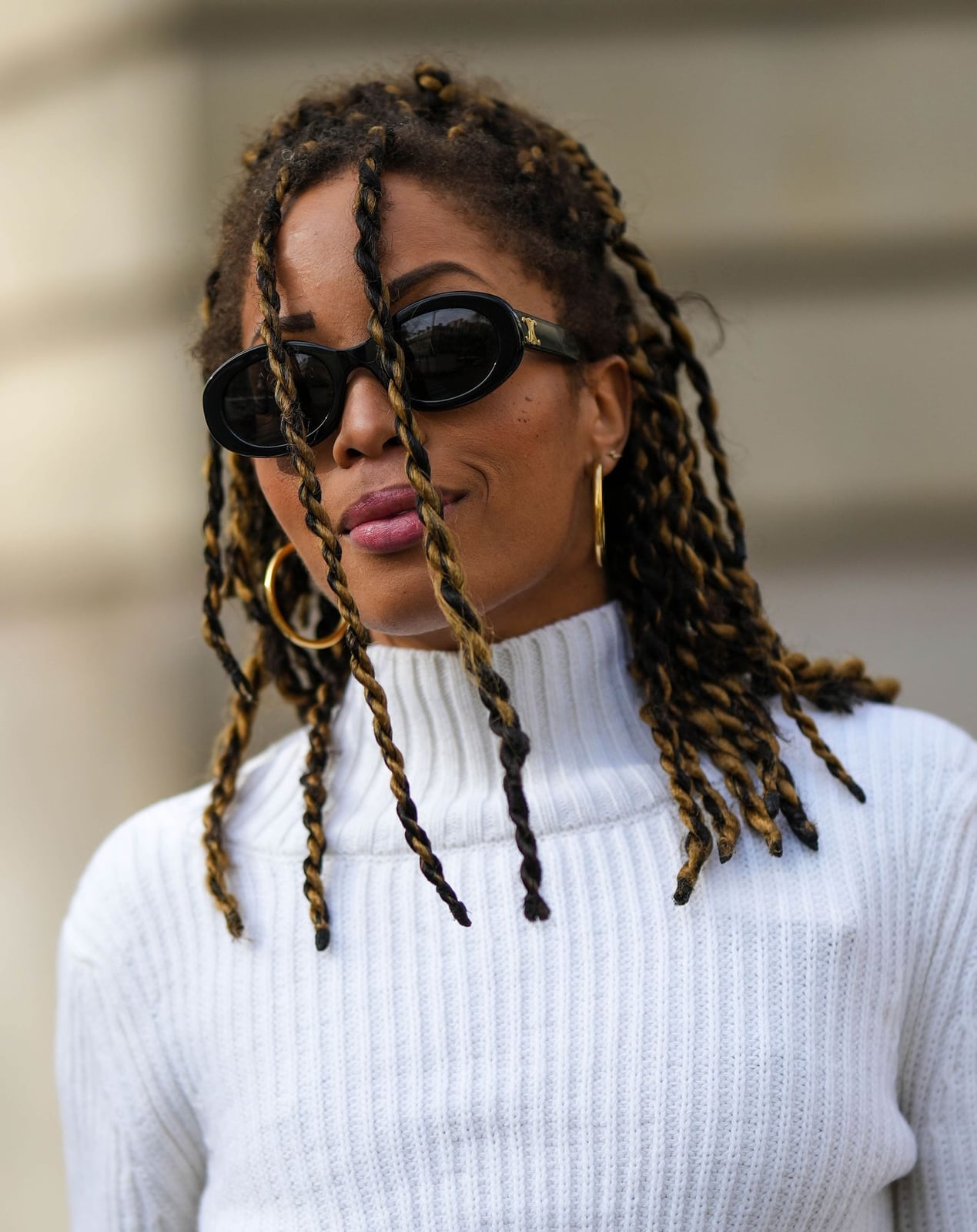
Blonde highlights woven through black two strand twists create a defined color placement. The middle part keeps the symmetry clean, while the blonde strands add contrast without overwhelming the base. Thick, coily texture holds the definition well. This requires a stylist who understands how to weave color into twists without creating a muddy blend.
Neatly separated twists framing the face
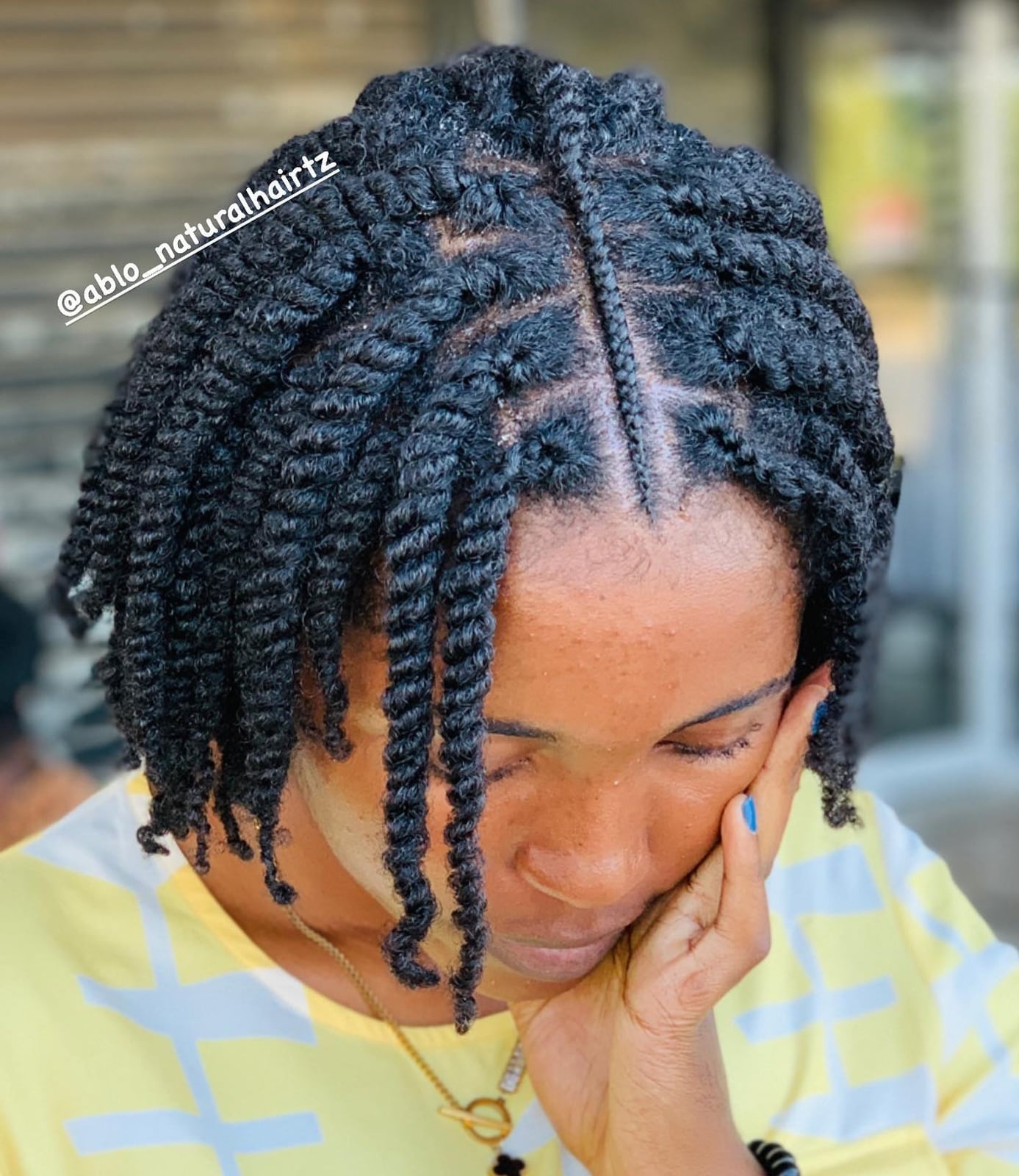
A middle part and face-framing twists suit a long face shape by adding width at the sides. Thick, coily hair here is sectioned into neat, defined twists that curve forward around the jawline, softening the overall silhouette. The layers allow the front twists to sit shorter than the rest, a detail that makes the framing look intentional.
Skip this if you prefer uniform length all around. The face-framing pieces require a stylist willing to cut into the twist lengths. Ask your stylist for neatly separated two-strand twists with face-framing layers.
Blonde two strand twists at the crown

Volume at the crown changes the whole silhouette. The contrast works best on thick, curly hair that can support the weight of the longer cascading twists in back. The blonde section stays concentrated at the top, so it looks a highlight accent rather than a full color commitment. A color-depositing conditioner on the blonde keeps it from dulling.
Two strand twists pulled into a high ponytail, black
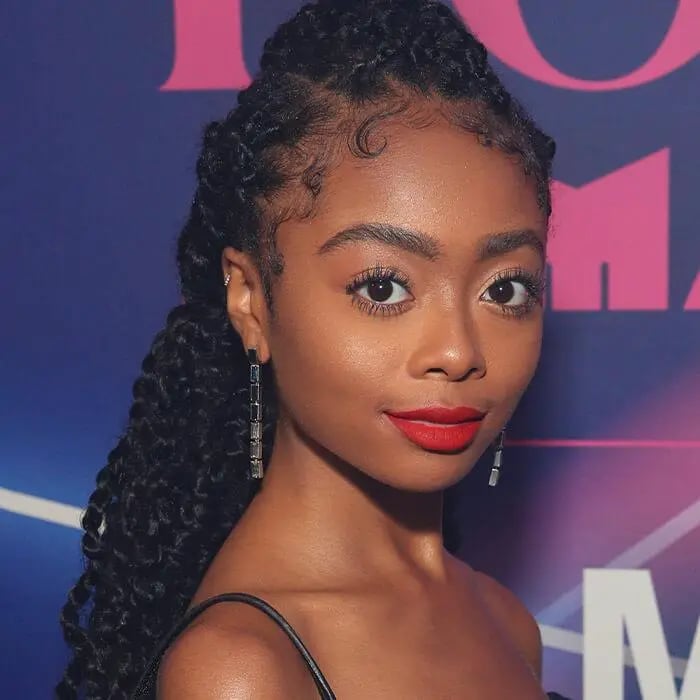
A high ponytail of two-strand twists looks formal without extra effort. Long, thick, coily hair is gathered at the crown, each twist falling in a clean column. The deep black color keeps the silhouette uniform. Defined baby hairs frame the hairline, a detail that takes the look from simple to neat.
This hold lasts through a workday and into an evening event. The elastic needs to sit softly to avoid crushing the twists at the base. Ask your stylist for two strand twists into a high ponytail with defined baby hairs.
Neat center part on black twists
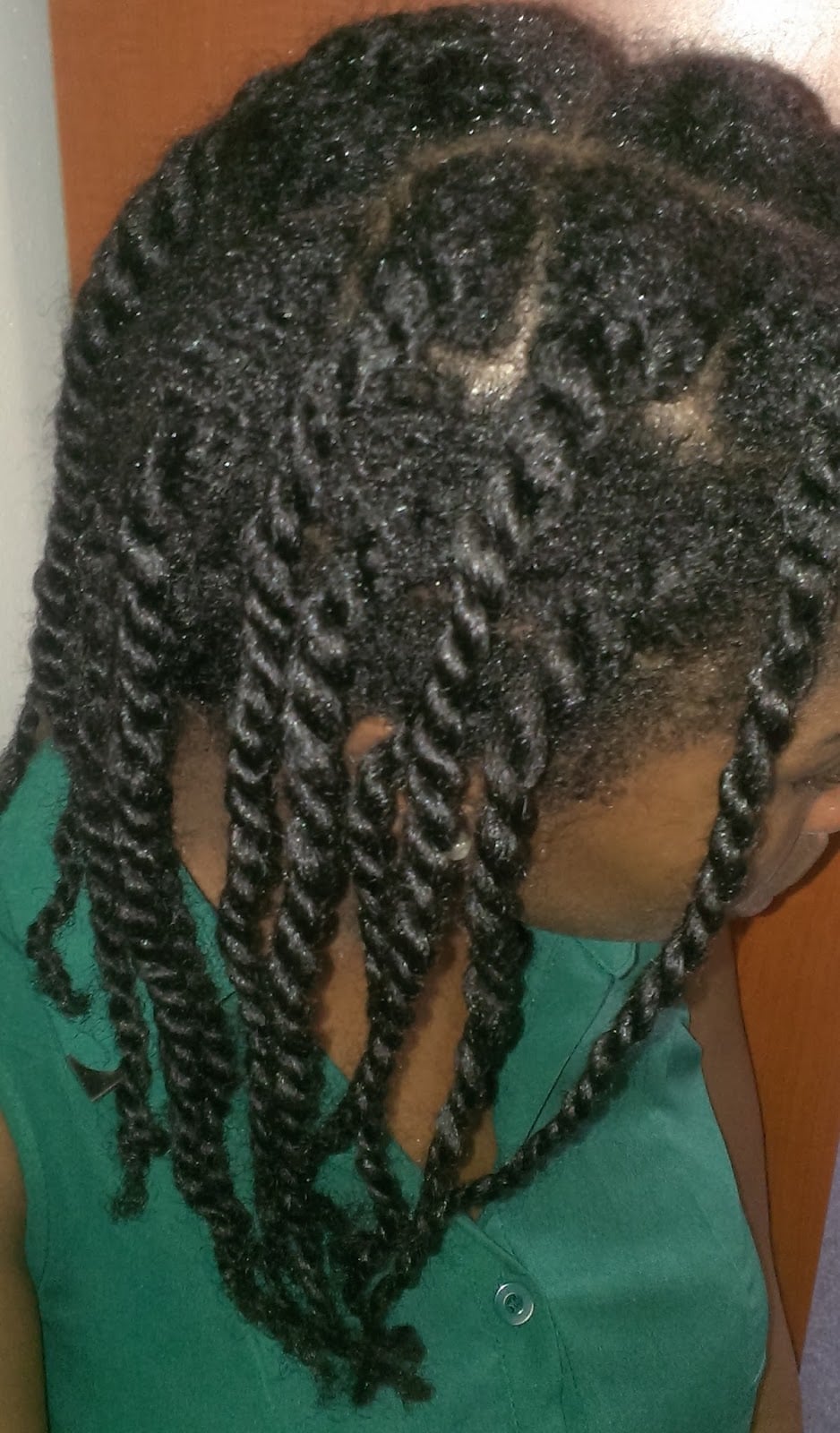
Start with clean, precise sections. Thick, coily black hair gets twisted into defined two-strand twists with a neat centered parting that runs straight from front to nape. The symmetry works for a round or oval face shape, as the center line elongates softly. A side part changes the geometry here, which needs the balance to read right. A small amount of edge control along the center part keeps the line sharp and clean for a neat finish. Expect to refresh the part and retwist edges around week three or four for the look to hold its structure.
Updo with a textured mohawk and defined parting
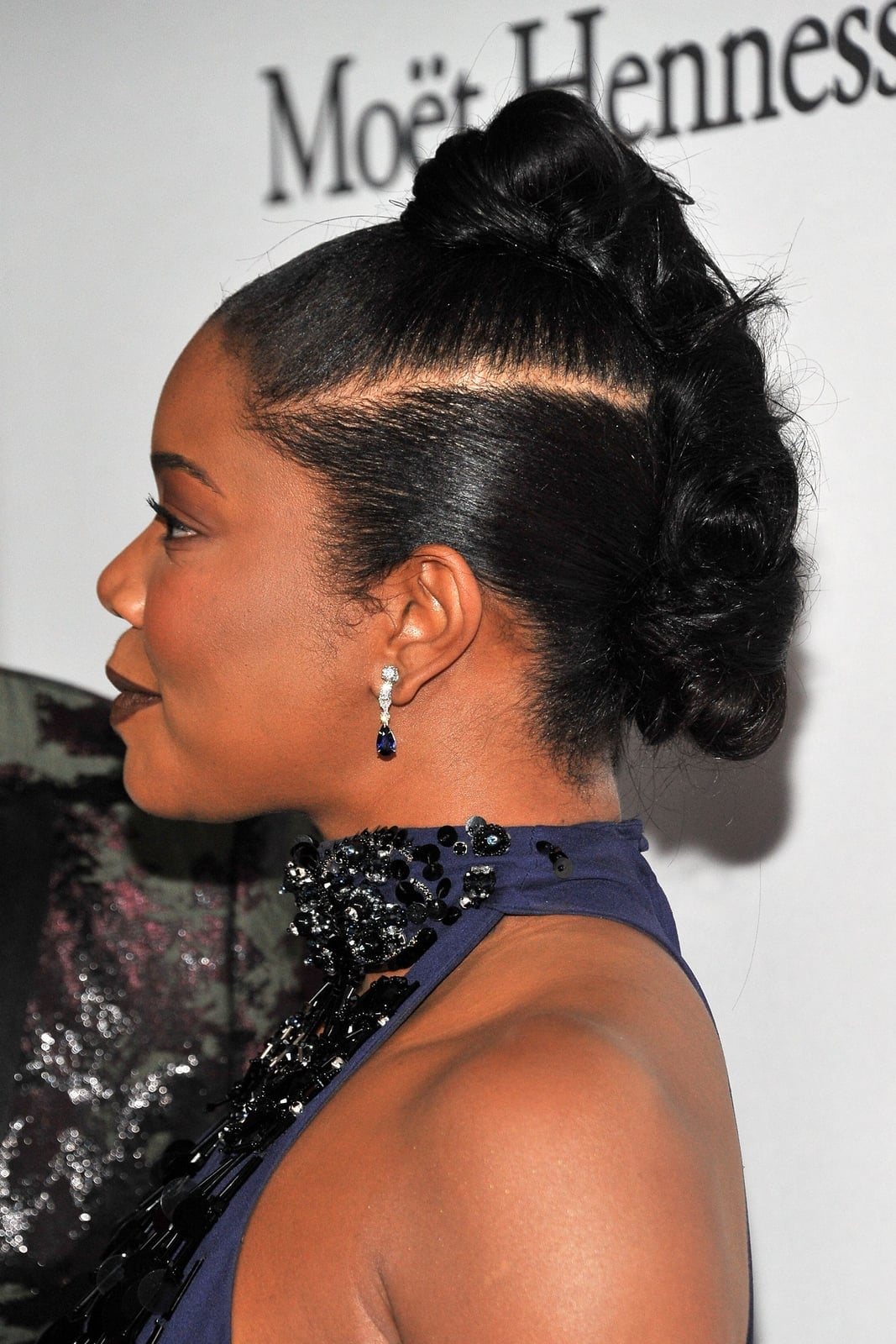
This is not a standard bun. Thick, coily black hair is gathered into a sleek bun at the crown while the front twists rise in a textured mohawk shape, all anchored by a sharp middle parting. The contrast between the smooth bun and the raised twists gives the silhouette its edge. Tell your stylist: two strand twist updo, textured mohawk, sharp middle part. The style suits those with at least collarbone length hair who want the drama without the weight of long twists hanging down. A strong hold hairspray on the mohawk section keeps the shape defined through the day.
Cornrows transitioning into collarbone length twists
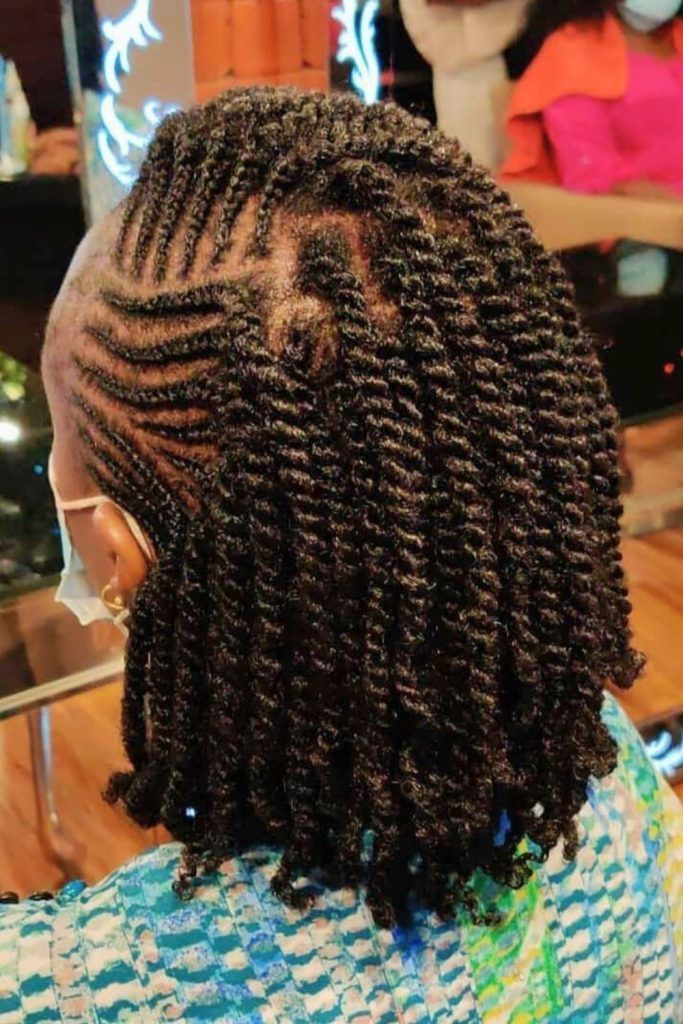
Two techniques in one style. Sleek cornrows run along the sides, then transition into voluminous two-strand twists that fall to collarbone length. The middle part keeps the symmetry clean. Compare this to a full-head twist style: the cornrows cut styling time on the sides and add a sharper edge, while the twists give movement and volume where it counts. Choose this when you want the protection of twists but a sleeker frame around the face. The cornrow texture is a different commitment. Dark brown hair holds the definition well without added color.
The upkeep splits in two directions. Keep both the cornrows and twists moisturized with a lightweight spray or oil to prevent dryness at the transition point. The cornrows will last longer than the twists, so plan a refresh around week four when the ends start to frizz.
Zig-zag parting with voluminous two strand twists
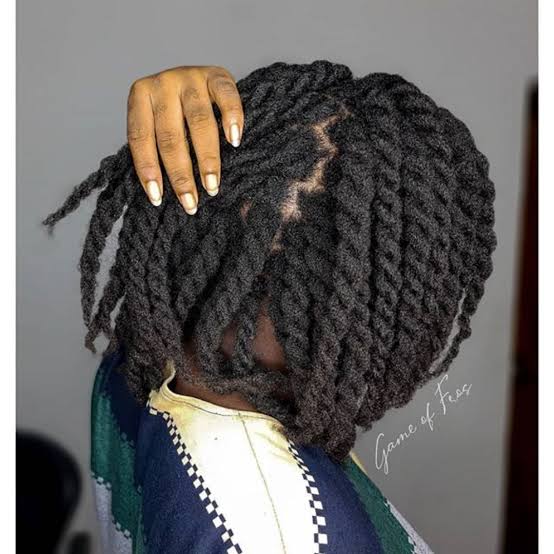
Parting rules apply here differently. Thick, coily hair is twisted into numerous two-strand twists arranged with a distinct zig-zag parting that breaks the usual straight line. The layers in the cut let the twists sit with volume rather than lying flat. This suits those who want the scalp to show without the formality of a center or side part. Pass when you prefer a standard middle or side part, the zig-zag demands a certain tolerance for asymmetry. Maintain the zig-zag pattern by carefully re-parting each section after washing, using a rat-tail comb to trace the original lines before they blur.
Curved cornrows blend with brown highlights
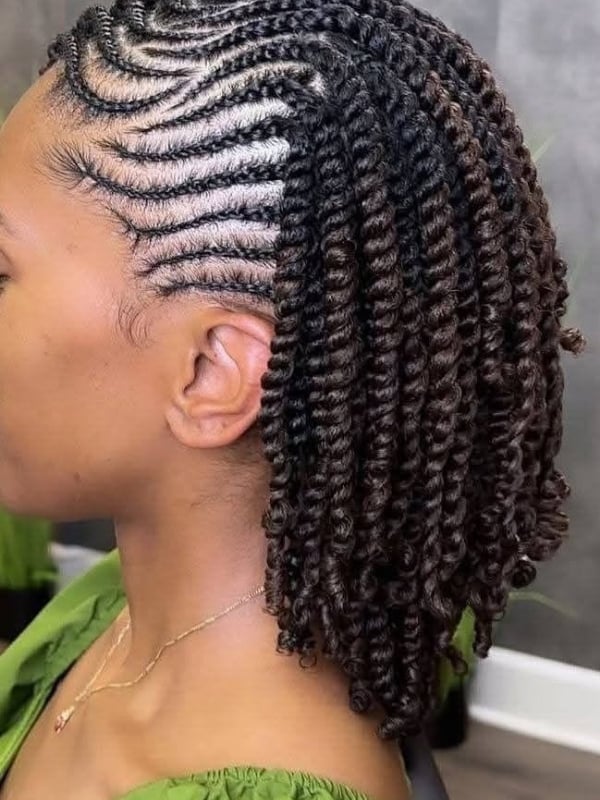
Sleek, curved cornrows transition into voluminous two-strand twists, with dark brown hair carrying subtle lighter brown highlights that catch the eye through the twists. The color placement is deliberate. Tell your colorist: subtle lighter brown highlights through the twist sections. Ask your stylist for: cornrows with two strand twists, dark brown base with lighter brown accents. The curved cornrow lines soften the overall shape, making it work for those with square or long face shapes who want width at the sides.
Use a moisturizing spray to keep both cornrows and twists hydrated and prevent breakage at the transition point. The highlights need a toning shampoo every three to four weeks to stay warm without turning brassy.
Geometric parting with layered two strand twists
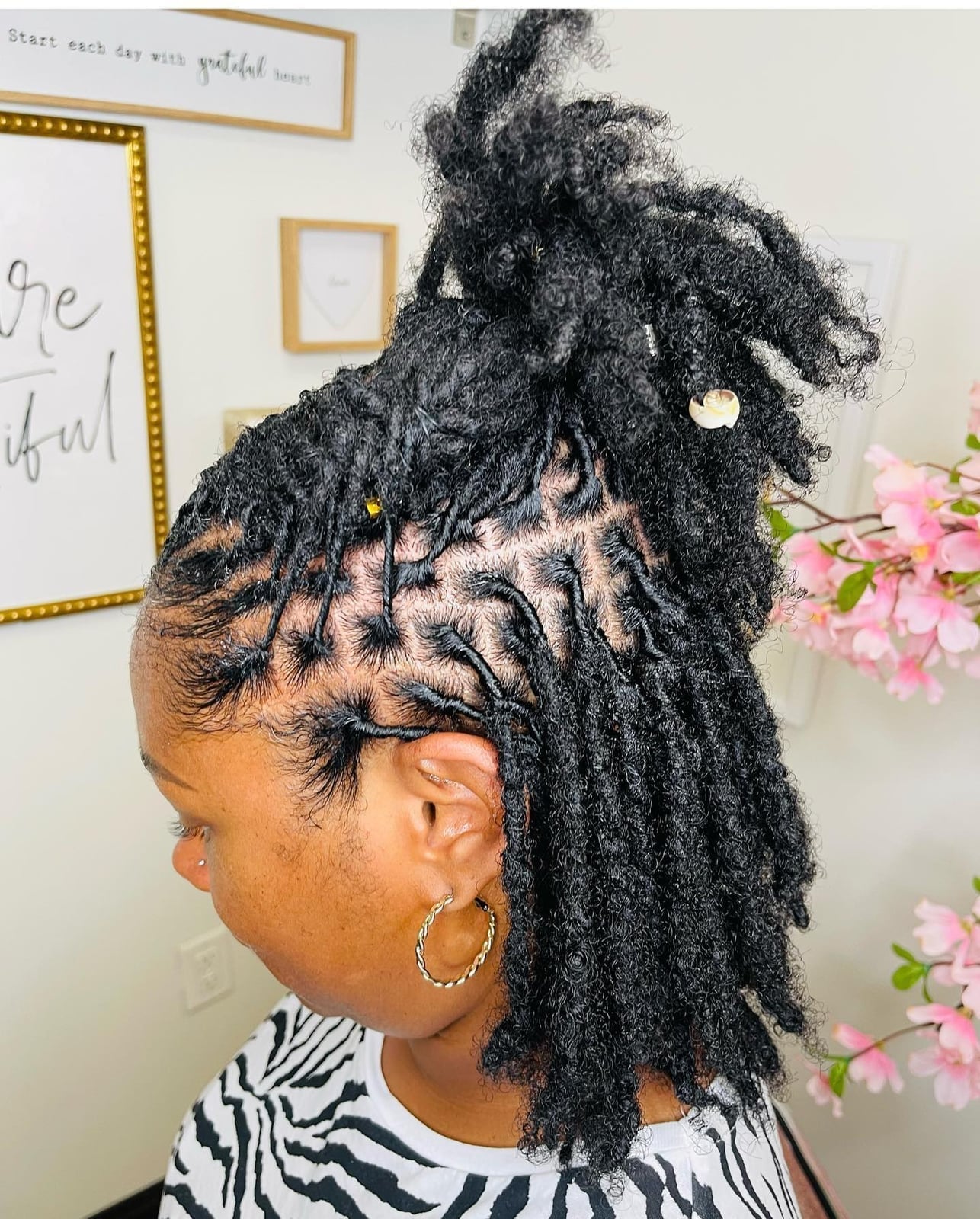
Geometric partings demand clean sections. Thick, coily black hair in two-strand twists gets a precise middle part, with some twists pulled into a high ponytail for a layered effect. You need at least collarbone length hair for the ponytail to sit well. Pass when a simple, quick parting sounds better. Secure the ponytail firmly so the remaining twists hold their layered shape. The geometric part twists layers look stays sharp for a week before edges soften.
Subtle silver streaks add dimension
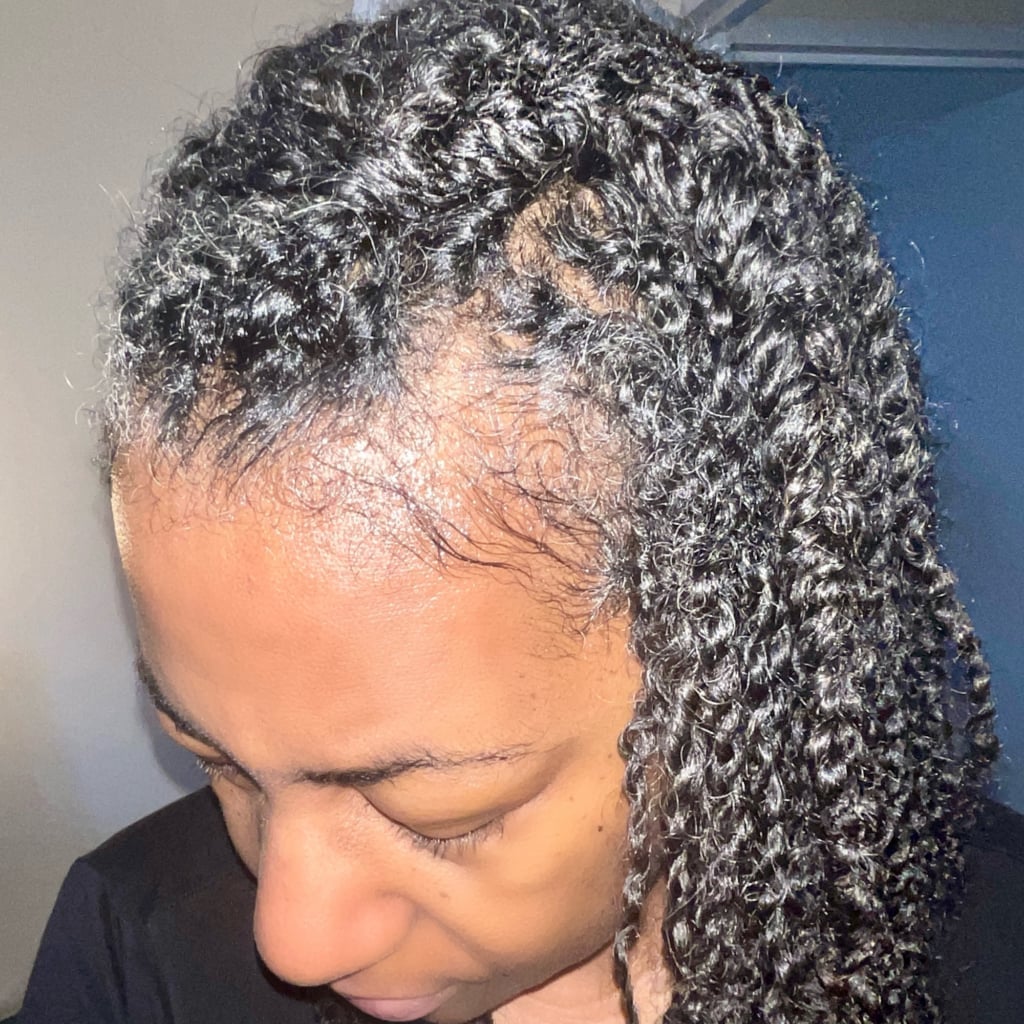
Silver streaks on a black base look intentional, not accidental. Thick, curly hair in defined two-strand twists uses silver streaks placed through the lengths for a dimensional, edgy finish. A side view shows the contrast clearly. Skip it if natural hair colors are the goal. A shine serum keeps the twists glossy and the silver streaks visible. The two strand twists silver streaks design works because the base is dark enough to make the silver pop.
Gray streaks accent dark brown twists
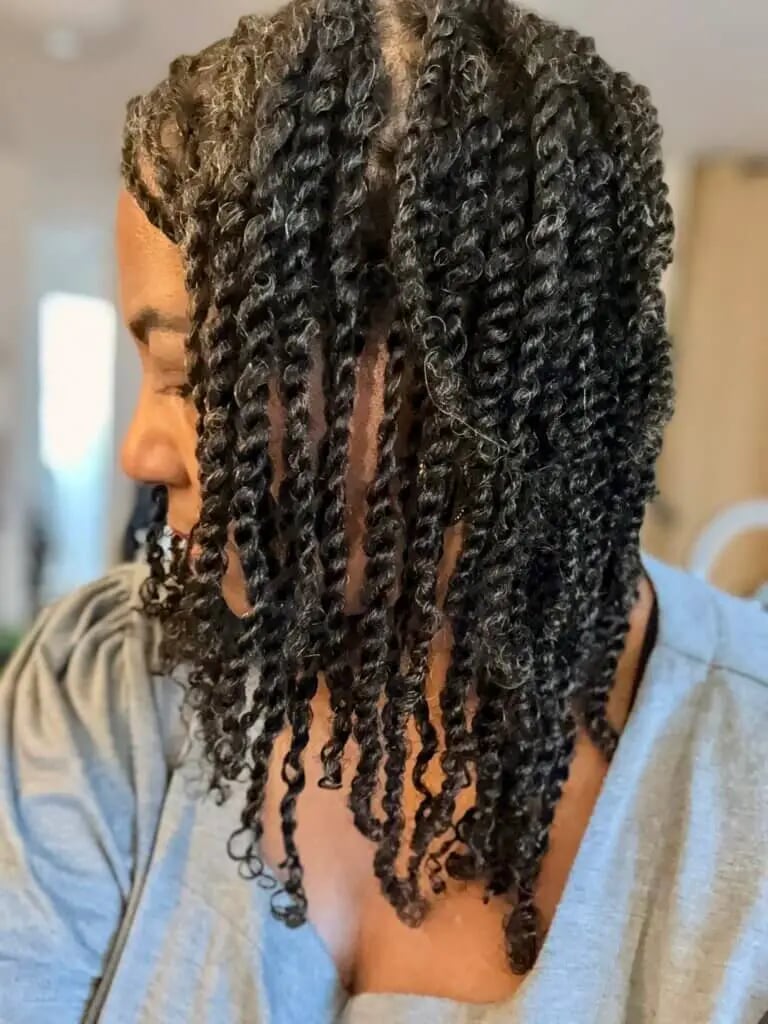
Twisting gray streaks into a dark brown base requires even sectioning. Thick, coily hair in neat two-strand twists uses the gray streaks as subtle accents, not full color. A middle part keeps the distribution balanced. Re-twist sections every four to six weeks to maintain definition and keep the gray streaks placed correctly. The dark brown twists gray streaks look is neat because the base and accent share the same tone family.
Geometric cornrow pattern with short twists
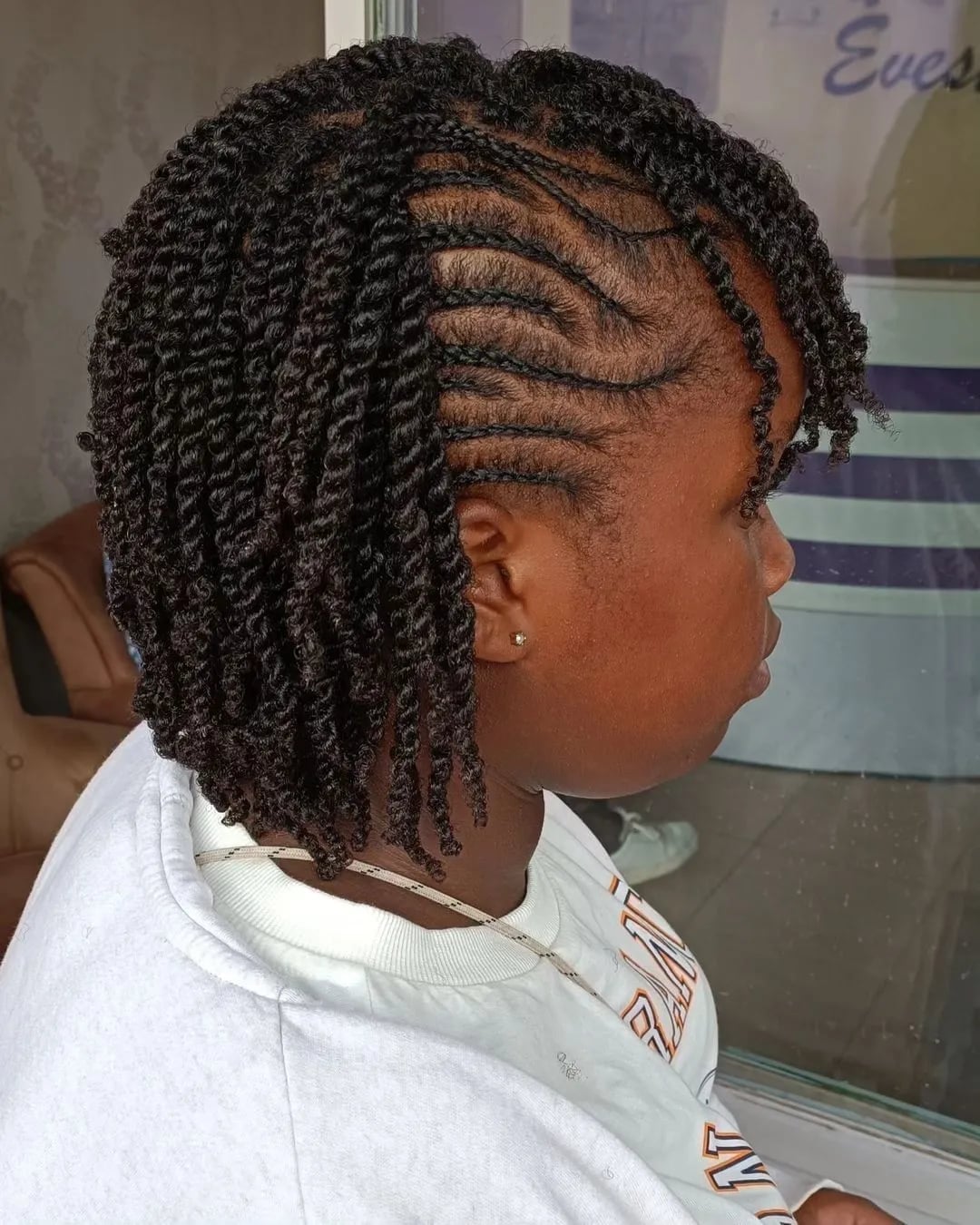
Cornrows into twists on short hair is a salon skill, not a bathroom mirror project. Thick, coily hair in short two-strand twists uses geometric cornrows on the sides that blend into the twists. A side part leads the eye through the pattern. Skip it when you want longer twists for more styling options. The combo takes about three hours in the chair. The short twists geometric cornrows style is protective and low-fuss for the next two weeks.
Final Thoughts
Pick the twist set that matches your morning routine and your weekend plans.
- Fine hair: keep twists small and add a mousse for grip.
- Ten minutes in the morning: choose a bun or half-up style.
- Long-term wear: book a re-twist every four to six weeks.
- Cool base that pulls brassy: add silver streaks or an auburn tone.
Find the two-strand twist that fits your life and hair.